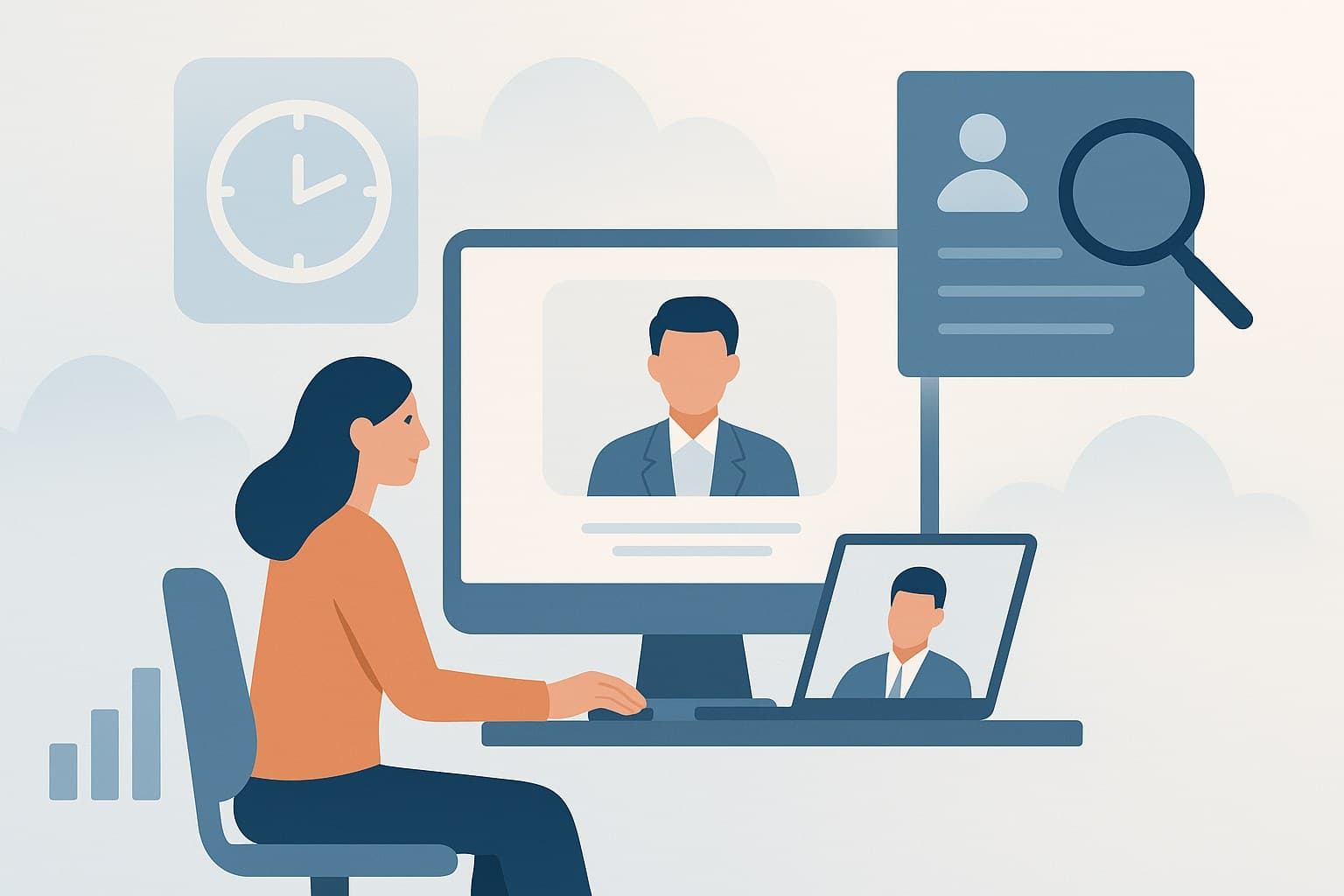
AI Interviews for Hybrid Workforce: The Future of Job Interviews
The Rise of AI in Job Interviews
AI interviews, also known as digital interviews, are quickly becoming the new norm in the hiring process. These interviews use artificial intelligence technology to evaluate and screen potential candidates before they even meet with a human interviewer. This technology can analyze verbal and non-verbal cues, facial expressions, tone of voice, and even word choice to assess a candidate's skills, personality, and suitability for a specific role. This not only saves time for the hiring team but also eliminates human biases that may occur during traditional face-to-face interviews.
The Benefits of AI Interviews for the Hybrid Workforce
The hybrid workforce, where employees split their time between working from home and in the office, has become increasingly popular in the wake of the COVID-19 pandemic. As companies continue to adapt to this new way of working, AI interviews can play a crucial role in finding the right candidates for this type of workforce. Here are some key benefits of AI interviews for the hybrid workforce:
Efficient Screening Process
As mentioned earlier, AI interviews can assess a large number of candidates in a short amount of time. This is especially beneficial for companies with a high volume of applicants. With AI, companies can quickly filter out candidates who may not be a good fit for the role, allowing them to focus on the most qualified candidates.
Unbiased Hiring Process
Human biases can often cloud the judgment of recruiters and hiring managers, leading to unfair hiring decisions. With AI-driven interviews, the process is entirely objective, as the technology is not influenced by factors such as race, gender, or age. This ensures a fair and equal opportunity for all candidates, promoting diversity and inclusion in the workplace.
Improved Candidate Experience
The traditional hiring process can be lengthy and tedious for candidates, with multiple rounds of interviews and assessments. With AI interviews, candidates can complete the initial screening process at their convenience, without having to take time off work or travel for an interview. This improves the overall candidate experience and reflects positively on the company's employer brand.
The Challenges of AI Interviews for the Hybrid Workforce
While AI interviews offer many benefits, there are also some challenges that companies need to be aware of before implementing this technology in their hiring process.
Lack of Human Interaction
One of the main criticisms of AI interviews is the lack of human interaction. While the technology can assess a candidate's skills and qualifications, it may not be able to gauge their personality, cultural fit, and communication skills accurately. This can be a disadvantage for companies looking for candidates who can collaborate and work well with others in a hybrid work environment.
Potential for Technical Glitches
Like any technology, AI is not immune to technical glitches. In some cases, candidates may experience issues with the platform used for the interview, leading to an unfair assessment. This can be frustrating for both the candidate and the hiring team, potentially causing delays in the hiring process.
Cost and Training
Implementing AI interviews in the hiring process can be costly, especially for small and medium-sized companies. Moreover, the technology requires proper training and monitoring to ensure accurate results. This can be a challenge for companies with limited resources or expertise in this area.
The Future of AI Interviews for the Hybrid Workforce
Despite the challenges, AI interviews are here to stay, with more and more companies adopting this technology in their hiring process. As AI continues to evolve and improve, we can expect to see more sophisticated tools that can accurately assess a candidate's soft skills, such as communication, problem-solving, and emotional intelligence. This will be particularly beneficial for companies looking for candidates who can excel in a hybrid work environment.
Conclusion: Embracing AI for a Better Hiring Process
AI interviews have revolutionized the hiring process, offering a more efficient, unbiased, and cost-effective way to find the best candidates for the hybrid workforce. While there are some challenges to overcome, the benefits far outweigh them, making AI interviews a valuable tool for companies of all sizes. As we continue to navigate the ever-changing job market, it's essential to embrace technology and use it to our advantage to build a strong and diverse workforce.
Frequently Asked Questions
Key questions often raised by business leaders and HR teams:
What are AI interviews?
AI interviews use artificial intelligence to evaluate candidates through digital assessments, analyzing verbal and non-verbal cues.
What are the benefits of using AI in hiring?
AI interviews streamline the screening process, reduce biases, and enhance the candidate experience by allowing remote assessments.
What challenges do AI interviews present?
Challenges include lack of human interaction, potential technical glitches, and costs associated with implementation.
How can AI improve the hiring process?
AI can help identify top candidates quickly and objectively, making the hiring process more efficient and fair.
Will AI replace human interviewers?
While AI can assist in screening, human interviewers are still essential for assessing cultural fit and interpersonal skills.