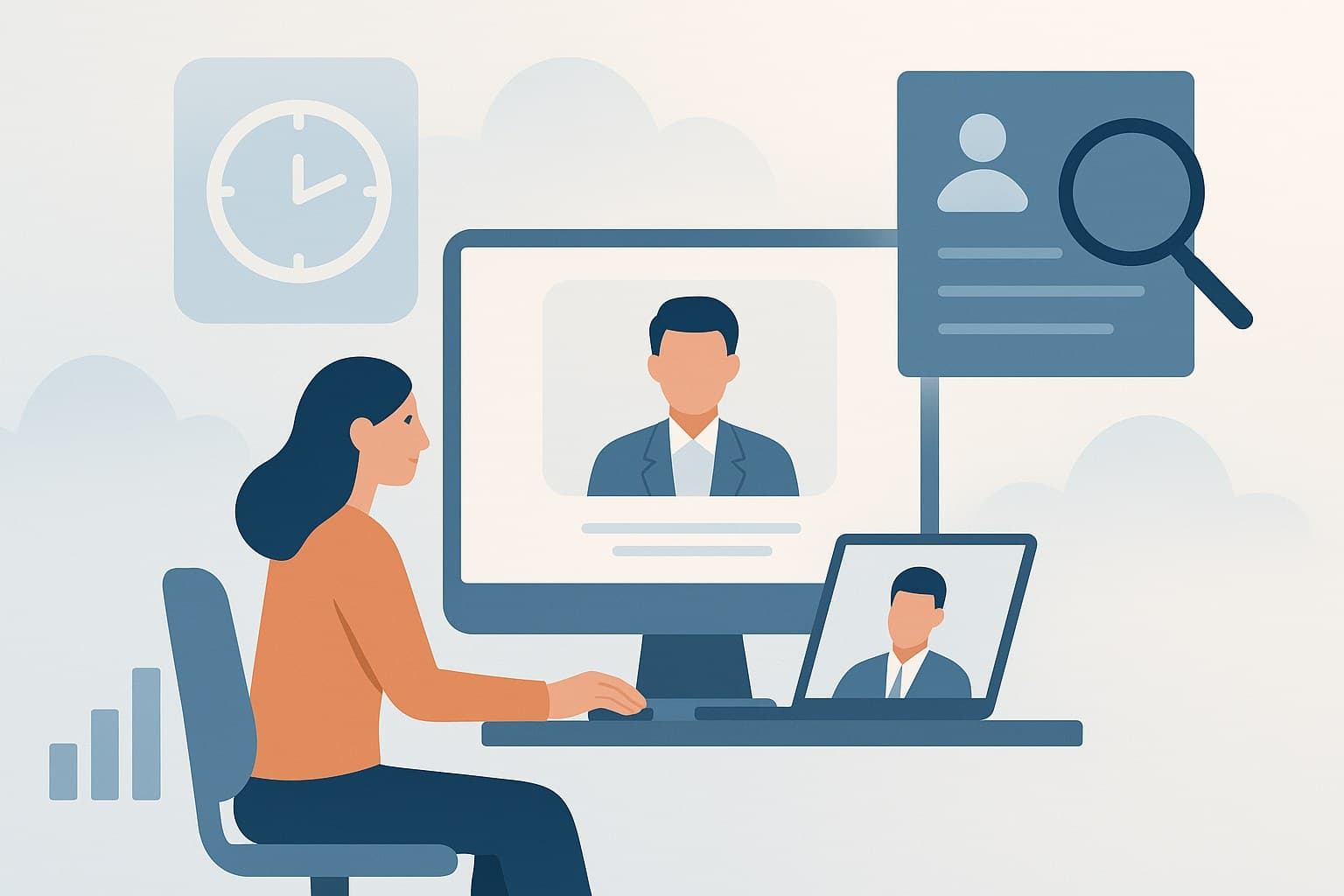
Title: Leveraging AI Interviews for Non-Cognitive Skills Assessment in Graduate Admissions: A Strategic Advantage for Businesses
In the ever-evolving landscape of higher education and professional development, businesses and HR leaders are continually seeking innovative ways to identify and nurture talent. Graduate admissions, a critical juncture in shaping future leaders, have traditionally focused on cognitive skills as evidenced by standardized test scores and academic records. However, as the business world becomes more complex and interdisciplinary, non-cognitive skills—such as emotional intelligence, adaptability, and communication—are emerging as equally, if not more, important in predicting a candidate’s success. This article explores the potential of AI-driven interviews as a tool for assessing non-cognitive skills in graduate admissions, offering strategic insights for corporate decision-makers and HR leaders.
The Rise of Non-Cognitive Skills in the Workplace
Non-cognitive skills, often referred to as soft skills, encompass a range of abilities that facilitate interpersonal interactions and personal management. These skills include resilience, leadership, teamwork, and cultural competence. In modern workplaces, where collaboration and innovation are key, these attributes are invaluable. Research consistently shows that employees with strong non-cognitive skills tend to perform better in team settings, adapt more readily to change, and contribute positively to organizational culture.
For businesses, the implications are clear: hiring individuals with robust non-cognitive skills can lead to improved team dynamics, enhanced problem-solving capabilities, and greater overall productivity. Consequently, there is a growing interest in how these skills can be reliably assessed during the selection process.
The Role of AI in Transforming Graduate Admissions
AI technology is revolutionizing various sectors by offering new ways to analyze and interpret complex data. In the context of graduate admissions, AI-driven interviews present a promising method for evaluating non-cognitive skills. These interviews utilize sophisticated algorithms to assess candidates’ responses to interview questions, analyzing verbal and non-verbal cues to gauge attributes like empathy, communication style, and adaptability.
AI interviews offer several advantages over traditional assessment methods:
-
Scalability and Efficiency: AI systems can process and evaluate a large number of candidates simultaneously, reducing the time and resources needed for admissions committees.
-
Objectivity: By removing human biases, AI can offer a more objective assessment of candidates, focusing purely on the data presented.
-
Consistency: AI ensures that every candidate is assessed using the same criteria and processes, providing a level playing field for all applicants.
-
Insights Beyond the Surface: AI algorithms can detect subtleties in tone, word choice, and facial expressions that might be overlooked by human interviewers, providing a deeper understanding of a candidate’s capabilities.
Implications for Business Decision-Makers and HR Leaders
Integrating AI interviews into the graduate admissions process has significant implications for businesses seeking to align their hiring practices with future workforce needs. Here are several strategic considerations:
-
Identifying High-Potential Candidates: By focusing on non-cognitive skills, businesses can identify candidates with the potential to become effective leaders and collaborators. This aligns recruitment efforts with long-term business goals, ensuring that the talent pipeline is filled with individuals who can thrive in dynamic environments.
-
Enhancing Diversity and Inclusion: AI-driven assessments can help mitigate unconscious bias, promoting a more diverse and inclusive selection process. This is particularly important as diversity within teams has been shown to drive innovation and business success.
-
Aligning Educational Outcomes with Industry Needs: By partnering with educational institutions that utilize AI in admissions, businesses can play a role in shaping curricula that emphasize relevant skills. This collaboration ensures that graduates are better prepared to meet the demands of the modern workplace.
-
Adapting to Technological Advancements: As AI technology continues to evolve, businesses that embrace these advancements will position themselves as forward-thinking leaders in talent management. Staying ahead of technological trends is crucial for maintaining a competitive edge in recruitment and retention.
Challenges and Considerations
While the potential benefits of AI interviews are significant, there are challenges and ethical considerations that must be addressed:
-
Data Privacy: Ensuring the privacy and security of candidate data is paramount. Businesses must work with educational institutions to establish stringent data protection protocols.
-
Algorithmic Bias: Although AI interviews aim to reduce human bias, there is a risk of algorithmic bias if the training data is not representative. Continuous monitoring and adjustment of AI systems are necessary to ensure fairness.
-
Candidate Experience: The introduction of AI in interviews must be communicated clearly to candidates, emphasizing the value and purpose of this approach. Transparency is key to maintaining trust and engagement.
Conclusion
As businesses and HR leaders look to the future, the integration of AI interviews for non-cognitive skills assessment in graduate admissions presents a strategic opportunity. By embracing this innovative approach, companies can enhance their talent acquisition processes, align educational outcomes with industry needs, and foster a more diverse and adaptable workforce. Ultimately, leveraging AI in this context not only supports business objectives but also contributes to the broader goal of developing well-rounded, capable leaders for tomorrow’s challenges.
Frequently Asked Questions
Key questions often raised by business leaders and HR teams:
What are non-cognitive skills?
Non-cognitive skills, often known as soft skills, include abilities like emotional intelligence, adaptability, and communication that are essential for workplace success.
How can AI interviews improve the admissions process?
AI interviews offer scalability, objectivity, and consistency, allowing admissions committees to evaluate a larger pool of candidates fairly and efficiently.
What are the ethical considerations of using AI in interviews?
Key considerations include data privacy, the risk of algorithmic bias, and ensuring a positive candidate experience through clear communication.
Why are non-cognitive skills important for businesses?
Employees with strong non-cognitive skills tend to excel in teamwork, adapt to change, and contribute positively to organizational culture, enhancing overall productivity.