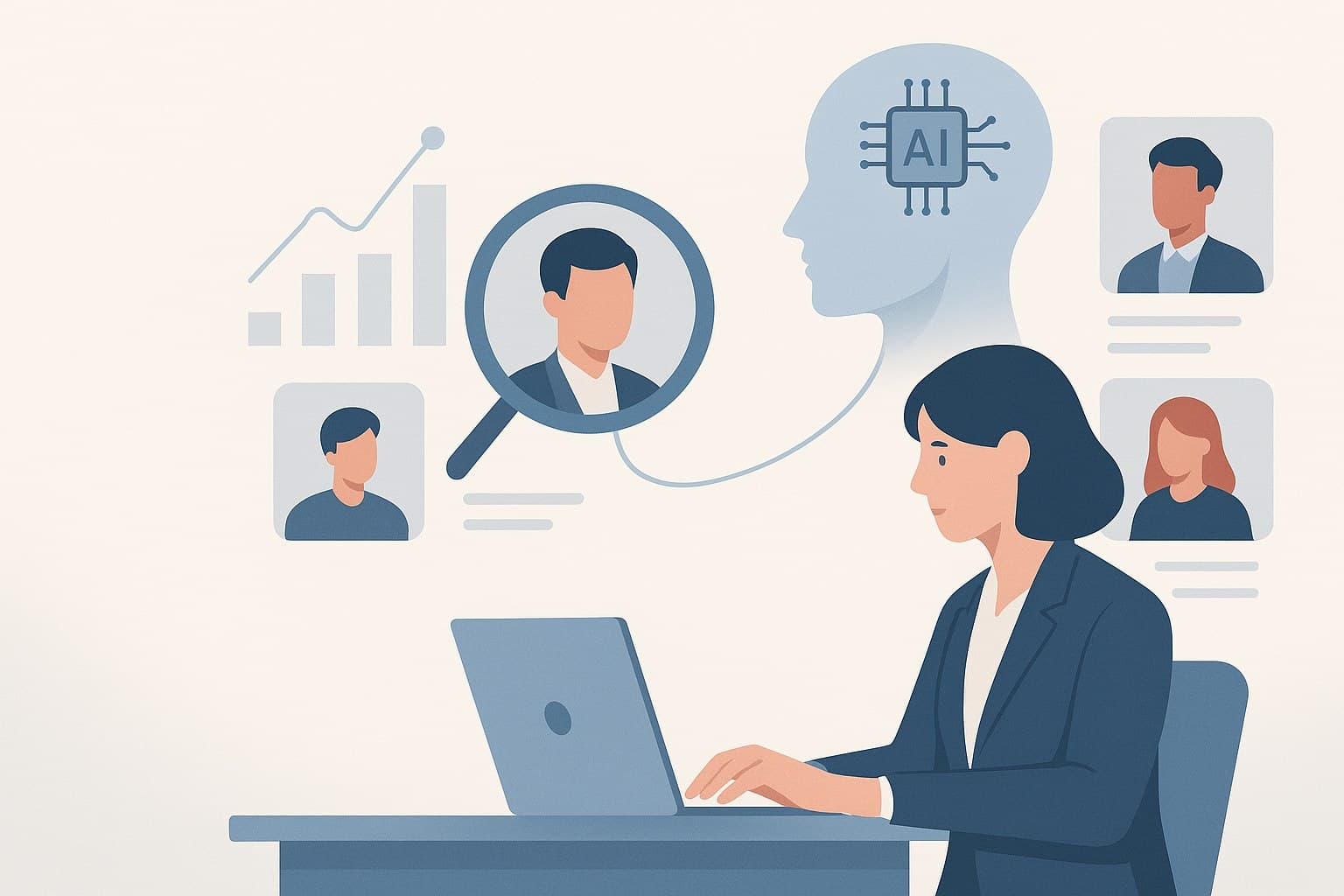
Navigating AI-Driven Interviews in Unionized Workplaces: A Guide for Business Leaders and HR Managers
In the rapidly evolving landscape of human resources, artificial intelligence (AI) has emerged as a powerful tool for enhancing recruitment processes. AI-driven interviews are at the forefront of this transformation, promising efficiency and objectivity. However, for businesses operating within unionized environments, the integration of AI in recruitment poses unique challenges and opportunities. This article aims to provide a comprehensive guide for business leaders and HR managers on how to effectively implement AI interview technologies in unionized workplaces while ensuring compliance and maintaining harmonious labor relations.
Understanding AI-Driven Interviews
AI-driven interviews typically involve automated systems that assess candidates through video interviews, analyze their responses, and provide insights into their suitability for a role. These systems leverage natural language processing, facial recognition, and machine learning algorithms to evaluate various aspects such as verbal communication, emotional intelligence, and even cultural fit. The primary advantage of AI interviews is their ability to process large volumes of candidates swiftly and impartially, minimizing human biases that can inadvertently influence hiring decisions.
The Unique Challenges of Unionized Workplaces
Unionized workplaces are governed by collective bargaining agreements (CBAs) and labor laws that safeguard workers' rights, including hiring practices. Introducing AI into the recruitment process can raise several concerns:
-
Transparency and Fairness: Unions may question the fairness and transparency of AI-driven interviews. There is a risk that AI systems could inadvertently perpetuate biases if not properly designed and monitored. Ensuring that AI systems are transparent and explainable is crucial to gain the trust of both employees and unions.
-
Data Privacy and Security: AI interviews involve the collection and processing of personal data, raising concerns about data privacy and security. Union representatives will likely scrutinize how candidate data is stored, used, and protected.
-
Impact on Employment Terms: The introduction of AI could be perceived as altering employment terms, which are usually subject to negotiation with unions. Any changes to the hiring process necessitated by AI must be carefully managed to avoid violating CBAs.
Strategies for Successful Integration
To effectively integrate AI-driven interviews in unionized workplaces, HR leaders and business decision-makers should adopt the following strategies:
-
Engage in Open Dialogue with Unions: Early and transparent communication with union representatives is essential. Discuss the potential benefits of AI-driven interviews, such as increased efficiency and reduced bias, while addressing any concerns. Involving unions in the selection and implementation process can foster cooperation and trust.
-
Ensure AI System Fairness and Transparency: Work with AI vendors to ensure that the systems are designed to be fair and unbiased. Regular audits and validations should be conducted to verify that AI tools comply with non-discrimination laws. Providing unions with access to AI system explanations and audit results can further demonstrate commitment to transparency.
-
Prioritize Data Privacy and Security: Implement robust data protection measures that comply with applicable privacy laws such as GDPR or CCPA. Clearly define data usage policies and limit access to sensitive information. Providing unions with assurances about data security can alleviate privacy concerns.
-
Align AI Implementation with CBAs: Review existing CBAs to identify any clauses related to hiring practices that may be affected by AI integration. If necessary, negotiate amendments with unions to accommodate AI-driven processes, ensuring that they remain compliant with agreed terms.
-
Provide Training and Support: Offer training sessions for HR staff and union representatives to understand AI systems' functionality and benefits. This can help mitigate resistance and foster a collaborative approach to AI integration.
-
Monitor and Adjust: After implementing AI-driven interviews, continuously monitor their impact on the hiring process. Gather feedback from candidates, HR personnel, and union representatives to identify areas for improvement. Being open to adjustments based on feedback demonstrates a commitment to fairness and continuous improvement.
Benefits of AI Interviews in Unionized Settings
When implemented thoughtfully, AI-driven interviews can offer several benefits to unionized workplaces:
- Enhanced Objectivity: By minimizing human biases, AI can lead to fairer hiring outcomes, which aligns with the interests of both employers and unions.
- Increased Efficiency: Automating parts of the interview process allows HR teams to focus on strategic tasks, ensuring that recruitment resources are used effectively.
- Improved Candidate Experience: AI-driven interviews can streamline the application process, providing candidates with timely feedback and reducing the time to hire.
Conclusion
The integration of AI-driven interviews in unionized workplaces requires careful consideration and strategic planning. By engaging unions in an open dialogue, ensuring AI system fairness and transparency, prioritizing data privacy, aligning with CBAs, and providing training and support, business leaders and HR managers can successfully navigate the challenges and harness the benefits of AI in recruitment. Ultimately, a collaborative approach will pave the way for a more efficient, fair, and future-ready workforce.
Frequently Asked Questions
Key questions often raised by business leaders and HR teams:
What are AI-driven interviews?
AI-driven interviews use automated systems to assess candidates through video interviews and analyze their responses for suitability.
How can AI impact unionized workplaces?
AI can raise concerns about fairness, transparency, and data privacy, requiring careful management to align with collective bargaining agreements.
What strategies can help integrate AI in unionized settings?
Engaging in open dialogue with unions, ensuring AI system fairness, and prioritizing data privacy are key strategies for successful integration.
What are the benefits of using AI in recruitment?
AI can enhance objectivity, increase efficiency, and improve the candidate experience by streamlining the hiring process.
How can HR managers ensure compliance with labor laws when using AI?
HR managers should review collective bargaining agreements and involve unions in the AI implementation process to ensure compliance.