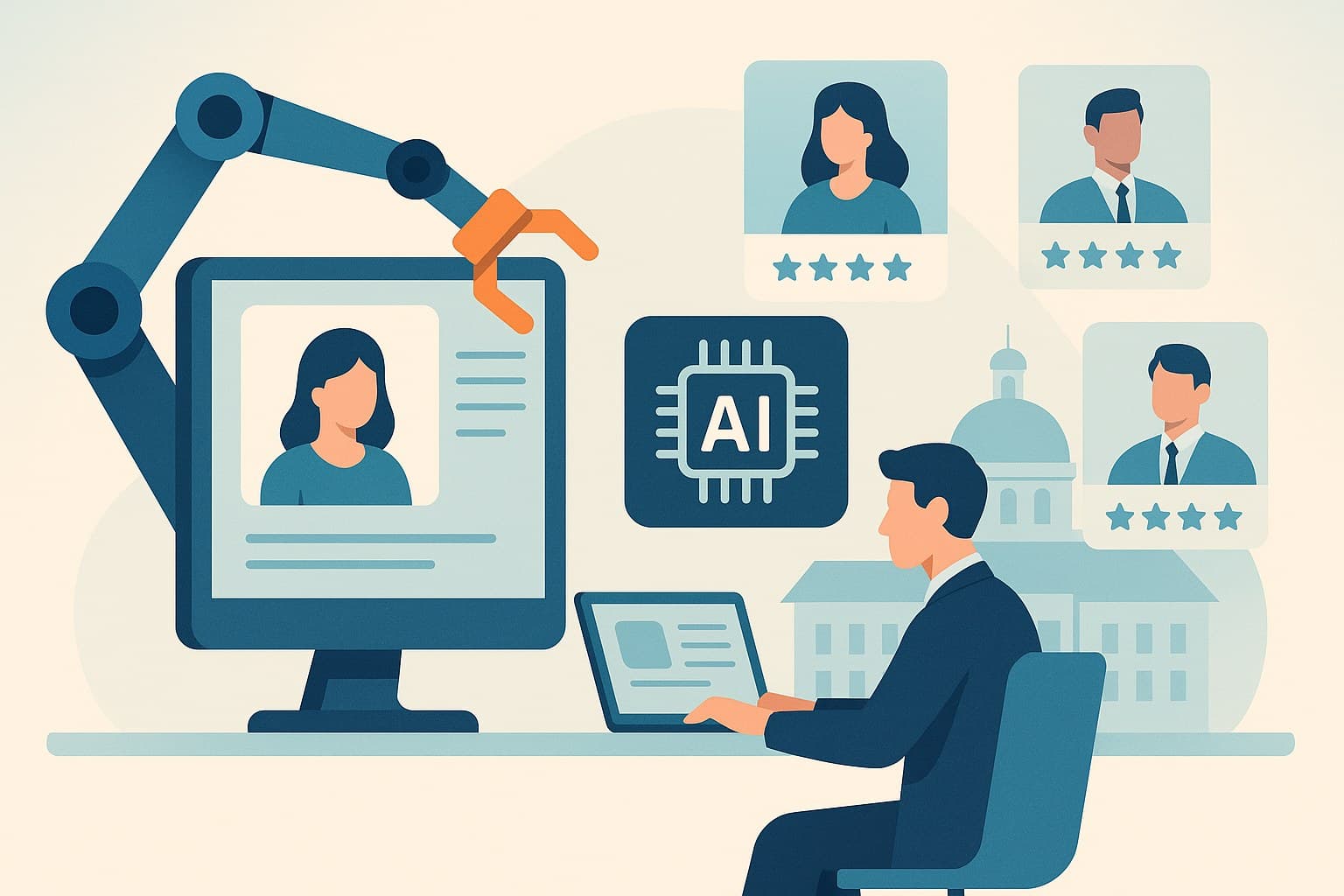
Leveraging AI for Job Description Parsing: A Strategic Guide for Business Leaders and HR Executives
In the rapidly evolving digital landscape, the integration of artificial intelligence (AI) into human resources processes has become indispensable for organizations aiming to maintain a competitive edge. One of the most impactful applications of AI in HR is job description parsing. This technology not only streamlines recruitment but also enhances the precision and efficiency of hiring processes. As a business leader or HR executive, understanding and implementing AI-driven job description parsing can significantly transform your recruitment strategy.
Understanding AI Job Description Parsing
AI job description parsing refers to the use of machine learning algorithms and natural language processing (NLP) to analyze and interpret job descriptions. This technology breaks down the text of job postings to extract critical information such as required skills, qualifications, job responsibilities, and other relevant data. By automating this process, AI parsing eliminates the manual effort traditionally associated with reading and interpreting job descriptions.
The Strategic Advantage of AI Parsing
-
Enhanced Recruitment Efficiency: AI parsing accelerates the recruitment process by quickly identifying key attributes within a job description. This allows recruiters to focus their efforts on evaluating candidates rather than spending time manually sifting through job requirements.
-
Improved Candidate Matching: By accurately parsing job descriptions, AI systems can better match candidates' resumes with job requirements. This leads to higher quality shortlists and increased likelihood of successful hires, as candidates are more likely to meet the specified criteria.
-
Consistency and Reduced Bias: AI parsing ensures a standardized approach to interpreting job descriptions, which helps in maintaining consistency across the recruitment process. This reduces the likelihood of human bias creeping into the initial stages of candidate evaluation.
-
Data-Driven Insights: The data collected through AI parsing can provide valuable insights into hiring trends, skills demand, and market salary benchmarks. HR professionals can leverage this information to make informed strategic decisions regarding talent acquisition and workforce planning.
Implementing AI Job Description Parsing
To effectively integrate AI parsing into your HR processes, consider the following steps:
-
Select the Right Technology Partner: Choose a technology provider with a proven track record in AI and NLP solutions. Ensure that their parsing tool is adaptable to your organization's specific needs and can seamlessly integrate with existing HR systems.
-
Define Clear Objectives: Clearly outline the goals you aim to achieve with AI parsing. Whether it is to reduce time-to-hire, improve candidate quality, or enhance diversity, having defined objectives will guide the implementation process.
-
Customize Parsing Parameters: Work with your technology partner to customize the parsing parameters according to your organization's unique job descriptions and industry requirements. This will ensure that the AI system accurately captures the nuances of your job postings.
-
Train Your HR Team: Provide training to your HR team on how to effectively use the AI parsing tool. Familiarize them with the system's features and capabilities to maximize its potential benefits.
-
Monitor and Evaluate Performance: Continuously monitor the performance of the AI parsing system and evaluate its impact on your recruitment metrics. Use this data to make necessary adjustments and improvements to the process.
Challenges and Considerations
While AI job description parsing offers numerous benefits, it is essential to be aware of potential challenges. These may include:
-
Data Privacy Concerns: Ensure that the AI system complies with data protection regulations and that sensitive information is handled securely.
-
Integration with Legacy Systems: Integrating new AI tools with existing HR systems can be complex. Ensure that your technology partner provides robust support for seamless integration.
-
Adapting to Language Nuances: Job descriptions can vary significantly in language and style. AI parsing systems must be capable of adapting to these variations to maintain accuracy.
The Future of AI in Recruitment
As AI technology continues to advance, its role in recruitment will expand beyond job description parsing. Future developments may include AI-driven candidate assessments, predictive analytics for workforce planning, and enhanced candidate engagement through chatbots and virtual assistants.
For business leaders and HR executives, staying ahead of these trends is crucial. By embracing AI job description parsing today, organizations can not only enhance their recruitment processes but also lay the groundwork for future innovations in talent acquisition.
Conclusion
AI job description parsing represents a pivotal shift in how organizations approach recruitment. By automating the parsing of job descriptions, companies can achieve greater efficiency, accuracy, and consistency in their hiring processes. For decision-makers in the business and HR sectors, adopting this technology is not just an option but a strategic imperative. By investing in AI-driven solutions, organizations can build a more agile, data-driven, and competitive workforce ready to meet the challenges of tomorrow.
Frequently Asked Questions
Key questions often raised by business leaders and HR teams:
What is AI job description parsing?
AI job description parsing uses machine learning and natural language processing to analyze job descriptions, extracting essential information to streamline recruitment.
How does AI parsing improve recruitment efficiency?
AI parsing quickly identifies key attributes in job descriptions, allowing recruiters to focus on evaluating candidates rather than manually sifting through requirements.
What challenges might arise when implementing AI parsing?
Challenges include data privacy concerns, integration with legacy systems, and adapting to the nuances of different job descriptions.
Why is it important to train HR teams on AI tools?
Training ensures that HR teams can effectively utilize AI parsing tools, maximizing their benefits and improving overall recruitment processes.
What future developments can we expect in AI recruitment?
Future advancements may include AI-driven candidate assessments, predictive analytics, and enhanced candidate engagement through chatbots.