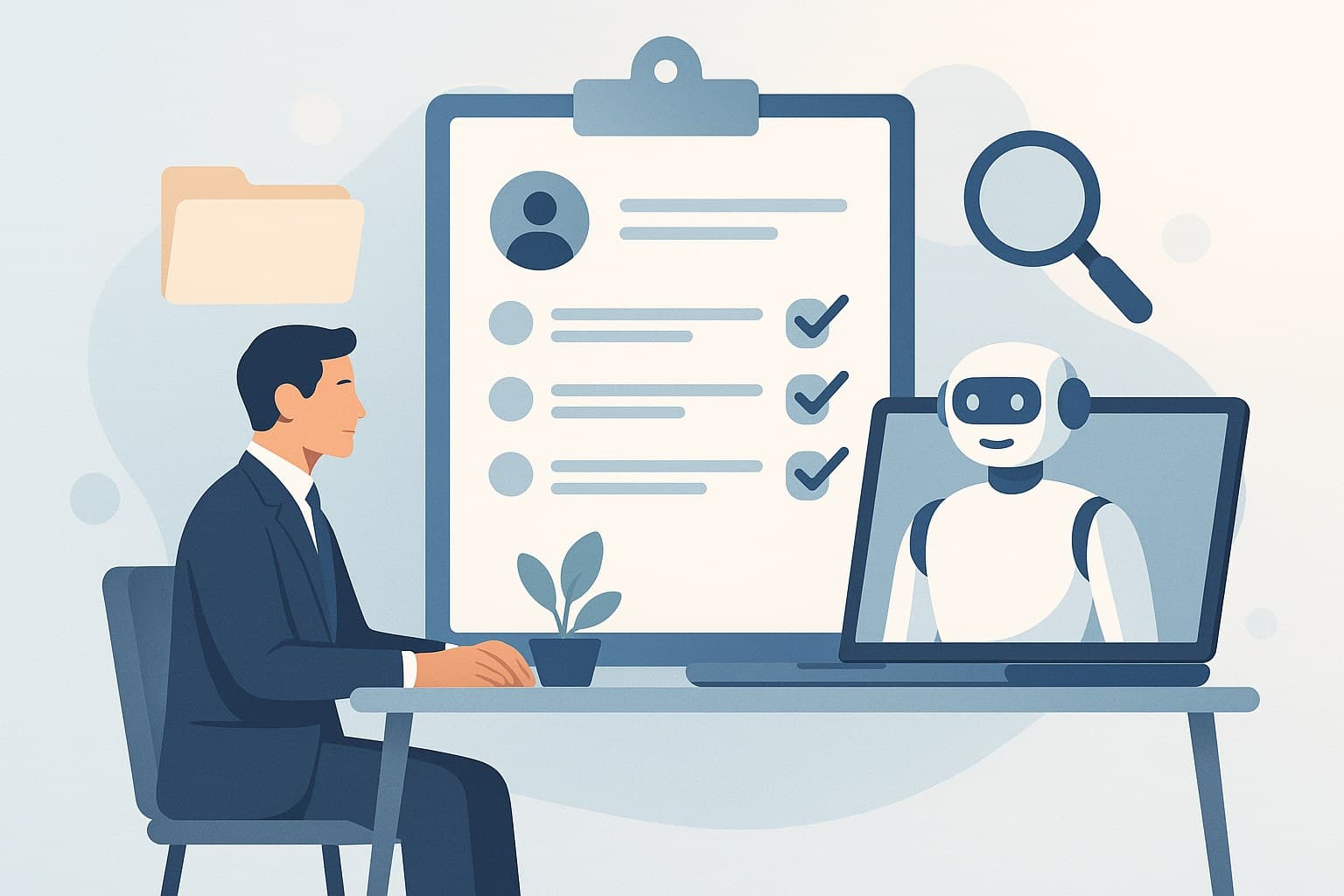
Harnessing AI for Manager Calibration: A Deep Dive into Interview Clips
In today's fast-paced corporate environment, the role of a manager is more critical than ever. Managers not only drive team performance but also shape company culture and influence employee satisfaction. Thus, ensuring that managers are well-calibrated and aligned with the company's goals is paramount. With advancements in technology, particularly artificial intelligence (AI), businesses now have innovative tools at their disposal to enhance manager calibration processes. One such tool is the use of AI-analyzed interview clips, which can provide deep insights into managerial competencies and alignment. This article explores how AI can revolutionize manager calibration through the analysis of interview clips, offering a compelling case for HR leaders and corporate decision-makers to integrate this technology into their strategic processes.
Understanding Manager Calibration
Manager calibration is the process of assessing and aligning managers' competencies, behaviors, and decision-making abilities with the strategic objectives of the organization. Traditionally, this process involved subjective evaluations, peer reviews, and performance metrics. However, these methods often suffer from biases, inconsistencies, and a lack of real-time feedback. This is where AI-powered solutions can make a significant difference.
The Role of AI in Manager Calibration
AI technologies, particularly natural language processing (NLP) and machine learning (ML), have the capability to analyze vast amounts of data quickly and accurately. When applied to manager calibration, AI can evaluate interview clips to provide insights into a manager's communication style, emotional intelligence, decision-making process, and alignment with company values.
1. Objective Evaluation of Communication Skills
Communication is a cornerstone of effective management. AI can analyze interview clips to assess a manager's clarity, tone, and engagement level. By transcribing and analyzing spoken words, AI can identify patterns, detect sentiment, and evaluate the effectiveness of communication strategies. This objective analysis helps HR leaders identify areas of improvement and tailor training programs to enhance communication skills.
2. Assessing Emotional Intelligence
Emotional intelligence (EI) is crucial for managers to motivate teams, resolve conflicts, and foster a positive work environment. AI algorithms can evaluate non-verbal cues, such as facial expressions and body language, to gauge a manager's emotional intelligence. By doing so, companies can ensure their managers are equipped to handle interpersonal relationships judiciously and empathetically.
3. Real-Time Feedback and Continuous Improvement
One of the key advantages of AI is its ability to provide real-time feedback. By continuously analyzing interview clips, AI can offer ongoing assessments of managerial performance. This allows for a dynamic calibration process where managers receive timely insights and can make immediate adjustments to their management style.
4. Reducing Bias in Evaluations
Traditional evaluation methods are often prone to biases, whether conscious or unconscious. AI-driven analysis of interview clips offers a more impartial approach, focusing on data and objective metrics rather than subjective opinions. This helps in creating a fairer assessment process, ensuring that managers are evaluated based on their actual performance and potential.
5. Enhancing Decision-Making Abilities
AI can simulate different scenarios and analyze a manager's decision-making process captured in interview clips. By understanding how managers approach problem-solving and make decisions, organizations can identify strengths and potential areas for development. This insight is invaluable for tailoring leadership development programs and ensuring that decision-making aligns with organizational goals.
Implementing AI-Driven Manager Calibration: A Strategic Approach
For HR leaders and corporate decision-makers, integrating AI in manager calibration involves several strategic steps:
1. Selecting the Right AI Tools
Choosing the right AI tools that can effectively analyze interview clips is crucial. Organizations should look for solutions that offer advanced NLP capabilities, sentiment analysis, and non-verbal cue detection.
2. Training and Development
AI tools are only as effective as the data they are trained on. Companies must invest in training AI systems with diverse and comprehensive datasets to ensure accurate assessments. Additionally, HR teams should be trained to interpret AI-generated insights effectively.
3. Ensuring Data Privacy and Compliance
With AI analyzing interview clips, data privacy and compliance become critical considerations. Organizations must establish robust data protection protocols and ensure compliance with regulations such as GDPR to safeguard employee information.
4. Continuous Monitoring and Evaluation
The implementation of AI should be an ongoing process. Regular monitoring and evaluation of AI tools ensure they remain effective and aligned with organizational needs. Feedback loops should be established to refine AI algorithms continuously.
5. Fostering a Culture of Continuous Improvement
Finally, integrating AI into manager calibration should be part of a broader cultural shift towards continuous improvement. By fostering a culture that values feedback, learning, and development, organizations can maximize the benefits of AI-driven insights.
Conclusion
AI has the potential to transform manager calibration by providing objective, real-time, and bias-free assessments of managerial competencies. By leveraging AI-analyzed interview clips, companies can gain deeper insights into their managers' communication, emotional intelligence, and decision-making abilities. For HR leaders and corporate decision-makers, embracing this technology not only enhances managerial performance but also aligns leadership practices with strategic goals, ultimately driving organizational success in a competitive business landscape.
Frequently Asked Questions
Key questions often raised by business leaders and HR teams:
What is manager calibration?
Manager calibration is the process of assessing and aligning managers' competencies with organizational goals.
How does AI improve manager calibration?
AI enhances manager calibration by providing objective evaluations through the analysis of interview clips, reducing biases, and offering real-time feedback.
What tools are needed for AI-driven manager calibration?
Organizations should select AI tools that offer advanced natural language processing, sentiment analysis, and non-verbal cue detection for effective manager calibration.
What are the benefits of using AI in evaluating emotional intelligence?
AI can assess non-verbal cues and communication styles, providing insights into a manager's emotional intelligence and ability to foster positive workplace relationships.
Why is data privacy important in AI applications?
Data privacy is critical to protect employee information and ensure compliance with regulations like GDPR when using AI to analyze interview clips.