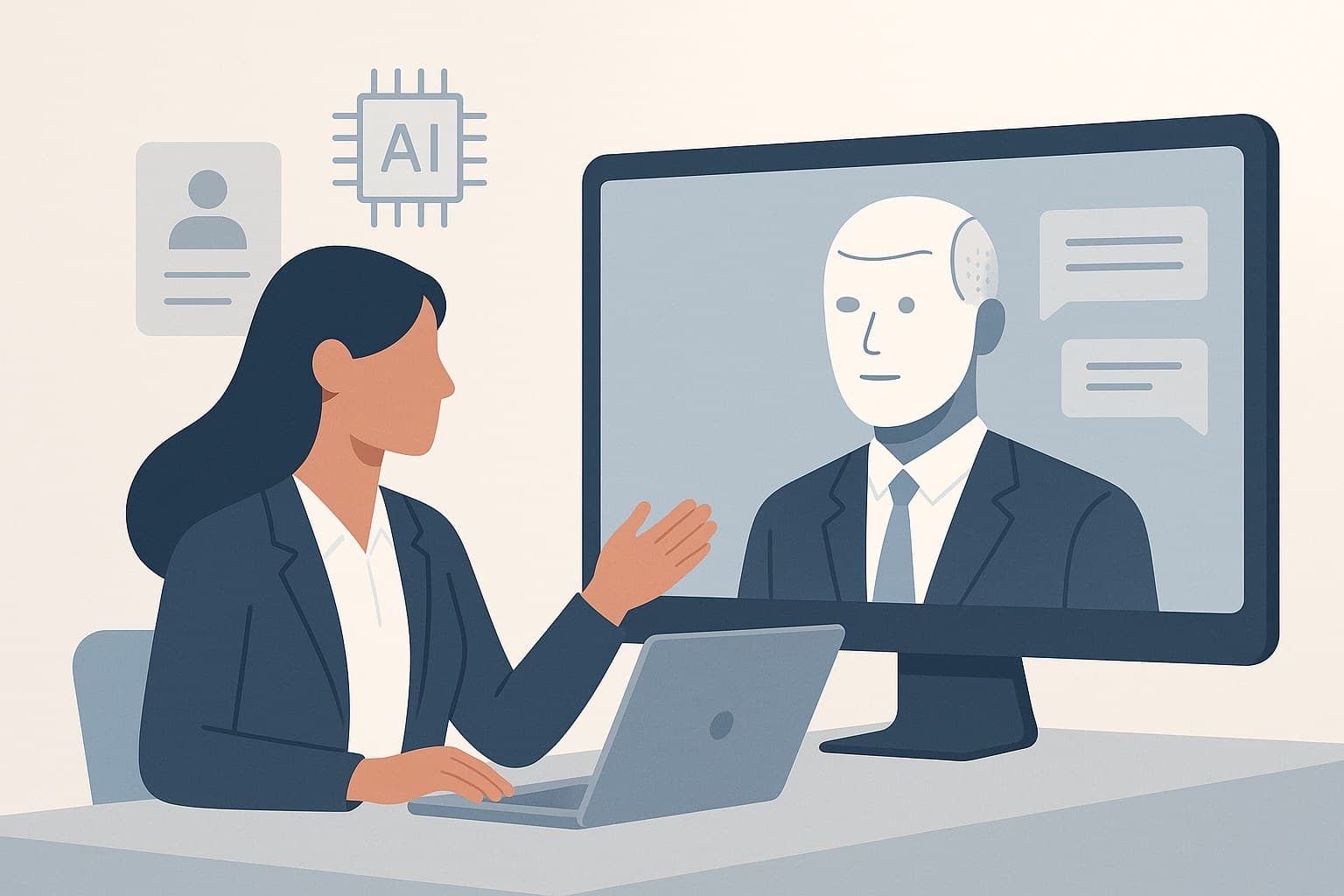
AI Model Card Hiring, Interview Scoring Transparency, and Explainability in HR Tech: The Power and Pitfalls of AI in Recruitment
Artificial intelligence (AI) has been making waves in the HR industry, promising to revolutionize the way companies hire and manage their workforce. With AI-powered tools, employers can now streamline their recruitment processes, improve candidate selection, and enhance employee experience. However, as with any technology, there are concerns and challenges that come with its implementation. In this article, we will delve into the concept of AI model card hiring, interview scoring transparency, and explainability, and explore their significance in HR tech.
What is AI Model Card Hiring?
AI model card hiring is a relatively new concept that has emerged as a response to the need for transparency and fairness in AI-powered hiring tools. Essentially, an AI model card is a standardized document that provides a detailed overview of an AI model’s capabilities, limitations, and potential biases. It helps HR professionals and recruiters understand how the AI model works and what factors it considers when making hiring decisions.
The concept of AI model cards was first introduced by Google’s AI division, and it has gained traction in the HR industry as a means to promote transparency and accountability in AI-powered recruitment. With the rise of AI in hiring, there have been concerns about the potential for these tools to perpetuate biases and discriminate against certain groups of candidates. AI model cards aim to address these concerns by providing information that helps recruiters assess the fairness and reliability of the AI model.
The Importance of Interview Scoring Transparency
One of the key components of AI model card hiring is interview scoring transparency. This refers to the process of making the AI model’s scoring methodology and criteria transparent to both candidates and employers. In traditional recruitment processes, interview scores are often subjective and based on the interviewer’s personal biases and preferences. With AI-powered tools, the scoring process is standardized, making it more objective and consistent.
Transparency in interview scoring is crucial for promoting fairness in the hiring process. It allows candidates to understand how they were evaluated and provides them with feedback on their performance. This can help candidates identify areas of improvement and prepare for future job interviews. Additionally, it allows employers to assess the effectiveness of their AI model and identify any potential biases that may need to be addressed.
The Role of Explainability in HR Tech
Explainability is another crucial aspect of AI model card hiring that cannot be overlooked. Explainability refers to the ability to understand and explain how an AI model arrives at its decisions. In the context of HR tech, explainability is essential for promoting trust in AI-powered recruitment tools. When candidates and employers understand how the AI model works and the factors it considers, they are more likely to trust its decisions.
Explainability also plays a crucial role in addressing potential biases in AI models. By providing a clear explanation of how the model makes decisions, HR professionals can identify any potential biases and take steps to mitigate them. This is particularly important in industries where diversity and inclusivity are crucial, such as finance, healthcare, and technology.
The Power and Pitfalls of AI in Recruitment
The use of AI in recruitment has the potential to revolutionize the way companies hire and manage their workforce. With AI-powered tools, employers can streamline their recruitment processes, reduce bias, and improve the quality of hires. Additionally, AI can help employers identify top candidates and predict job performance, saving time and resources in the long run.
However, there are also pitfalls and challenges that come with the use of AI in recruitment. One of the primary concerns is the potential for AI tools to perpetuate biases and discrimination. AI models are only as unbiased as the data they are trained on, and if the data is biased, the AI model will also be biased. This is where AI model cards and explainability play a crucial role in promoting transparency and addressing biases.
Another challenge is the lack of understanding and trust in AI among candidates and employers. Many people are still unfamiliar with the concept of AI and are skeptical about its use in hiring. This lack of trust can hinder the adoption and effectiveness of AI in recruitment. Therefore, it is essential for HR professionals and recruiters to educate themselves and others about AI and its potential benefits and limitations.
Conclusion
AI model card hiring, interview scoring transparency, and explainability are all essential components of AI-powered recruitment. They play a crucial role in promoting fairness, transparency, and trust in the hiring process. While there are challenges and potential pitfalls to consider, the benefits of AI in recruitment cannot be ignored. As technology continues to advance, it is crucial for HR professionals and recruiters to stay informed and adapt to the changing landscape of HR tech.
To learn more about AI model card hiring and other HR tech trends, visit our website here. Let us help you take your recruitment process to the next level with the power of AI.
Frequently Asked Questions
Key questions often raised by business leaders and HR teams:
What is AI model card hiring?
AI model card hiring is a standardized document that outlines an AI model’s capabilities, limitations, and potential biases, promoting transparency in recruitment.
Why is interview scoring transparency important?
Interview scoring transparency ensures that candidates understand how they are evaluated, promoting fairness and allowing for constructive feedback.
How does explainability contribute to AI in recruitment?
Explainability allows HR professionals to understand AI decision-making, helping to identify and mitigate potential biases in the hiring process.
What are the benefits of using AI in recruitment?
AI can streamline recruitment processes, reduce bias, improve candidate selection, and save time and resources for employers.
What challenges does AI face in recruitment?
Challenges include potential biases in AI models and a general lack of understanding and trust in AI among candidates and employers.