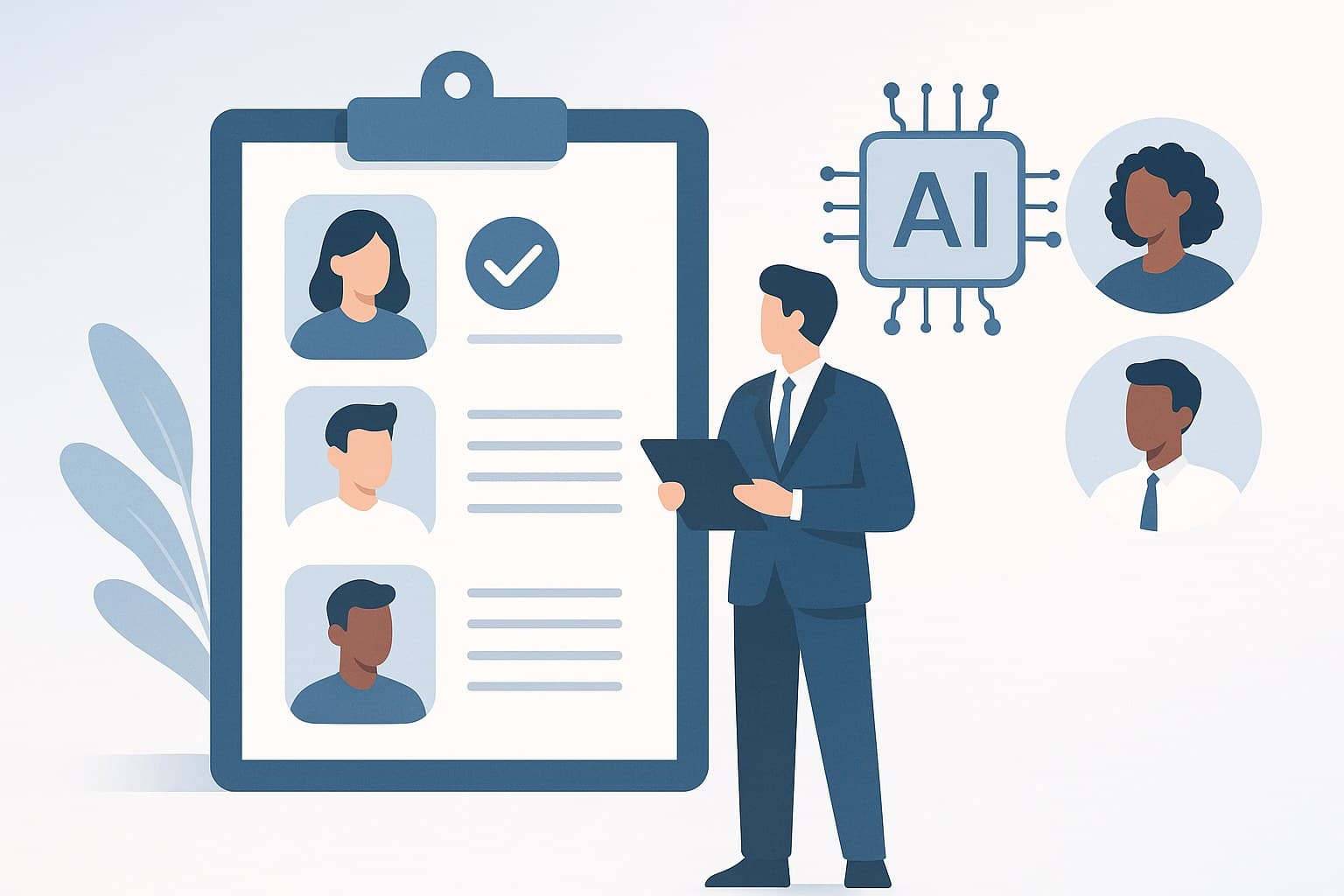
Leveraging AI-Powered Shortlists for High-Volume Recruiting: A Game-Changer for HR Leaders
In the fast-paced world of recruitment, companies often face the daunting task of sifting through thousands of applications to find the right candidates. This challenge is particularly pronounced in high-volume recruiting, where the sheer number of applicants can overwhelm even the most seasoned HR teams. Enter AI-powered shortlists—a transformative solution designed to streamline the recruitment process, enhance decision-making, and ultimately secure top talent efficiently.
Understanding AI-Powered Shortlists
AI-powered shortlists leverage artificial intelligence and machine learning algorithms to automate the initial stages of the recruitment process. These tools analyze resumes, cover letters, and even social media profiles to identify the most qualified candidates based on predefined criteria. By doing so, they drastically reduce the time spent on manual screening, allowing HR professionals to focus on more strategic aspects of talent acquisition.
The Benefits of AI in High-Volume Recruiting
-
Efficiency and Speed: One of the most significant advantages of AI-powered shortlists is the speed at which they operate. What might take a human recruiter hours or even days to accomplish, an AI system can execute in a matter of minutes. This rapid processing is particularly beneficial for high-volume recruiting, where timing can be critical in securing top candidates.
-
Improved Accuracy and Objectivity: Human biases, whether conscious or unconscious, can affect hiring decisions. AI systems, when properly designed, can mitigate these biases by evaluating candidates based solely on data-driven criteria. This objectivity ensures that the most qualified individuals are shortlisted, regardless of their background, gender, or ethnicity.
-
Scalability: As organizations grow, their recruitment needs often expand exponentially. AI-powered shortlists can easily scale to accommodate this growth, handling thousands of applications without compromising on quality. This scalability is essential for businesses that experience fluctuating hiring demands.
-
Enhanced Candidate Experience: In high-volume recruiting, candidates often face long wait times before receiving any feedback. AI can expedite this process, providing timely updates and keeping candidates engaged. A positive candidate experience not only enhances a company's reputation but also increases the likelihood of securing top talent.
-
Cost-Effectiveness: By reducing the time and resources spent on manual screening, AI-powered shortlists can significantly lower recruitment costs. This cost-effectiveness allows companies to allocate resources to other critical areas, such as employee training and development.
Implementing AI-Powered Shortlists
To successfully integrate AI-powered shortlists into your recruitment strategy, consider the following steps:
-
Define Clear Criteria: Before deploying AI tools, it's crucial to establish clear criteria for candidate evaluation. This includes determining the skills, qualifications, and experience levels required for the roles you're hiring for. Clear criteria ensure that the AI system can effectively assess and rank candidates.
-
Choose the Right Technology: Not all AI tools are created equal. Evaluate different platforms to find one that aligns with your organization's needs and integrates seamlessly with existing HR systems. Consider factors such as user-friendliness, data security, and customer support when making your selection.
-
Train Your Team: While AI can handle many aspects of the recruitment process, human oversight remains essential. Train your HR team to work alongside AI tools, interpreting results and making final decisions. This collaboration ensures that technology enhances, rather than replaces, human judgment.
-
Monitor and Adjust: AI systems require continuous monitoring to ensure they're functioning optimally. Regularly review the outcomes of AI-generated shortlists and make adjustments to the algorithms as needed. This iterative process helps refine the system and improve its accuracy over time.
Addressing Potential Challenges
Despite the numerous benefits, implementing AI-powered shortlists comes with its challenges. Data privacy concerns are paramount, as the use of AI involves processing sensitive candidate information. Organizations must ensure compliance with data protection regulations and maintain transparency about how candidate data is used.
Additionally, there is the risk of over-reliance on AI, which could lead to overlooking valuable human insights. HR leaders must strike a balance between AI efficiency and human intuition, ensuring that technology complements, rather than dominates, the recruitment process.
The Future of AI in Recruitment
As AI technology continues to evolve, its role in recruitment is set to expand. Future advancements may include more sophisticated natural language processing capabilities, enabling AI systems to better understand and interpret nuanced information in resumes and interviews. Additionally, AI could play a more significant role in diversity and inclusion initiatives by identifying and mitigating biases in job descriptions and candidate evaluations.
For HR leaders, staying ahead of these trends is crucial. By embracing AI-powered shortlists now, organizations can position themselves as pioneers in the recruitment space, attracting top talent and maintaining a competitive edge.
Conclusion
AI-powered shortlists represent a significant advancement in high-volume recruiting, offering a blend of speed, accuracy, and efficiency. For HR leaders tasked with managing large-scale recruitment efforts, these tools provide a strategic advantage in the quest for top talent. By thoughtfully integrating AI into the recruitment process, organizations can enhance their hiring outcomes, improve candidate experiences, and ultimately drive business success. As the recruitment landscape continues to evolve, AI-powered shortlists will undoubtedly become an indispensable asset for forward-thinking companies.
Frequently Asked Questions
Key questions often raised by business leaders and HR teams:
What are AI-powered shortlists?
AI-powered shortlists use artificial intelligence to automate the initial stages of recruitment, analyzing candidates based on predefined criteria.
How do AI-powered shortlists improve recruiting efficiency?
They significantly speed up the candidate screening process, allowing HR teams to focus on strategic talent acquisition.
What challenges come with implementing AI in recruitment?
Challenges include data privacy concerns and the risk of over-reliance on technology, which can overlook valuable human insights.
Can AI help with diversity in hiring?
Yes, AI can identify and mitigate biases in job descriptions and candidate evaluations, supporting diversity and inclusion initiatives.