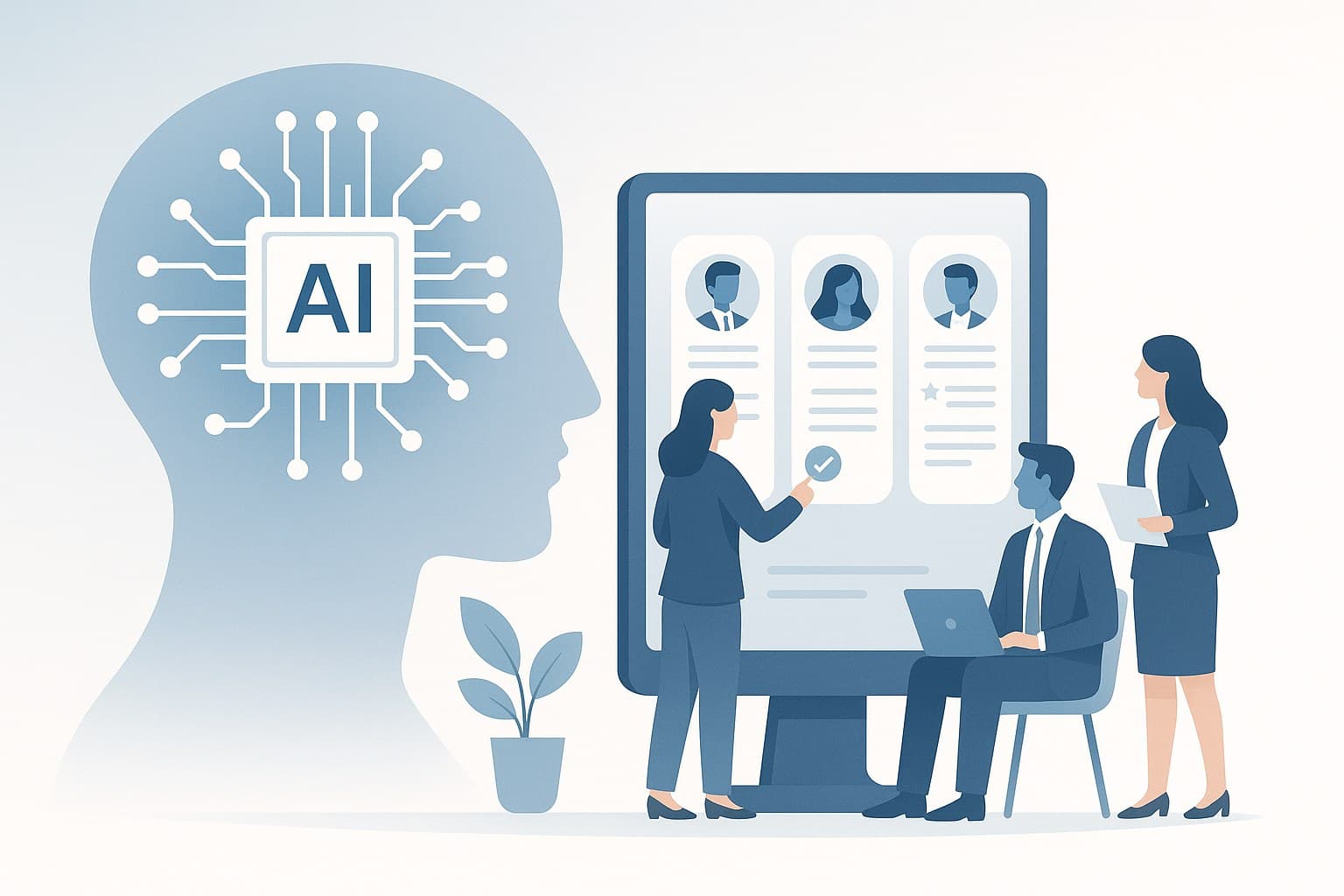
AI Recruiter FTE Reduction Model: Leveraging Technology for More Efficient Recruitment
In this article, we will explore the AI recruiter FTE reduction model, its potential impact on the recruitment process, and how it can benefit businesses in the long run.
What is the AI Recruiter FTE Reduction Model?
The AI recruiter FTE reduction model refers to the use of artificial intelligence (AI) technology to automate and optimize various stages of the recruitment process. This includes resume screening, candidate assessment, and even interview scheduling. By leveraging AI, companies can reduce the time, effort, and resources needed to find and hire the right candidates, ultimately leading to a reduction in full-time equivalent (FTE) positions dedicated to recruitment.
How AI is Transforming Recruitment
The technology of artificial intelligence has facilitated the daily work of recruiters in many ways. With AI-enabled recruitment tools, recruiters can now automate the process of sifting through resumes and shortlisting candidates based on specific skills and qualifications. This not only saves time but also ensures a more objective and unbiased selection process.
Moreover, AI-powered chatbots are being used by companies to engage with potential candidates and provide them with a seamless and personalized experience. These chatbots can handle initial inquiries and provide candidates with relevant information about the company and the job, freeing up recruiters to focus on more critical tasks.
The Impact on Recruiters
One of the key benefits of the AI recruiter FTE reduction model is the potential reduction in the number of FTE positions dedicated to recruitment. By automating several tasks, recruiters can now handle a larger volume of applicants with fewer resources. This means that companies can save on the costs associated with hiring and maintaining a large recruitment team.
Additionally, with the help of AI, recruiters can now focus on more strategic and high-value tasks, such as building relationships with candidates, creating a strong employer brand, and developing effective recruitment strategies. This shift in responsibilities can lead to increased job satisfaction and productivity for recruiters.
Tools and Platforms for AI-Enabled Recruitment
There are various tools and platforms available in the market that utilize AI to streamline and improve the recruitment process. For instance, platforms like MIND Interview offer AI resume analysis, which parses skills, matches job descriptions, and ranks a shortlist of candidates. It also provides 24/7 asynchronous AI video interviews that evaluate candidates on their expression, tone, logic, and structure.
Moreover, MIND Interview's hiring workspace allows for bulk invites, pipeline stages, and integration with existing ATS and HRIS systems. This not only saves recruiters time but also ensures a more organized and efficient recruitment process.
The Future of Recruitment
The AI recruiter FTE reduction model is still in its early stages, but its potential impact on the recruitment process is significant. With the rise of AI technology, it is expected that more companies will adopt AI-powered recruitment tools and platforms in the near future. This will lead to a more efficient and cost-effective recruitment process, ultimately benefiting businesses of all sizes.
Conclusion: Leveraging AI for Better Recruitment
In conclusion, the AI recruiter FTE reduction model offers a promising solution for companies looking to improve their recruitment process while reducing costs and resources. With the help of AI, recruiters can focus on more strategic and high-value tasks, leading to a more efficient and productive recruitment process. As technology continues to evolve, it is essential for businesses to embrace AI and leverage its potential to stay ahead in the competitive job market.
If you're interested in streamlining your recruitment process and reducing FTE positions, consider exploring MIND Interview's AI-powered recruitment platform. With features like AI resume analysis, asynchronous video interviews, and multilingual capabilities, MIND Interview offers a comprehensive solution for all your recruitment needs. Click here to learn more and start your journey towards a more efficient and cost-effective recruitment process.
Frequently Asked Questions
Key questions often raised by business leaders and HR teams:
What is the AI recruiter FTE reduction model?
The AI recruiter FTE reduction model uses artificial intelligence to automate and optimize recruitment tasks, reducing the need for full-time recruitment staff.
How does AI improve the recruitment process?
AI enhances recruitment by automating resume screening, candidate assessment, and interview scheduling, leading to a more efficient and unbiased selection process.
What tools are available for AI-enabled recruitment?
Various platforms like MIND Interview offer AI resume analysis and asynchronous video interviews to streamline the hiring process.
What are the benefits of using AI in recruitment?
Using AI in recruitment can lead to cost savings, improved efficiency, and allows recruiters to focus on strategic tasks rather than administrative duties.
Is the AI recruiter FTE reduction model widely adopted?
While still emerging, the model is gaining traction as more companies recognize the benefits of AI-powered recruitment tools.