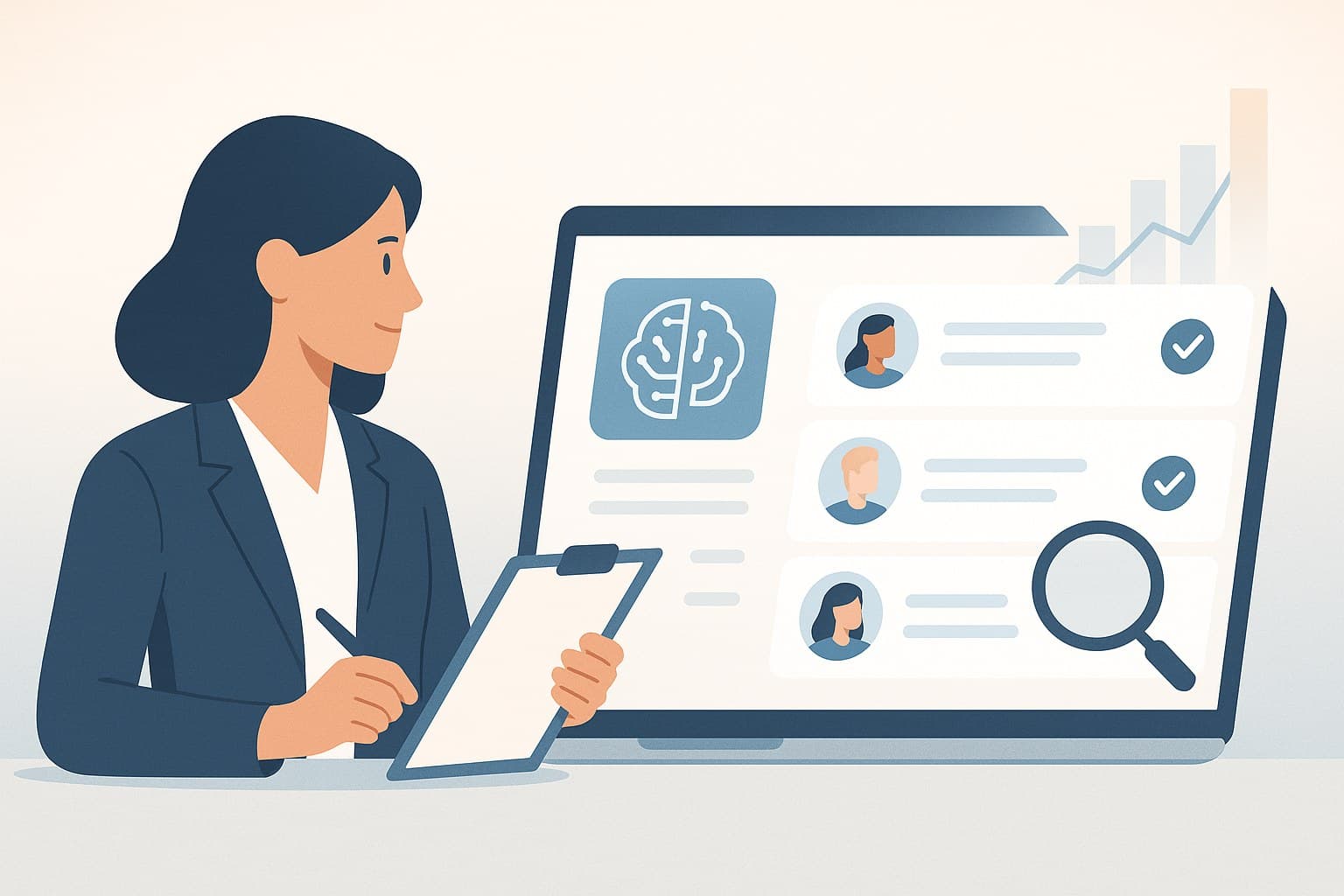
AI Recruiting Platform Comparison: A Comprehensive Guide for Business Decision-Makers and HR Leaders
In the rapidly evolving landscape of talent acquisition, artificial intelligence (AI) is playing an increasingly crucial role. AI recruiting platforms offer solutions that streamline hiring processes, enhance candidate experience, and improve decision-making. For business decision-makers and HR leaders, selecting the right platform can be a game-changer in attracting and retaining top talent. This article provides a comprehensive comparison of AI recruiting platforms, highlighting key features, benefits, and considerations to help you make an informed decision.
Understanding AI Recruiting Platforms
AI recruiting platforms leverage machine learning algorithms, natural language processing, and data analytics to optimize various stages of the recruitment process. They assist in sourcing candidates, screening resumes, scheduling interviews, and even predicting candidate success. By automating repetitive tasks, these platforms free up HR professionals to focus on strategic decision-making and personal interactions.
Key Features to Consider
When evaluating AI recruiting platforms, it's essential to assess the features that align with your organization's needs. Here are the primary features to consider:
-
AI-Powered Sourcing: Platforms with robust sourcing capabilities can scan millions of profiles across multiple channels, including job boards, social media, and internal databases, to identify potential candidates. Look for platforms that offer real-time data insights and customizable search criteria.
-
Resume Screening and Parsing: Effective AI recruiting tools use advanced algorithms to parse resumes and identify key skills, experiences, and qualifications. This feature significantly reduces the time spent on manual resume reviews.
-
Candidate Engagement and Communication: AI-driven chatbots and communication tools can engage with candidates instantly, answer queries, and provide updates, improving the candidate experience and keeping them engaged throughout the hiring process.
-
Predictive Analytics: Some platforms offer predictive analytics to assess candidate fit and potential performance. This feature helps HR leaders make data-driven decisions, reducing the risk of bad hires.
-
Integration Capabilities: Ensure the platform can integrate seamlessly with your existing HR systems and applicant tracking systems (ATS) to streamline workflows and maintain data consistency.
-
Bias Mitigation: Look for platforms that offer features to identify and mitigate unconscious biases in the recruitment process, promoting diversity and inclusion in your workforce.
Benefits of AI Recruiting Platforms
Adopting an AI recruiting platform can bring numerous advantages to your organization:
-
Efficiency and Time Savings: By automating repetitive tasks, AI platforms significantly reduce the time to hire, allowing HR teams to focus on more strategic activities.
-
Improved Candidate Experience: With AI chatbots providing instant feedback and updates, candidates are more likely to have a positive experience, enhancing your employer brand.
-
Data-Driven Decision Making: AI tools provide valuable insights and analytics, enabling HR leaders to make informed decisions based on data rather than intuition.
-
Enhanced Quality of Hire: Predictive analytics and AI-driven assessments help in identifying candidates who are more likely to succeed in the role and fit within the company culture.
Comparing Leading AI Recruiting Platforms
Here’s a look at some of the leading AI recruiting platforms available in the market today:
1. HireVue
HireVue is known for its video interviewing and assessment capabilities. It uses AI to analyze facial expressions, tone, and language during interviews, providing insights into candidate suitability. It’s particularly beneficial for companies looking to enhance their interview process with AI-driven insights.
2. LinkedIn Talent Insights
LinkedIn Talent Insights provides real-time data on labor market trends, talent pool availability, and competitor analysis. It’s an excellent tool for strategic workforce planning and understanding talent dynamics in specific regions or industries.
3. Pymetrics
Pymetrics uses behavioral science and AI to match candidates with roles. It offers gamified assessments to evaluate cognitive and emotional attributes, helping to reduce bias and improve diversity.
4. Eightfold.ai
Eightfold.ai focuses on talent intelligence, offering features like talent rediscovery, personalized candidate recommendations, and diversity hiring insights. Its deep-learning AI matches candidates to roles based on their skills and potential.
5. Hiretual
Hiretual is a sourcing tool that integrates with your ATS and provides AI-driven candidate recommendations. It supports multi-channel sourcing and offers deep insights into candidate availability and market trends.
Considerations for Implementation
When implementing an AI recruiting platform, consider the following:
-
Budget and ROI: Assess the cost of the platform against the potential return on investment in terms of time savings, improved hires, and enhanced candidate experience.
-
Scalability: Ensure the platform can scale with your organization's growth and adapt to changing needs.
-
User Adoption and Training: Plan for user training and change management to ensure successful adoption of the new technology across your HR team.
-
Data Security and Compliance: Verify that the platform complies with data protection regulations, such as GDPR, and has robust security measures in place to protect sensitive candidate information.
Conclusion
AI recruiting platforms are revolutionizing the way organizations attract and select talent. By automating mundane tasks and providing valuable insights, these tools empower HR leaders to make strategic, data-driven decisions. As you evaluate different platforms, consider the unique needs of your organization, the features that will bring the most value, and the implementation considerations to ensure a smooth transition. With the right AI recruiting platform, your organization can stay ahead in the competitive talent landscape and build a workforce that drives success.
Frequently Asked Questions
Key questions often raised by business leaders and HR teams:
What are AI recruiting platforms?
AI recruiting platforms use artificial intelligence to streamline the hiring process, from sourcing candidates to screening resumes.
How do AI recruiting tools improve candidate experience?
These tools enhance candidate experience by providing instant communication through chatbots and timely updates throughout the hiring process.
What features should I look for in an AI recruiting platform?
Key features include AI-powered sourcing, resume screening, candidate engagement tools, predictive analytics, and bias mitigation.
Can AI recruiting platforms help reduce hiring bias?
Yes, many AI recruiting platforms include features designed to identify and mitigate unconscious biases in the recruitment process.
What are the benefits of using AI in recruitment?
Benefits include increased efficiency, improved candidate experience, data-driven decision making, and enhanced quality of hire.