AI Recruiting ROI, Payback Period, and Completion Rate: Understanding the Impact of AI on Talent Acquisition
Artificial intelligence (AI) has revolutionized the recruitment process, making it more efficient, productive, and data-driven. With the rise of AI-powered recruiting platforms, companies are able to streamline their hiring process and find the best candidates for the job. However, with any new technology, there are always questions about its return on investment (ROI), payback period, and completion rate. In this article, we will explore the key insights and data surrounding these factors and how AI is transforming the world of talent acquisition.
The Impact of AI on Time Efficiency
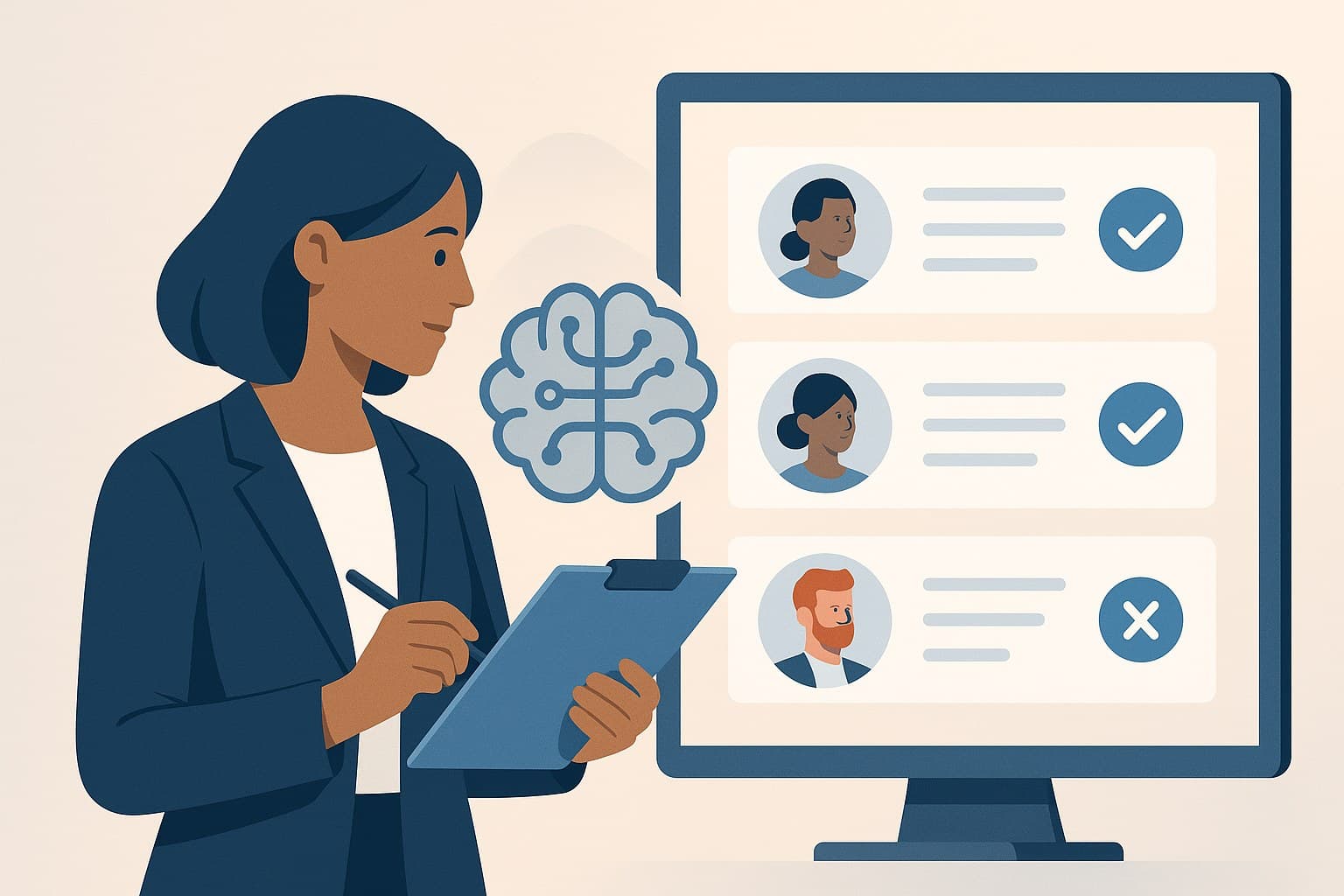
AI-powered recruiting platforms, such as Hiring, are able to automate the initial stages of the hiring process, such as resume screening and candidate ranking. This not only saves time for the recruiter but also ensures that the top candidates are identified and prioritized for further evaluation. In addition, AI can also assist with scheduling interviews and communication with candidates, freeing up the recruiter's time for more strategic tasks.
Understanding ROI in AI Recruitment
Calculating the ROI of AI in recruitment can be a complex task, as it involves both tangible and intangible benefits. Tangible benefits include time and cost savings, while intangible benefits include improved candidate experience and better quality of hire.
However, the true ROI of AI in recruitment can only be determined over time, as the technology continues to evolve and improve. Companies should also consider the long-term benefits of using AI, such as improved retention rates and increased productivity of new hires.
Payback Period of AI in Recruitment
The payback period is heavily influenced by the size of the company and the complexity of their recruitment process. Companies with a high volume of hires and a time-consuming recruitment process are more likely to see a shorter payback period due to the significant time and cost savings provided by AI.
Completion Rate and AI Recruitment
In addition, AI can also help reduce bias in the recruitment process, leading to a more diverse pool of candidates and a higher completion rate. With AI, candidates are evaluated based on their skills and qualifications, rather than factors such as gender, race, or age.
The Future of AI in Recruitment
Some of the advancements we can expect to see in AI recruitment include improved natural language processing, chatbots for candidate communication, and the use of predictive analytics to identify the best candidates for a specific role. These developments will not only make the recruitment process more efficient but also provide valuable insights for strategic decision-making in HR.
Conclusion: Embracing AI in Recruitment
In the fast-paced world of talent acquisition, it is essential to stay ahead of the competition and find the best candidates for your company. With AI, companies can achieve this goal more efficiently and effectively, leading to a higher ROI, shorter payback period, and improved completion rate. However, it is important to remember that AI is not a replacement for human recruiters but rather a tool to enhance their capabilities and improve the overall recruitment process.
As the use of AI in recruitment becomes more widespread, it is crucial for companies to embrace this technology and adapt to the changing landscape of talent acquisition. By understanding the impact of AI on ROI, payback period, and completion rate, companies can make informed decisions and stay ahead of the curve in the competitive world of recruitment.
Sources:
Frequently Asked Questions
Key questions often raised by business leaders and HR teams:
What is the ROI of AI in recruitment?
The ROI of AI in recruitment includes tangible benefits like cost savings and time efficiency, as well as intangible benefits such as improved candidate experience.
How long is the payback period for AI recruitment technology?
The average payback period for AI recruitment is around 12 months, but some companies may see a return in as little as 6 months.
What are the future trends in AI recruitment?
Future trends include advancements in natural language processing, chatbots for candidate communication, and predictive analytics to identify top candidates.