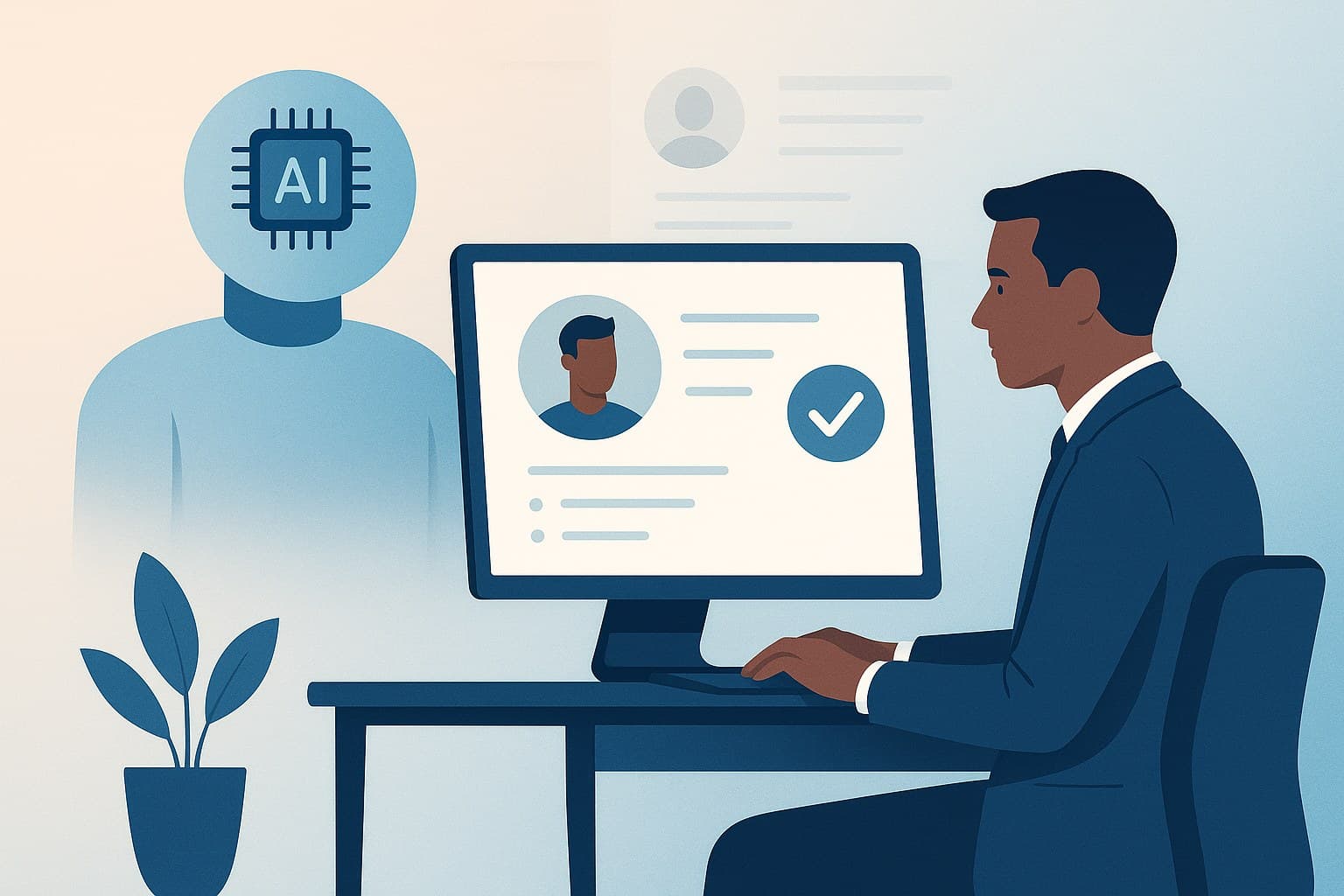
Demystifying AI in Recruitment: An Explainability Checklist for HR Leaders
In the rapidly evolving landscape of artificial intelligence (AI), its application in recruitment has become a game changer for many organizations. The promise of AI lies in its ability to streamline processes, reduce biases, and ultimately improve the quality of hires. However, for HR leaders and corporate decision-makers, the opacity of AI systems presents a significant challenge. Understanding the workings of AI, ensuring its decisions are fair, and maintaining accountability are paramount. This is where the AI interview explainability checklist becomes an essential tool.
Understanding AI Explainability
Explainability in AI refers to the degree to which a human can understand the cause of a decision made by an AI system. In recruitment, this means understanding why an AI tool recommends certain candidates over others or why it scores applicants in a particular way. Without explainability, HR leaders risk deploying AI tools that could inadvertently perpetuate biases or make inexplicable decisions, which can lead to legal and ethical issues.
The AI Interview Explainability Checklist
To ensure that AI systems in recruitment are transparent, fair, and accountable, HR leaders should consider the following checklist:
1. Clarity of Purpose
Before implementing any AI system, clearly define its purpose. Is it to screen resumes, assess candidate fit, or conduct video interviews? Understanding the specific problems you aim to solve will guide the selection and evaluation of AI tools.
2. Algorithm Transparency
Work with vendors who can provide insights into how their algorithms work. While proprietary algorithms may not be fully disclosed, vendors should offer enough information to understand the basic mechanics and logic behind their systems.
3. Data Sources and Quality
Investigate the data sources used to train the AI. Ensure that these sources are diverse and representative of the candidates you aim to attract. Poor data quality or biased data sets can lead to skewed AI decisions.
4. Bias Detection and Mitigation
Ask vendors how their systems identify and mitigate bias. This could include techniques such as anonymizing candidate data, using diverse training datasets, and regularly auditing AI outputs for bias.
5. Result Interpretability
Ensure that the AI system provides interpretable results. This means the AI should not only deliver decisions but also explain the reasoning behind them in understandable terms, allowing HR professionals to make informed decisions.
6. Human Oversight and Intervention
Implement a system where human oversight is an integral part of the AI decision-making process. Human review can catch potential errors or biases in AI recommendations, ensuring that the final hiring decision is well-rounded.
7. Continuous Monitoring and Feedback Loop
AI systems should not be static. Set up a continuous monitoring process to evaluate the AI’s performance and correctness over time. Establish a feedback loop where users can report issues and suggest improvements.
8. Compliance and Legal Considerations
Ensure that the AI system complies with relevant regulations, such as the General Data Protection Regulation (GDPR) or the Equal Employment Opportunity Commission (EEOC) guidelines. Legal compliance is crucial to protect the organization from potential lawsuits.
9. Vendor Accountability
Hold vendors accountable for the performance and fairness of their AI tools. Establish clear expectations and metrics for success, and ensure that vendors are responsive to any issues that arise.
10. Training and Education
Invest in training your HR team to understand AI tools and their implications. Educated users are more likely to effectively leverage AI systems and identify potential issues early.
The Role of HR Leaders
HR leaders play a critical role in the ethical deployment of AI in recruitment. By adhering to the explainability checklist, they can ensure that AI tools enhance rather than hinder their hiring processes. HR leaders should foster a culture of transparency and continuous improvement, where AI tools are regularly evaluated and refined to meet the organization’s evolving needs.
Moreover, HR leaders should advocate for a balanced approach where AI augments human decision-making rather than replacing it. The goal should be to harness the strengths of both AI and human intuition to create a more efficient and fair recruitment process.
Conclusion
The integration of AI in recruitment is inevitable and offers numerous benefits. However, without proper explainability and oversight, it can also pose significant risks. By implementing the AI interview explainability checklist, HR leaders and corporate decision-makers can ensure that their AI systems are transparent, fair, and aligned with organizational values. This will not only enhance the quality of hires but also build trust in AI systems among stakeholders, paving the way for more innovative and effective recruitment strategies.
Frequently Asked Questions
Key questions often raised by business leaders and HR teams:
What is AI explainability in recruitment?
AI explainability refers to how well HR leaders can understand the decisions made by AI systems in recruitment, including candidate recommendations and scoring.
Why is bias detection important in AI recruitment?
Bias detection is crucial to prevent AI systems from perpetuating existing biases in hiring, ensuring a fair and equitable recruitment process.
How can HR leaders ensure compliance with AI systems?
HR leaders should ensure their AI systems comply with regulations like GDPR and EEOC guidelines to avoid legal issues and protect the organization.
What role does human oversight play in AI recruitment?
Human oversight allows HR professionals to review AI recommendations, helping to catch potential errors or biases before final hiring decisions are made.
How often should AI recruitment tools be evaluated?
AI recruitment tools should be continuously monitored and regularly evaluated to ensure they remain effective and aligned with organizational values.