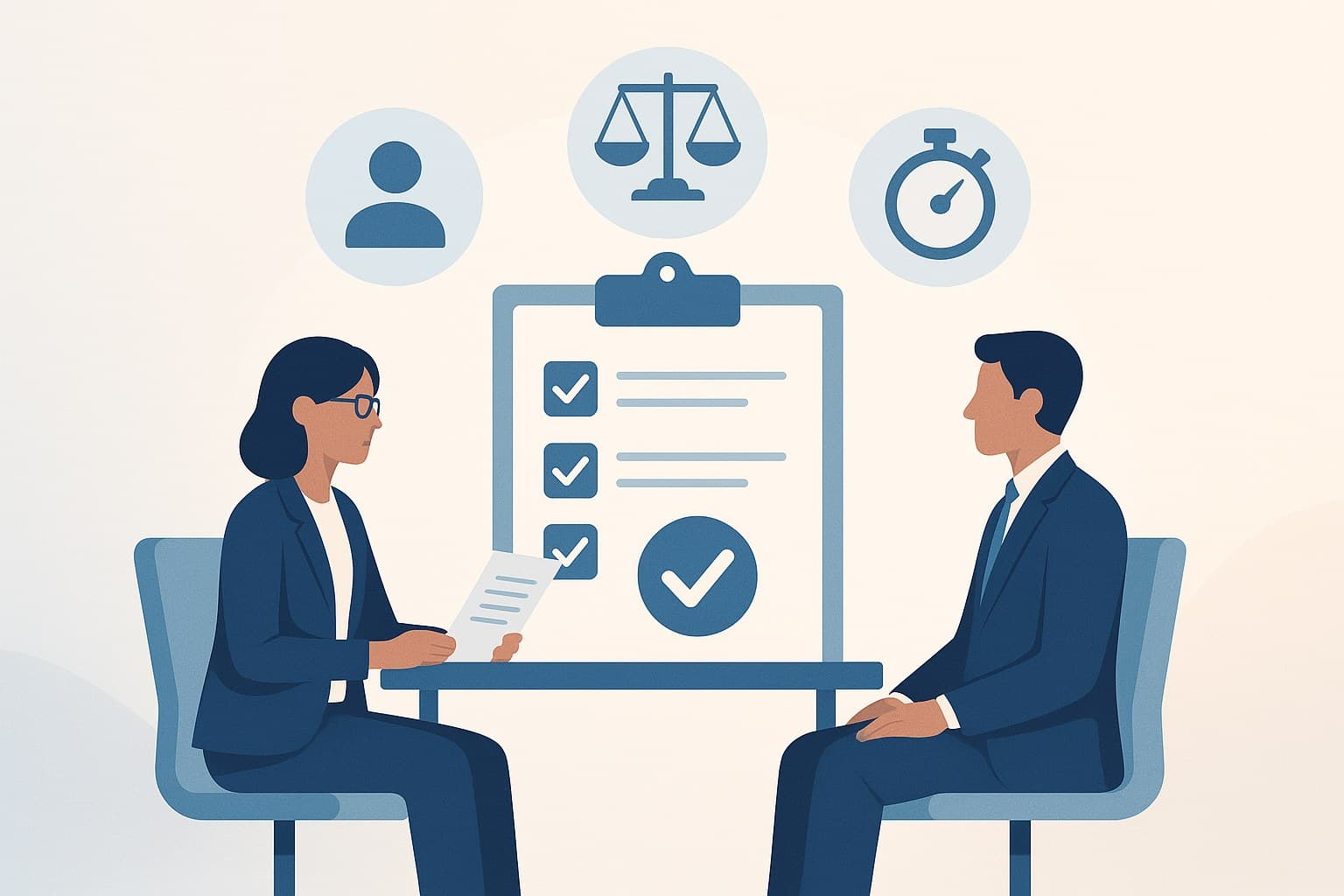
Title: Enhancing Recruitment Processes: The Role of AI in Interviews and Background Check Integration
In the rapidly evolving landscape of human resources, decision-makers are continually seeking innovative solutions to enhance recruitment processes. The integration of Artificial Intelligence (AI) in interviews and background checks stands out as a transformative approach that can significantly streamline hiring, reduce biases, and improve the quality of hires. This article explores how AI can be leveraged effectively in these critical areas of recruitment, providing HR leaders with insights into its benefits, challenges, and best practices for implementation.
The Rise of AI in Recruitment
AI technology has made significant inroads into the recruitment sphere, offering tools that can automate repetitive tasks, analyze large datasets, and provide predictive insights. By integrating AI into interviews and background checks, organizations can create a more efficient, objective, and thorough recruitment process.
AI-Driven Interviews
AI-powered interview platforms are designed to analyze candidates' responses in real-time. These systems can assess not only what is being said but also how it is being said through natural language processing (NLP) and sentiment analysis. Here’s how AI-driven interviews are transforming recruitment:
-
Scalability: AI-driven interviews allow organizations to conduct numerous interviews simultaneously, making it easier to manage large volumes of applicants. This scalability is particularly beneficial for companies experiencing rapid growth or those with high turnover rates.
-
Data-Driven Insights: AI systems can provide detailed analytics on candidate performance, helping HR teams make informed decisions. These insights include candidate strengths and weaknesses, which can be critical for making final hiring decisions and for future reference.
-
Enhanced Candidate Experience: AI can streamline the scheduling and management of interviews, reducing wait times and providing candidates with timely feedback. A smoother interview process contributes to a positive candidate experience, which is essential in competitive job markets.
AI in Background Checks
Background checks are a vital part of the hiring process, ensuring that potential hires have the qualifications and integrity they claim. AI integration in background checks can enhance this process in several ways:
-
Speed and Efficiency: Traditional background checks can be time-consuming, often taking days or even weeks. AI can automate the verification of credentials, employment history, and criminal records, significantly reducing the time required.
-
Accuracy and Reliability: AI systems can cross-verify data from multiple sources, ensuring that the information is accurate and up-to-date. This reduces the risk of errors that can occur in manual checks and enhances the reliability of the results.
-
Risk Management: By evaluating patterns and anomalies in data, AI can identify potential red flags that might be missed by human analysts. This proactive approach to risk management can help organizations avoid costly hiring mistakes.
-
Compliance: AI can assist in ensuring that background checks adhere to legal and regulatory requirements, which vary by region and industry. Automated systems can be programmed to comply with these standards, reducing the risk of non-compliance.
Challenges and Considerations
While AI offers numerous benefits, it is not without challenges. HR leaders must consider several factors when integrating AI into interviews and background checks:
-
Data Privacy: Handling sensitive candidate information requires stringent data privacy measures. Organizations must ensure that AI systems comply with data protection regulations such as GDPR or CCPA.
-
Algorithmic Bias: Although AI can reduce human bias, the algorithms themselves can be biased if not properly designed and monitored. Continuous evaluation and refinement of AI systems are necessary to ensure fairness and equity in recruitment.
-
Integration with Existing Systems: Implementing AI solutions requires seamless integration with existing HR systems. This may involve significant upfront investment and collaboration with IT departments to ensure compatibility and functionality.
-
Candidate Perception: Candidates may have concerns about being evaluated by AI rather than humans. Transparency in how AI is used and how decisions are made can help alleviate these concerns and build trust.
Best Practices for Implementation
To maximize the benefits of AI in interviews and background checks, HR leaders should consider the following best practices:
-
Pilot Programs: Start with pilot programs to test AI solutions on a smaller scale before full implementation. This allows for adjustments based on outcomes and feedback.
-
Training and Development: Ensure that HR teams are adequately trained to work with AI tools. Understanding how to interpret AI-generated insights and integrating them into decision-making processes is crucial.
-
Vendor Selection: Choose reputable vendors with a proven track record in AI recruitment solutions. Evaluate their systems for accuracy, bias mitigation, and compliance with industry standards.
-
Continuous Improvement: Regularly review and update AI systems to adapt to changing recruitment needs and technological advancements. This ongoing process will help maintain the effectiveness and relevance of AI tools.
Conclusion
AI integration in interviews and background checks represents a significant advancement in recruitment strategies. By embracing AI, organizations can achieve faster, more reliable, and data-driven hiring processes. However, successful implementation requires careful planning, a focus on ethical considerations, and a commitment to continuous improvement. For HR leaders, leveraging AI in recruitment not only enhances operational efficiency but also positions their organizations at the forefront of innovation in talent acquisition.
Frequently Asked Questions
Key questions often raised by business leaders and HR teams:
How does AI improve the interview process?
AI improves the interview process by providing consistent evaluations, reducing biases, and offering data-driven insights on candidate performance.
What are the benefits of AI in background checks?
AI enhances background checks by increasing speed, accuracy, and compliance, while also identifying potential risks that may be overlooked by human analysts.
What challenges come with integrating AI in recruitment?
Challenges include data privacy concerns, algorithmic bias, integration with existing systems, and managing candidate perceptions about AI evaluations.
What best practices should be followed when implementing AI in recruitment?
Best practices include starting with pilot programs, ensuring HR teams are trained, selecting reputable vendors, and committing to continuous improvement of AI systems.