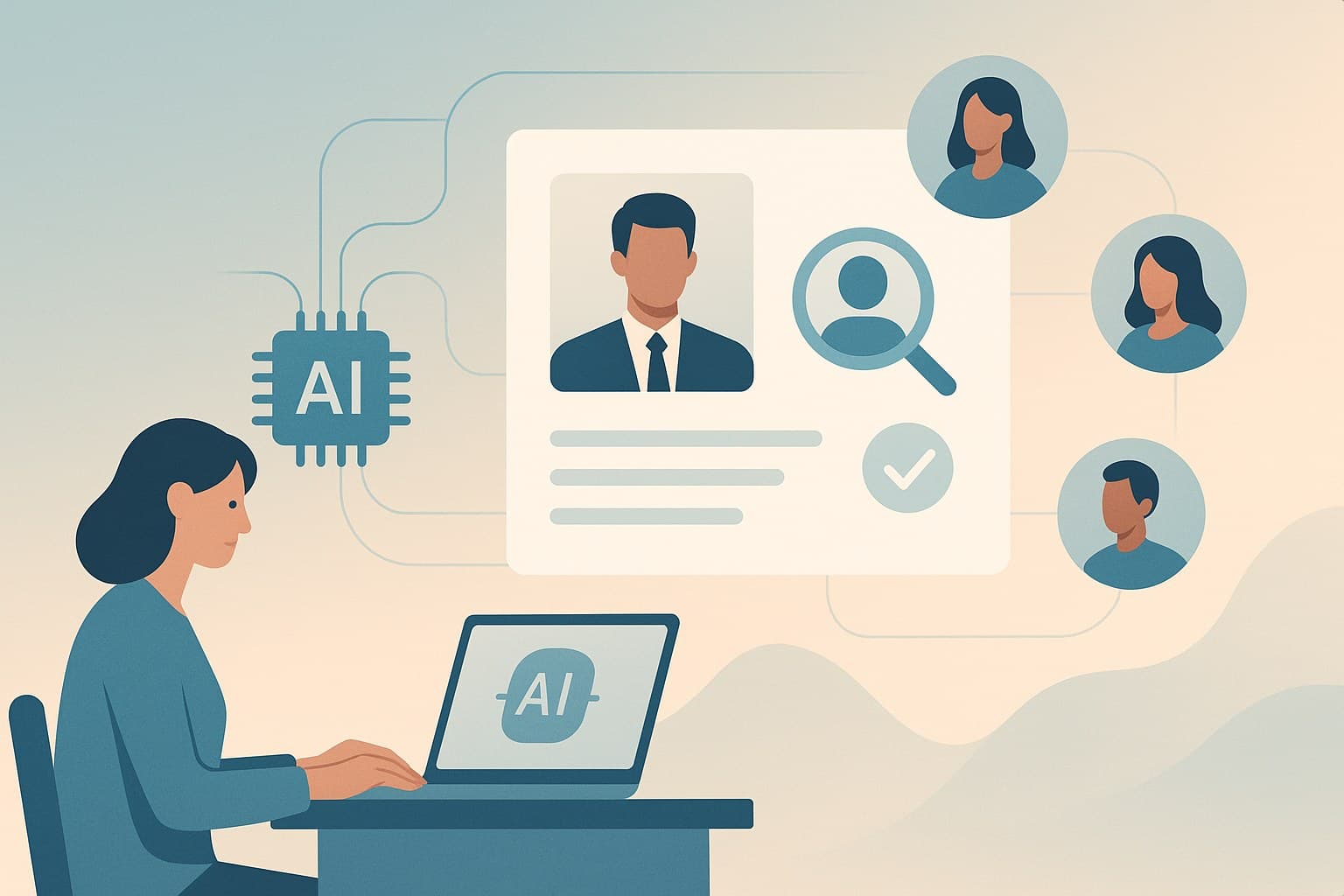
Leveraging AI Recruitment Platforms: A Strategic Guide for Business Decision-Makers and HR Leaders
In the rapidly evolving business landscape, AI recruitment platforms have emerged as transformative tools that help organizations streamline their hiring processes, enhance candidate experiences, and make data-driven decisions. For business decision-makers and HR leaders, understanding the strategic advantages and best practices of implementing these platforms is crucial to maintaining a competitive edge. This article explores the benefits, challenges, and strategic considerations of incorporating AI recruitment platforms into your organization's hiring strategy.
The Rise of AI in Recruitment
The integration of artificial intelligence in recruitment has revolutionized how companies source, evaluate, and onboard talent. Traditionally, recruitment has been a labor-intensive process involving numerous manual tasks, from reviewing resumes to scheduling interviews. AI recruitment platforms automate many of these processes, allowing HR teams to focus on strategic activities such as building relationships and improving employee engagement.
AI recruitment platforms utilize machine learning algorithms and natural language processing to analyze large volumes of data swiftly and accurately. This capability not only accelerates the recruitment process but also enhances the quality of hires by identifying candidates whose skills and experiences align closely with job requirements.
Benefits of AI Recruitment Platforms
-
Efficiency and Speed: One of the most significant advantages of AI recruitment platforms is their ability to drastically reduce the time-to-hire. Automation of repetitive tasks such as resume screening and initial candidate outreach allows HR teams to focus on high-value activities, resulting in faster decision-making and a more agile recruitment process.
-
Improved Candidate Matching: AI algorithms analyze candidate profiles and match them with job descriptions more precisely than traditional methods. This leads to better alignment between candidates' skills and job requirements, reducing turnover rates and improving job satisfaction.
-
Enhanced Candidate Experience: AI recruitment platforms facilitate a smoother and more engaging candidate journey. Features like chatbots and automated communications keep candidates informed and engaged throughout the process, enhancing their experience and perception of the company.
-
Data-Driven Insights: AI platforms generate valuable analytics and insights that inform recruitment strategies. By analyzing patterns and trends, HR leaders can make informed decisions about sourcing channels, candidate demographics, and process improvements.
-
Bias Reduction: AI recruitment platforms are designed to mitigate human biases in the hiring process. By focusing on data-driven criteria and competencies, these platforms help ensure a fairer and more inclusive hiring process.
Challenges in Implementing AI Recruitment Platforms
While the benefits are compelling, integrating AI recruitment platforms also presents several challenges that organizations need to address:
-
Data Privacy and Security: Handling sensitive candidate information requires robust data protection measures. Organizations must ensure that their AI recruitment platforms comply with data protection regulations and maintain high standards of data security.
-
Algorithmic Bias: Although AI can reduce human bias, it can also inadvertently perpetuate existing biases if not carefully managed. Ensuring that algorithms are trained on diverse data sets and regularly audited for fairness is critical.
-
Change Management: Transitioning to an AI-driven recruitment process requires a cultural shift within the organization. HR teams need training and support to adapt to new technologies and workflows.
-
Integration with Existing Systems: Seamless integration with existing HR systems and workflows is essential for maximizing the benefits of AI recruitment platforms. Organizations must assess compatibility and interoperability to avoid disruptions.
Strategic Considerations for Business Decision-Makers and HR Leaders
To successfully implement AI recruitment platforms, business decision-makers and HR leaders should consider the following strategic approaches:
-
Define Clear Objectives: Start by identifying the specific challenges and goals you aim to address with an AI recruitment platform. Whether it's reducing time-to-hire, improving candidate quality, or enhancing diversity, clear objectives will guide the selection and implementation process.
-
Select the Right Platform: Conduct thorough research to select a platform that aligns with your organization's needs and objectives. Consider factors such as scalability, user-friendliness, and vendor support.
-
Foster a Culture of Innovation: Encourage a culture that embraces technological innovation and change. Engage employees at all levels in the adoption process to ensure buy-in and smooth integration.
-
Invest in Training and Development: Equip your HR team with the necessary skills and knowledge to leverage AI tools effectively. Ongoing training and development will help your team stay updated with the latest advancements and best practices.
-
Monitor and Evaluate: Continuously monitor the performance of your AI recruitment platform. Use data analytics to evaluate its impact on recruitment metrics and make necessary adjustments to optimize results.
Conclusion
AI recruitment platforms are powerful tools that offer significant advantages for business decision-makers and HR leaders. By automating routine tasks, enhancing candidate matching, and providing data-driven insights, these platforms help organizations build more efficient and effective recruitment processes. However, successful implementation requires careful planning, a commitment to change management, and a strategic focus on organizational goals. As the recruitment landscape continues to evolve, leveraging AI technology will be key to attracting and retaining top talent in a competitive market.
Frequently Asked Questions
Key questions often raised by business leaders and HR teams:
What are AI recruitment platforms?
AI recruitment platforms are tools that use artificial intelligence to automate and enhance the hiring process, making it more efficient and data-driven.
What are the main benefits of using AI in recruitment?
The main benefits include increased efficiency, improved candidate matching, enhanced candidate experience, and data-driven insights for better decision-making.
How can organizations address challenges in implementing AI recruitment?
Organizations can address challenges by ensuring data privacy, managing algorithmic bias, providing adequate training, and integrating AI tools with existing systems.
What should HR leaders consider when selecting an AI recruitment platform?
HR leaders should define clear objectives, assess platform compatibility, and consider factors like scalability and vendor support.
How can AI recruitment platforms reduce bias in hiring?
AI recruitment platforms can reduce bias by focusing on data-driven criteria and competencies, ensuring a fairer and more inclusive hiring process.