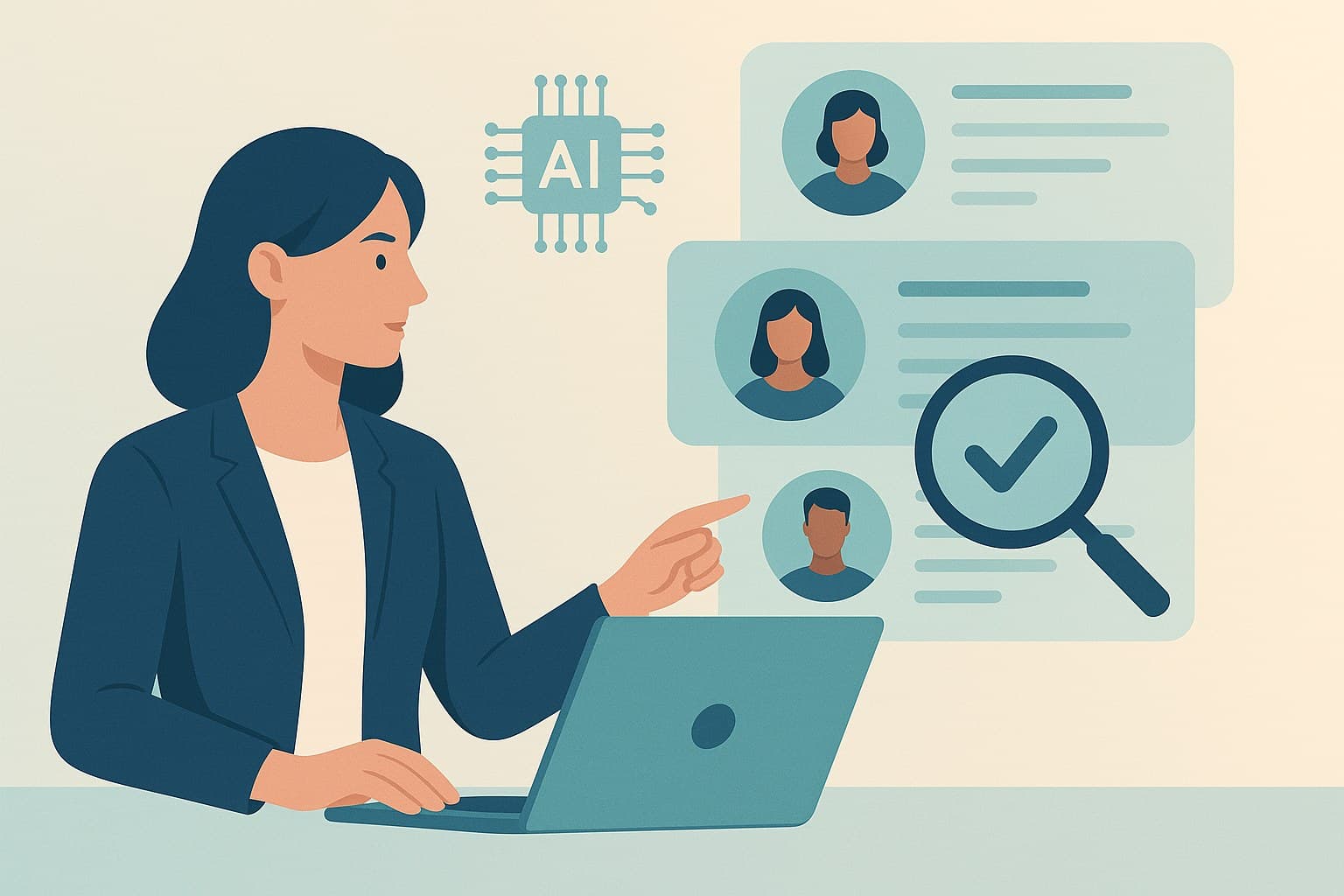
Harnessing the Power of AI in Recruitment: A Forensic Playbook for Decision Makers and HR Leaders
In today's competitive business environment, acquiring top talent is a critical factor for success. As organizations strive to enhance their recruitment processes, artificial intelligence (AI) has emerged as a transformative tool. This article explores how decision-makers and HR leaders can leverage AI to optimize hiring strategies, improve candidate experience, and make data-driven decisions. By adopting an AI hiring forensic playbook, businesses can ensure a fair, efficient, and effective recruitment process.
Understanding the Role of AI in Recruitment
AI technologies have revolutionized the recruitment landscape by automating repetitive tasks, analyzing vast amounts of data, and providing insights that would be impossible for humans to gather alone. From resume screening and candidate sourcing to interview scheduling and onboarding, AI can streamline every step of the hiring process. However, it's crucial for decision-makers to understand that AI should complement human judgment, not replace it.
Developing an AI Hiring Forensic Playbook
An AI hiring forensic playbook serves as a strategic guide for integrating AI tools into recruitment processes. It ensures that AI solutions are used ethically, effectively, and align with the organization's goals. Here are the key components of an AI hiring forensic playbook:
1. Assessment and Goal Setting
Before implementing AI, it's essential to assess the current recruitment process and identify areas for improvement. HR leaders should set clear objectives, such as reducing time-to-hire, improving candidate quality, or enhancing diversity. This step involves evaluating existing data, understanding candidate pain points, and aligning AI capabilities with organizational goals.
2. Selecting the Right AI Tools
The market is flooded with AI recruitment tools, each offering unique features. Decision-makers must choose solutions that fit their specific needs. Key considerations include the tool's ability to integrate with existing systems, scalability, user-friendliness, and compliance with legal and ethical standards. Engaging with vendors who demonstrate transparency in their AI algorithms is also crucial.
3. Ensuring Data Privacy and Security
AI systems rely on vast amounts of data, raising concerns about privacy and security. Organizations must implement robust data protection measures, comply with regulations like GDPR, and ensure that AI tools handle personal information ethically. Transparency in how data is collected, processed, and used is vital to maintain trust with candidates.
4. Bias Mitigation Strategies
AI algorithms can unintentionally perpetuate biases present in historical data. To ensure fairness, organizations should implement bias mitigation strategies. This involves regularly auditing AI systems for biased outcomes, training AI with diverse datasets, and involving a diverse team in the development and monitoring of AI tools. Continuous evaluation and adjustment are key to minimizing bias.
5. Enhancing Candidate Experience
AI can significantly enhance the candidate experience by providing personalized interactions and timely communication. Chatbots, for example, can answer candidate queries 24/7, while AI-driven assessments can offer instant feedback. Ensuring a seamless and positive experience for candidates not only helps attract top talent but also strengthens the employer brand.
6. Training and Change Management
Integrating AI into recruitment requires a cultural shift within the organization. HR teams should receive comprehensive training on using AI tools effectively. Change management strategies should be employed to address any resistance and ensure that employees understand the benefits of AI in recruitment. Encouraging a mindset of continuous learning and adaptation is essential.
7. Monitoring and Continuous Improvement
An AI hiring forensic playbook is not static; it requires regular updates and improvements. Decision-makers should establish metrics to evaluate the effectiveness of AI tools and continuously monitor their impact on recruitment outcomes. Feedback from HR teams and candidates should be used to refine processes and enhance the overall recruitment strategy.
The Future of AI in Recruitment
As AI technology continues to evolve, its potential in recruitment will only expand. Future advancements may include more sophisticated natural language processing, predictive analytics for talent retention, and AI-driven diversity and inclusion initiatives. Staying informed about emerging trends and innovations will allow organizations to maintain a competitive edge in talent acquisition.
Conclusion
For decision-makers and HR leaders, adopting an AI hiring forensic playbook is a strategic move towards optimizing recruitment processes. By understanding the role of AI, selecting the right tools, ensuring data privacy, mitigating biases, and enhancing the candidate experience, organizations can harness the power of AI to attract and retain top talent. As the recruitment landscape continues to evolve, those who effectively integrate AI into their hiring strategies will be well-positioned for success in the dynamic world of work.
Frequently Asked Questions
Key questions often raised by business leaders and HR teams:
What is an AI hiring forensic playbook?
An AI hiring forensic playbook is a strategic guide that helps organizations integrate AI tools into their recruitment processes effectively and ethically.
How can AI improve the candidate experience?
AI can enhance candidate experience by providing personalized interactions, timely communication, and instant feedback through tools like chatbots and AI-driven assessments.
What are the risks associated with using AI in recruitment?
Risks include data privacy concerns, potential biases in AI algorithms, and the need for robust data protection measures to comply with regulations like GDPR.
How can organizations mitigate bias in AI recruitment tools?
Organizations can mitigate bias by regularly auditing AI systems, training AI with diverse datasets, and involving a diverse team in the development and monitoring of AI tools.
Why is continuous improvement important in AI recruitment?
Continuous improvement ensures that AI tools remain effective and relevant, allowing organizations to adapt to changing recruitment needs and enhance overall hiring strategies.