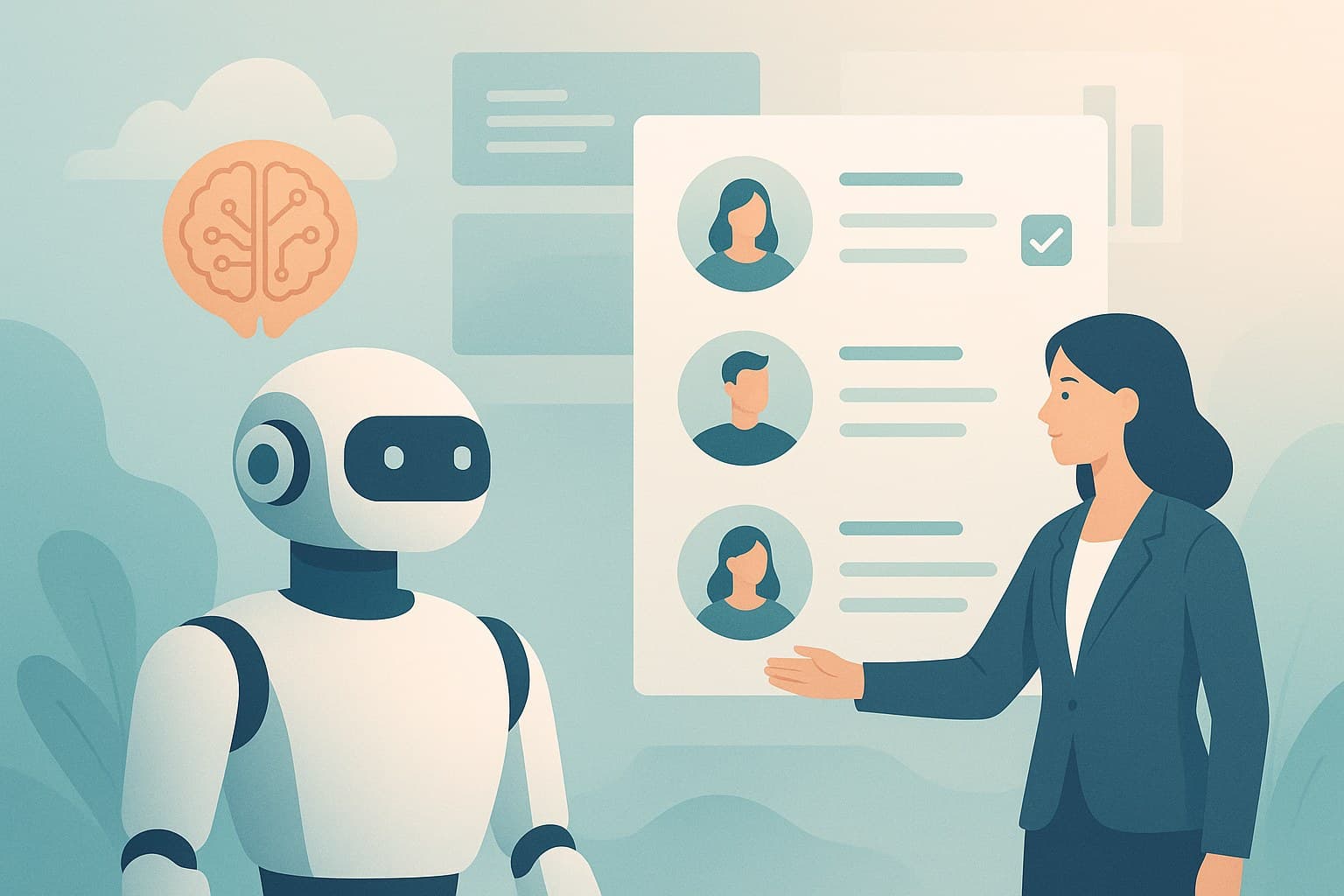
Optimizing Talent Acquisition: A Comprehensive Guide to AI Recruitment Vendor Collaboration for HR Leaders
In the rapidly evolving landscape of human resources, the integration of artificial intelligence (AI) into recruitment processes has moved from being a futuristic concept to a present-day necessity. For HR leaders and corporate decision-makers, leveraging AI recruitment vendors is a strategic move to enhance efficiency, improve candidate experiences, and streamline hiring processes. This article serves as a comprehensive guide for HR leaders to effectively collaborate with AI recruitment vendors, ensuring that the partnership yields the desired outcomes.
Understanding the Role of AI in Recruitment
AI technologies in recruitment primarily focus on automating repetitive tasks, enhancing decision-making processes, and providing data-driven insights. These capabilities allow HR teams to focus on strategic functions while ensuring a higher quality of hire. AI-powered tools can screen resumes, schedule interviews, engage candidates through chatbots, and even predict candidate success based on historical data.
Benefits of Collaborating with AI Recruitment Vendors
-
Efficiency and Speed: AI tools can process large volumes of applicant data at unprecedented speeds, significantly reducing the time-to-hire and allowing HR teams to focus on more strategic tasks.
-
Improved Candidate Experience: With AI chatbots and automated communication, candidates receive timely updates and feedback, enhancing their overall experience with the company.
-
Data-Driven Decisions: AI offers predictive analytics that help HR leaders make informed decisions by identifying the best-fit candidates based on specific metrics and historical data.
-
Bias Reduction: AI can help minimize unconscious biases in the recruitment process by relying on data-driven assessments rather than subjective judgments.
Checklist for Collaborating with AI Recruitment Vendors
To ensure a successful partnership with AI recruitment vendors, HR leaders should consider the following checklist:
-
Define Objectives and Needs: Clearly articulate the goals you aim to achieve with AI integration. Whether it’s reducing time-to-hire, improving candidate quality, or enhancing diversity, having defined objectives will guide the vendor selection process.
-
Vendor Evaluation: Conduct thorough research on potential vendors. Evaluate their expertise, technology capabilities, client testimonials, and case studies. It’s essential to select a vendor whose capabilities align with your organization’s goals.
-
Integration Capabilities: Assess how well the vendor’s technology integrates with your existing systems, such as Applicant Tracking Systems (ATS) and HR Management Systems (HRMS). Seamless integration is crucial for maximizing the benefits of AI tools.
-
Data Security and Compliance: Ensure that the vendor complies with data protection regulations such as GDPR, CCPA, or other relevant laws. Data privacy is paramount, and the vendor must have robust security measures in place.
-
Customization and Scalability: Choose a vendor that offers customizable solutions to fit your specific recruitment needs. Additionally, the vendor should be able to scale their offerings as your organization grows.
-
Training and Support: Evaluate the level of training and support the vendor provides. A smooth onboarding process and ongoing support are critical for maximizing the effectiveness of AI tools.
-
Performance Metrics: Establish clear performance metrics and KPIs to measure the success of the AI tools. Regularly assess these metrics to ensure that the technology is meeting your recruitment goals.
Collaborative Strategies for Successful Implementation
-
Cross-Functional Teams: Form cross-functional teams involving HR, IT, and other relevant departments to ensure a holistic approach to AI implementation. Collaboration among various teams can provide diverse perspectives and foster innovative solutions.
-
Continuous Feedback Loop: Establish a continuous feedback loop with the vendor to address any issues promptly and make necessary adjustments. Regular communication ensures that the AI tools evolve with your organization’s changing needs.
-
Candidate and Employee Feedback: Gather feedback from candidates and employees regarding their experience with the AI-driven recruitment process. This feedback can provide insights into areas for improvement and help enhance the overall recruitment strategy.
-
Stay Updated on AI Trends: Encourage HR teams to stay informed about the latest AI trends and advancements in recruitment technology. This knowledge can help in making informed decisions and keeping your organization at the forefront of recruitment innovation.
Overcoming Challenges in AI Recruitment Implementation
While AI offers numerous benefits, HR leaders may face challenges during implementation:
-
Resistance to Change: Employees may resist adopting new technologies. Address this by highlighting the benefits of AI and providing adequate training to ensure a smooth transition.
-
Ensuring Fairness: While AI can reduce bias, it’s essential to regularly audit AI systems to ensure fairness and transparency in decision-making processes.
-
Dependence on Data Quality: AI systems rely heavily on data. Ensure that your organization maintains high-quality, accurate data to maximize the effectiveness of AI tools.
Conclusion
Collaborating with AI recruitment vendors is a strategic move for HR leaders aiming to optimize their talent acquisition processes. By following a structured checklist and fostering a collaborative approach, organizations can harness the power of AI to achieve their recruitment goals. As AI technology continues to evolve, staying informed and adaptable will be key to maintaining a competitive edge in the dynamic landscape of talent acquisition.
Frequently Asked Questions
Key questions often raised by business leaders and HR teams:
What are the benefits of using AI in recruitment?
AI enhances efficiency by processing large volumes of data quickly, improves candidate experience through timely communication, and aids in making data-driven hiring decisions.
How can HR leaders ensure a successful partnership with AI vendors?
HR leaders should define clear objectives, evaluate vendor capabilities, ensure integration with existing systems, and establish performance metrics to measure success.
What challenges might arise when implementing AI in recruitment?
Challenges include resistance to change from employees, ensuring fairness in AI decision-making, and the need for high-quality data to maximize AI effectiveness.
How can organizations gather feedback on their AI recruitment processes?
Organizations can collect feedback from candidates and employees to identify areas for improvement and enhance the overall recruitment strategy.
Why is it important to stay updated on AI trends in recruitment?
Staying informed about AI trends helps HR teams make informed decisions and keeps the organization competitive in the evolving recruitment landscape.