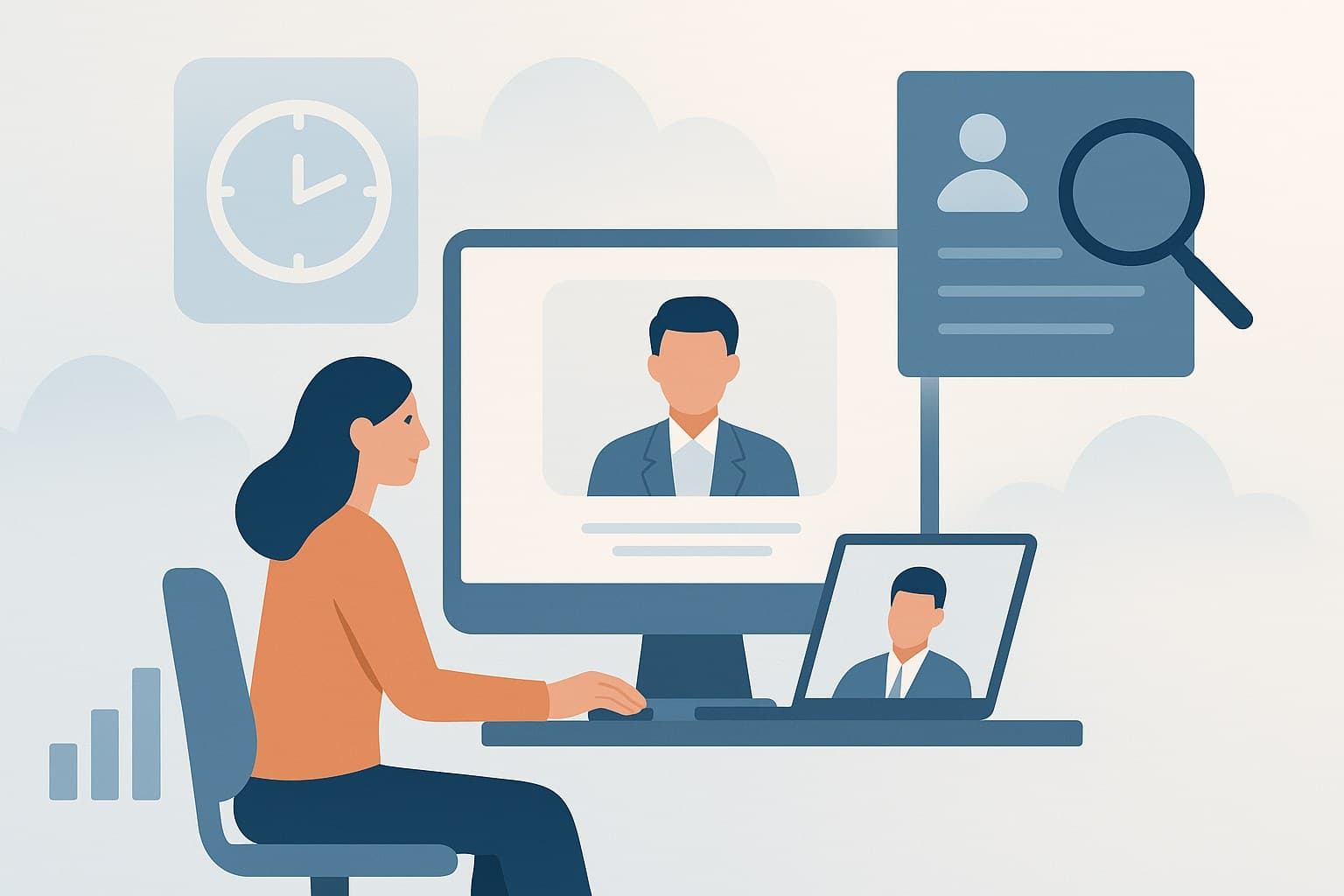
Leveraging AI Resume Analysis for an Internal Talent Marketplace: A Strategic Guide for Corporate Decision-Makers and HR Leaders
In today's rapidly evolving business environment, organizations are increasingly recognizing the importance of optimizing their internal talent. With the rise of remote work, global teams, and an ever-competitive labor market, the ability to effectively match existing employees to new internal opportunities can provide a significant strategic advantage. One of the most promising tools in this domain is AI-driven resume analysis, which can transform the internal talent marketplace and drive organizational success. This article explores how corporate decision-makers and HR leaders can leverage AI resume analysis to enhance their internal talent marketplace.
Understanding the Internal Talent Marketplace
An internal talent marketplace is a platform or system within an organization that facilitates the movement of employees across different roles, projects, or departments. It allows employees to find new opportunities within the company, thereby enhancing their career growth and satisfaction while enabling the organization to fill roles with already familiar talent. This system encourages a culture of mobility, agility, and continuous learning.
The Role of AI in Resume Analysis
AI resume analysis involves using artificial intelligence algorithms to automatically scan, interpret, and evaluate resumes. This technology goes beyond simple keyword matching to understand the context, skills, experiences, and potential of candidates. It can assess both structured data (like job titles and education) and unstructured data (like free-text descriptions of roles and achievements), providing a comprehensive view of an employee's capabilities.
Key Benefits of AI Resume Analysis
-
Efficiency and Speed: AI can process vast amounts of data far quicker than human recruiters. This speed is crucial in large organizations where thousands of resumes need to be analyzed to find suitable candidates for various roles.
-
Unbiased Assessment: By standardizing the evaluation process, AI helps reduce biases that might occur in manual assessments. This promotes diversity and inclusion by ensuring that all employees are assessed based on their skills and experience rather than subjective criteria.
-
Skill Gap Identification: AI can identify skill gaps within the organization by analyzing current employee skills against the needs of open positions. This enables targeted training and development programs.
-
Enhanced Employee Engagement: By making it easier for employees to find opportunities that match their skills and career aspirations, AI-driven marketplaces can significantly boost employee satisfaction and retention.
Implementing AI Resume Analysis in Your Organization
For corporate decision-makers and HR leaders looking to implement AI resume analysis, several steps are crucial:
1. Define Objectives and Metrics
Before implementing AI tools, it's important to define what success looks like. Are you looking to reduce time-to-fill for internal positions? Increase employee retention? Improve diversity in internal mobility? Establish clear metrics to evaluate the effectiveness of your AI initiative.
2. Select the Right Technology
Choose AI technology that aligns with your organization's needs and infrastructure. This might involve assessing various vendors or developing in-house solutions. Consider factors such as integration capabilities, scalability, and user-friendliness.
3. Data Privacy and Compliance
Ensure that your AI tools comply with relevant data protection regulations. Employees' personal data should be handled with care, and transparency about how their data is used is crucial for maintaining trust.
4. Change Management and Training
Introduce AI tools with a comprehensive change management strategy. Train HR personnel and managers on how to use these tools effectively and integrate them into existing processes. Communicate the benefits to employees to gain their support and participation.
5. Continuous Evaluation and Improvement
AI systems improve over time with more data and feedback. Regularly evaluate the outcomes of your AI-powered talent marketplace, gather feedback from users, and make necessary adjustments to improve its effectiveness.
Challenges and Considerations
While AI offers significant advantages, it also comes with challenges that need to be addressed:
-
Bias in Algorithms: While AI can reduce human bias, it can also introduce new biases if the algorithms are not well-designed. It's crucial to regularly audit AI systems for fairness and accuracy.
-
Employee Acceptance: Employees may be skeptical about AI-driven systems. It's important to communicate transparently about how AI is used and how it benefits employees.
-
Integration with Existing Systems: AI tools need to be integrated smoothly with existing HR systems to be effective. This can require significant IT resources and planning.
Conclusion
AI resume analysis has the potential to revolutionize internal talent marketplaces by making it easier, faster, and fairer to match employees with the right opportunities. For corporate decision-makers and HR leaders, investing in AI-driven talent management can enhance organizational agility, employee satisfaction, and overall performance. By carefully implementing and managing these technologies, organizations can unlock the full potential of their internal talent pools, positioning themselves for sustained success in an increasingly competitive business landscape.
Frequently Asked Questions
Key questions often raised by business leaders and HR teams:
What is AI resume analysis?
AI resume analysis uses artificial intelligence to evaluate resumes, assessing skills, experiences, and potential beyond simple keyword matching.
How can AI improve internal mobility?
AI can match employees to suitable roles quickly, identify skill gaps, and enhance employee engagement by facilitating career growth opportunities.
What challenges come with implementing AI in HR?
Challenges include potential biases in algorithms, employee acceptance, and the need for smooth integration with existing HR systems.