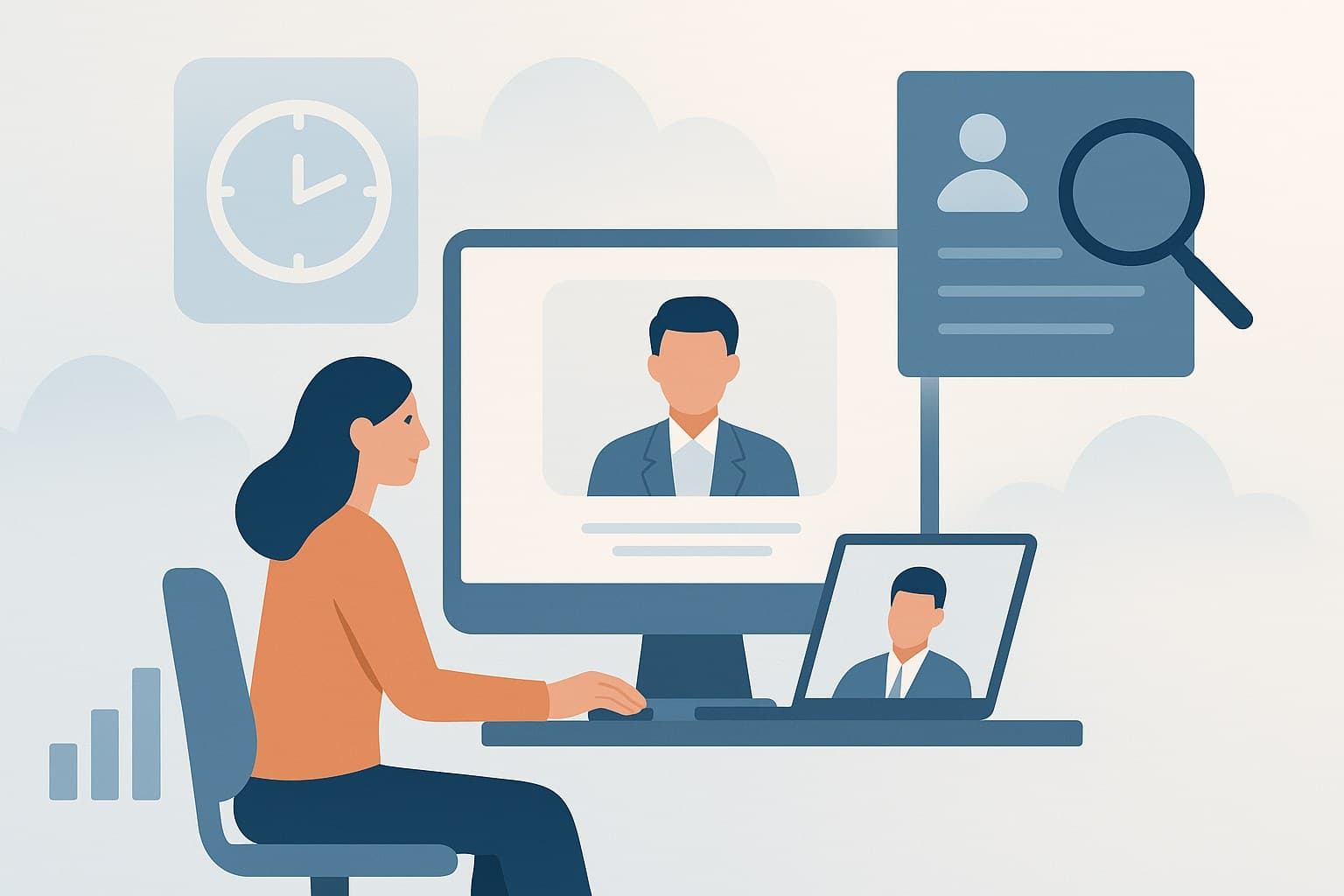
Leveraging AI for Resume Analysis: Unlocking the Power of Transferable Skills
In today's rapidly evolving business environment, the ability to adapt and pivot is more important than ever. Companies are continually seeking candidates who not only possess the technical skills for a specific role but also bring a broader set of transferable skills that can be applied across various functions and roles. Transferable skills—such as leadership, communication, problem-solving, and adaptability—are crucial for fostering innovation and driving growth. However, identifying these skills during the recruitment process can be challenging. This is where AI-powered resume analysis comes into play, offering a transformative solution for HR leaders and decision-makers.
The Rise of AI in Recruitment
Artificial Intelligence (AI) has revolutionized many aspects of business operations, and recruitment is no exception. Traditional recruitment methods often rely heavily on manual screening processes, which can be time-consuming and subject to human biases. AI, on the other hand, offers a more efficient, data-driven approach to talent acquisition. By leveraging AI technologies, organizations can streamline their recruitment processes, improve candidate matching, and make more informed hiring decisions.
AI-powered resume analysis tools are designed to parse through vast amounts of data at lightning speed, identifying key qualifications and experiences that align with job requirements. These tools use natural language processing (NLP) and machine learning algorithms to assess resumes more comprehensively than human recruiters might be able to do, especially when dealing with large volumes.
Understanding Transferable Skills
Transferable skills are those that can be applied in a variety of roles and industries. Unlike technical skills, which are specific to a particular job or field, transferable skills are versatile and can enhance an individual's ability to perform in different contexts. Some common transferable skills include:
- Communication: The ability to convey information clearly and effectively.
- Leadership: The capability to guide, influence, and inspire others.
- Problem-Solving: The aptitude for analyzing situations and developing solutions.
- Adaptability: The capacity to adjust to new conditions and challenges.
- Teamwork: The ability to work collaboratively with others towards a common goal.
These skills are invaluable in today's workplace, where roles and responsibilities are constantly shifting. Employees equipped with strong transferable skills can more easily transition between tasks, departments, and even industries, making them highly valuable assets to any organization.
AI's Role in Identifying Transferable Skills
AI resume analysis tools excel at identifying transferable skills by analyzing language patterns and contextual cues within resumes. These tools can assess an individual's experience and accomplishments to infer the presence of transferable skills. For example, an AI system might identify leadership skills in a candidate who has successfully managed projects or teams, even if their previous roles were not explicitly labeled as managerial positions.
Moreover, AI tools can evaluate soft skills by looking for evidence of these traits in descriptions of past experiences. For instance, phrases like "led a cross-functional team," "resolved customer complaints," or "adapted to changing market conditions" can indicate strong leadership, problem-solving, and adaptability skills, respectively.
Benefits of AI-Driven Resume Analysis for HR Leaders
-
Efficiency and Speed: AI systems can process thousands of resumes in a fraction of the time it would take a human recruiter, significantly reducing time-to-hire and allowing HR professionals to focus on strategic decision-making.
-
Unbiased Evaluation: By removing human biases, AI ensures a fairer evaluation process. It assesses candidates based on their skills and qualifications rather than subjective factors, promoting diversity and inclusion.
-
Enhanced Candidate Matching: AI tools provide more accurate matches between candidates and job openings by considering both technical and transferable skills, leading to better job performance and satisfaction.
-
Data-Driven Insights: AI provides valuable insights into the talent pool, helping HR leaders identify trends, gaps, and opportunities in workforce planning and development.
-
Future-Ready Workforce: By focusing on transferable skills, organizations can build a more agile workforce capable of thriving in a fast-changing environment.
Challenges and Considerations
While AI offers significant advantages, it's essential for HR leaders to be mindful of potential challenges. Data privacy and security are paramount, as handling sensitive candidate information requires stringent measures to protect against breaches. Additionally, AI tools should be continually monitored and updated to ensure they remain free from biases and accurately reflect the organization's values and goals.
Conclusion
AI-powered resume analysis represents a paradigm shift in how organizations approach talent acquisition. By focusing on transferable skills, companies can unlock the full potential of their workforce, fostering a culture of adaptability and innovation. HR leaders and decision-makers who embrace these technologies will be better positioned to navigate the complexities of the modern labor market, ensuring their organizations not only survive but thrive in an ever-changing world. As we continue to integrate AI into our recruitment processes, the emphasis on transferable skills will undoubtedly become a cornerstone of successful talent management strategies.
Frequently Asked Questions
Key questions often raised by business leaders and HR teams:
What are transferable skills?
Transferable skills are versatile abilities that can be applied across different roles and industries, such as communication, leadership, and problem-solving.
How does AI improve the recruitment process?
AI enhances recruitment by streamlining resume screening, reducing biases, and providing data-driven insights for better candidate matching.
What challenges come with AI in recruitment?
Challenges include data privacy concerns and the need for ongoing monitoring to prevent biases in AI tools.
Why are transferable skills important?
They allow employees to adapt to various roles and challenges, making them valuable assets in a dynamic work environment.
Can AI identify soft skills in resumes?
Yes, AI tools can analyze language patterns and contextual clues to infer the presence of soft skills from candidates' experiences.