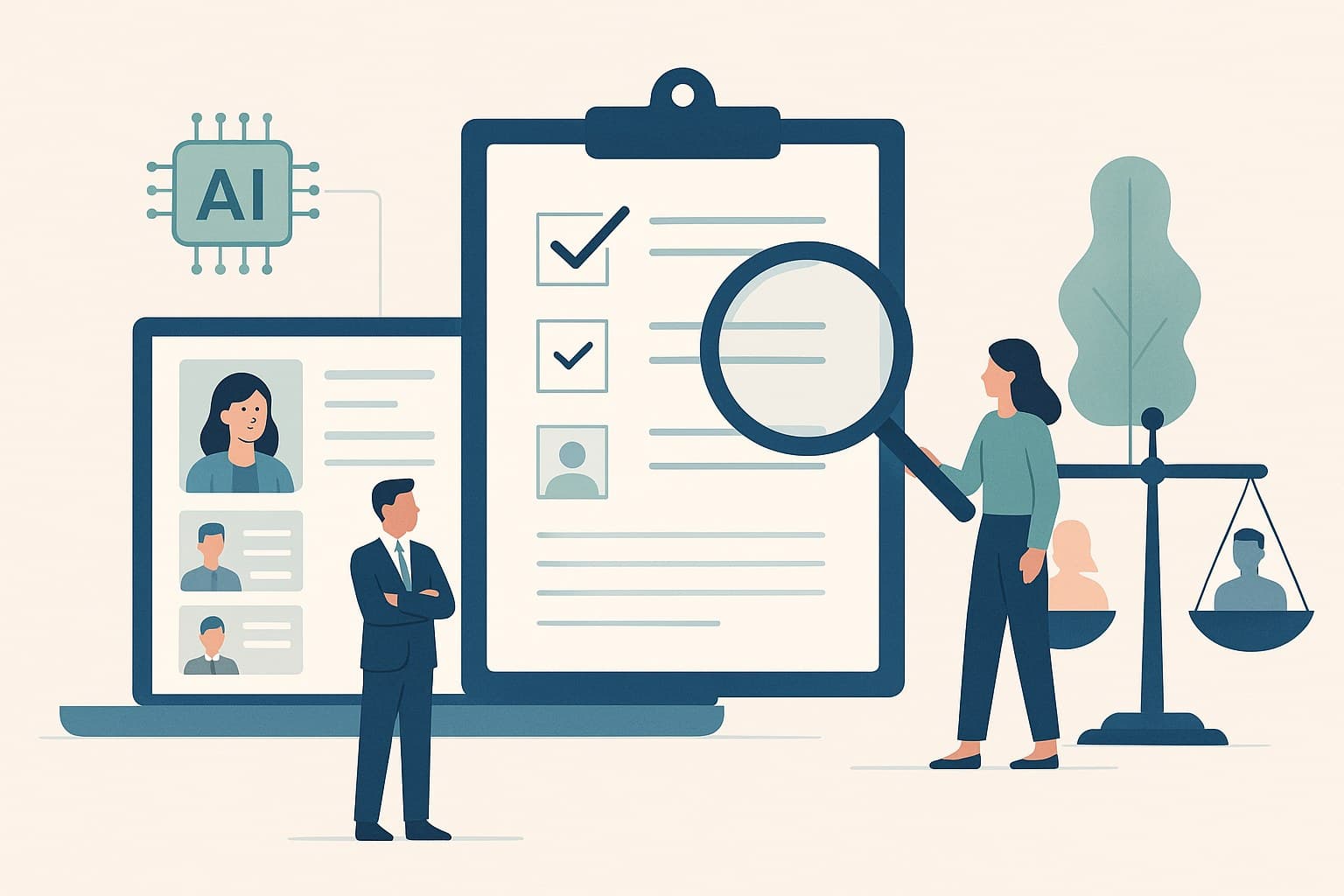
Title: Enhancing Recruitment Integrity: Leveraging AI Forensic Tools for Resume Fraud Detection
Introduction
In an era where competition for top talent is fierce and the pressure to fill roles swiftly is high, organizations face a growing challenge: resume fraud. The embellishment or fabrication of qualifications on resumes has become increasingly common, posing significant risks to businesses. To combat this issue, companies are turning to advanced solutions like AI forensic tools designed specifically for resume fraud detection. This article explores how these technologies can enhance the integrity of recruitment processes, enabling HR leaders and decision-makers to make more informed hiring choices.
The Rising Threat of Resume Fraud
The traditional methods of verifying candidate information, such as manual reference checks and background screenings, are not only time-consuming but also prone to human error. As the volume of job applications increases, these methods become less sustainable. This is where AI forensic tools come into play, offering a more efficient and accurate approach to detecting resume fraud.
AI Forensic Tools: A New Frontier in Fraud Detection
AI forensic tools utilize machine learning algorithms and natural language processing to analyze resumes with a level of precision unattainable by human reviewers. These tools can sift through vast amounts of data to identify inconsistencies and anomalies in a candidate's profile. Here are some key capabilities of AI-driven resume fraud detection:
-
Pattern Recognition: AI systems are adept at recognizing patterns in data. By analyzing historical data, these tools can identify common indicators of fraud, such as unexplained gaps in employment, frequent job changes, or discrepancies between job titles and responsibilities.
-
Cross-Verification: AI tools can cross-reference information provided in resumes with publicly available data, such as LinkedIn profiles, online portfolios, and academic databases. This cross-verification process helps confirm the authenticity of a candidate's claims.
-
Anomaly Detection: Machine learning algorithms can detect anomalies that may indicate fraudulent behavior. For example, if a candidate claims a rapid career progression that is statistically unusual, the system flags it for further investigation.
-
Language Analysis: Natural language processing allows AI tools to analyze the language used in resumes. They can identify hyperbolic language or vague descriptions that often accompany fraudulent claims.
Benefits for HR Leaders and Decision-Makers
Implementing AI forensic tools in the recruitment process offers several advantages for HR leaders and decision-makers:
-
Enhanced Accuracy: AI tools provide a higher level of accuracy in detecting fraudulent claims compared to manual methods. This ensures that only qualified and honest candidates are shortlisted, reducing the risk of a bad hire.
-
Time and Cost Efficiency: Automating the fraud detection process significantly reduces the time and resources spent on verifying candidate information. This allows HR teams to focus on strategic tasks, such as candidate engagement and talent development.
-
Improved Compliance and Risk Management: By ensuring that all candidates undergo a rigorous verification process, companies can better comply with industry regulations and reduce the risk of legal complications arising from negligent hiring practices.
-
Enhanced Employer Brand: Demonstrating a commitment to integrity and fairness in recruitment enhances an organization's reputation as an employer. This can attract top talent who value ethical practices and a transparent hiring process.
Challenges and Considerations
While AI forensic tools offer significant benefits, their implementation is not without challenges. Decision-makers should consider the following:
-
Data Privacy: Ensuring compliance with data protection regulations is crucial when using AI tools that process personal information. Organizations must establish clear policies for data handling and storage.
-
Integration with Existing Systems: Seamless integration with current HR systems is essential for maximizing the effectiveness of AI forensic tools. This may require investing in compatible technology or customizing existing platforms.
-
Continuous Learning and Adaptation: AI models must be regularly updated to adapt to new fraud tactics and maintain their effectiveness. This requires ongoing investment in technology and expertise.
-
Human Oversight: While AI can significantly enhance fraud detection, human oversight remains important. HR professionals should review flagged cases to ensure that decisions are fair and unbiased.
Conclusion
In the battle against resume fraud, AI forensic tools represent a powerful ally for HR leaders and decision-makers. By leveraging advanced technologies, organizations can enhance the integrity of their recruitment processes, safeguard their reputation, and ultimately, build a more competent and trustworthy workforce. As the landscape of talent acquisition continues to evolve, embracing AI-driven solutions will be key to staying ahead in the quest for authentic and qualified talent.
Frequently Asked Questions
Key questions often raised by business leaders and HR teams:
What are AI forensic tools?
AI forensic tools are advanced technologies that use machine learning and natural language processing to detect inconsistencies and fraud in resumes.
How do AI tools improve the recruitment process?
AI tools enhance accuracy, save time, and reduce costs by automating the verification of candidate information, ensuring only qualified candidates are shortlisted.
What challenges come with implementing AI forensic tools?
Challenges include data privacy concerns, integration with existing HR systems, and the need for continuous learning to adapt to new fraud tactics.
Why is human oversight important in AI fraud detection?
Human oversight ensures that flagged cases are reviewed fairly and without bias, maintaining the integrity of the hiring process.
Can AI tools help improve employer branding?
Yes, using AI tools for fraud detection demonstrates a commitment to ethical hiring practices, which can enhance an organization's reputation and attract top talent.