
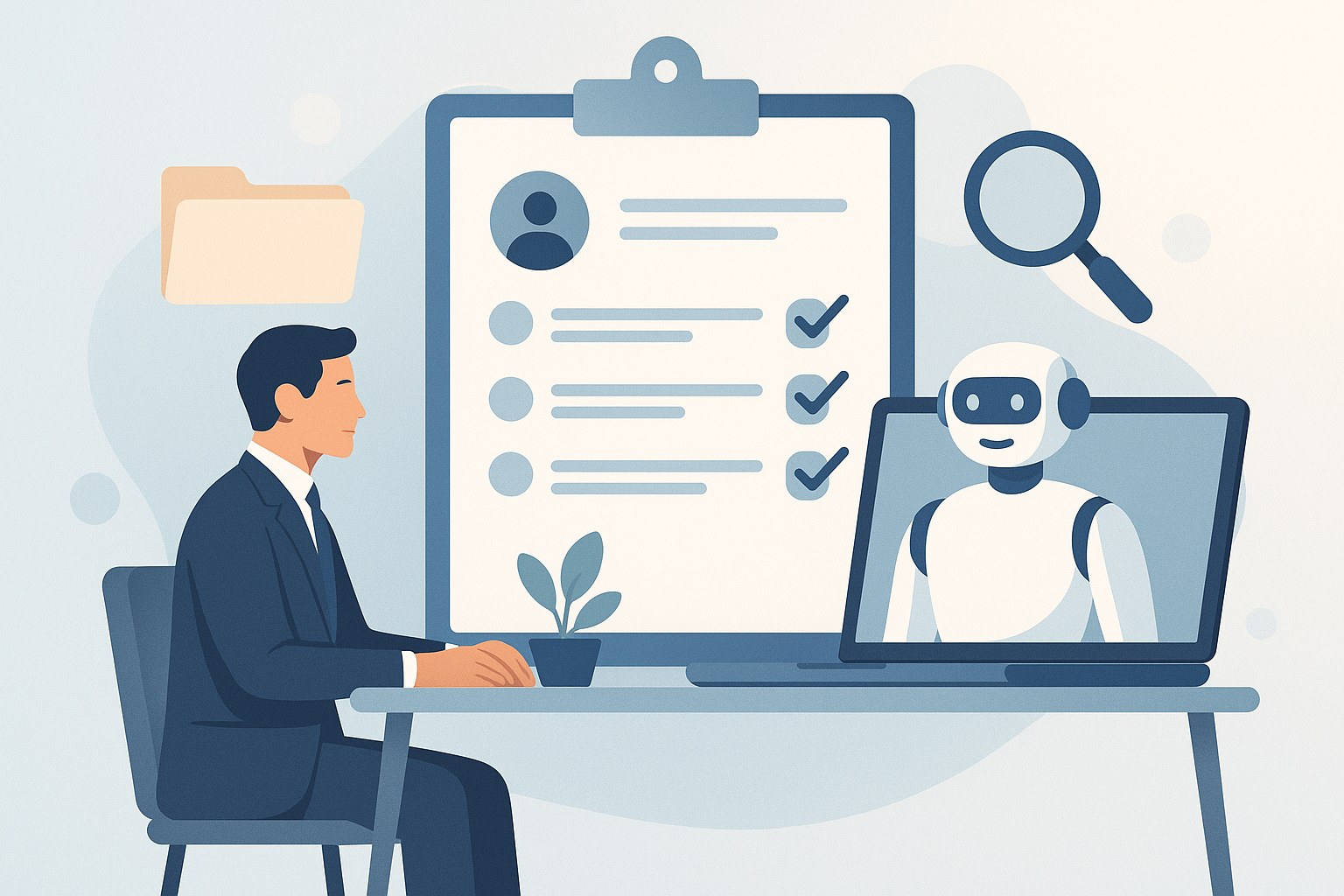
Screening Time vs Selection Accuracy: The Impact of AI Resume Parser
In today's fast-paced world, finding the right candidate for a job can be a daunting task for recruiters. With hundreds of resumes flooding in for a single job opening, the traditional manual screening process can be time-consuming and inefficient. This is where AI resume parser comes in, promising to streamline the screening process and improve the selection accuracy. But how effective is it in comparison to manual screening? In this article, we will delve deeper into the impact of AI resume parser on screening time and selection accuracy, based on extensive research.
The Rise of AI in Recruitment
Before we dive into the comparison, let's first understand the role of AI in recruitment. With advancements in technology, AI has made its way into the recruitment process, promising to make it more efficient and effective. AI-based tools, such as resume parsers, use algorithms and machine learning to analyze and extract information from resumes, making it easier for recruiters to review and shortlist candidates.
The Broken Promise of Traditional Sifting
Before the rise of sophisticated AI, recruitment was often reliant on two methods: manual screening and filtering. However, these methods have proven to be ineffective and inefficient, leading to the rise of AI-based tools. Traditional sifting involves manually going through each and every resume, which is not only time-consuming but also prone to human error. On the other hand, filtering resumes based on keywords can lead to overlooking qualified candidates who may not have included the exact keywords in their resume.
The Impact of AI Resume Parser on Screening Time
One of the biggest selling points of AI resume parser is its ability to drastically reduce the screening time. According to a study conducted by HireMore.ai, an AI-based recruitment platform, traditional manual screening can take up to 3 months to shortlist candidates for a single job opening. On the other hand, AI resume parser can shorten this process to just 2 weeks, which is up to 85% less screening time. This means that recruiters can review a larger pool of candidates in a shorter amount of time, making the recruitment process more efficient and effective.
Furthermore, AI resume parser can also significantly reduce the time spent on cross-timezone and cross-language interviews. With the ability to analyze and translate resumes in multiple languages, recruiters can easily schedule and conduct interviews with candidates from different parts of the world. This not only saves time but also expands the pool of potential candidates for a job opening.
The Impact of AI Resume Parser on Selection Accuracy
While reducing screening time is important, the ultimate goal of any recruitment process is to find the right candidate for the job. This is where the accuracy of AI resume parser comes into question. According to HireMore.ai, AI resume parser has an accuracy rate of 80%, compared to just 50% for manual screening. This means that AI resume parser is able to accurately match candidates' skills and qualifications with the job description, making it easier for recruiters to shortlist the most suitable candidates.
Moreover, AI resume parser also takes into account soft skills, which are often overlooked in traditional manual screening. By analyzing the context of the surrounding verbs and nouns in the resume, AI resume parser can identify and flag soft skills, such as communication and problem-solving abilities, which are crucial for job success. This not only improves the selection accuracy but also provides a more holistic view of the candidate.
Standardizing Varied Data and Ensuring Fairness
Another advantage of AI resume parser is its ability to standardize and compare data from different resumes. With traditional manual screening, it can be challenging for recruiters to compare candidates' qualifications and skills, as each resume may be presented in a different format. AI resume parser solves this issue by standardizing the data, making it easier for recruiters to compare and evaluate candidates.
Moreover, AI resume parser also helps ensure fairness in the recruitment process. By using algorithms and machine learning, AI resume parser eliminates human bias and makes decisions based on data. This not only ensures equal opportunities for all candidates but also helps companies stay compliant with hiring regulations.
The Role of MIND Interview in AI-based Recruitment
As mentioned earlier, AI resume parser is just one of the many AI-based tools used in recruitment. Another important aspect of AI-based recruitment is asynchronous AI video interviews, which are offered by MIND Interview. As an enterprise-grade AI recruitment platform, MIND Interview offers a combination of AI resume analysis and structured asynchronous AI video interviews, under the AI Verify governance. This not only saves time but also raises the match quality of candidates.
With MIND Interview, recruiters can conduct 24/7 asynchronous AI video interviews with candidates, which are scored on expression, tone, logic, and structure. This provides a more in-depth evaluation of candidates, helping recruiters make more informed decisions. Additionally, visualized candidate reports, such as the 5-dimension radar and Big Five traits, provide a comprehensive overview of the candidate's skills and abilities, making it easier for recruiters to compare and evaluate candidates.
Moreover, MIND Interview also offers one-click report translation between languages, which is especially beneficial for multilingual hiring teams. With the ability to translate reports in just one click, recruiters can easily share and collaborate with team members from different parts of the world.
Conclusion
In conclusion, AI resume parser has proven to be a game-changer in the recruitment process. With its ability to significantly reduce screening time and improve selection accuracy, it has become an essential tool for recruiters. Furthermore, with the integration of tools like MIND Interview, AI-based recruitment has become more efficient, effective, and fair. As technology continues to advance, we can expect to see even more sophisticated AI-based tools in the recruitment process, making it easier for companies to find the right talent for their organization.
Are you tired of spending countless hours on manual resume screening? Try MIND Interview today and experience the efficiency and accuracy of AI-based recruitment. Sign up now at https://www.mind-interview.com/en/.
Frequently Asked Questions
Key questions often raised by business leaders and HR teams:
What is an AI resume parser?
An AI resume parser is a tool that uses algorithms and machine learning to analyze resumes, extracting relevant information to assist recruiters in the hiring process.
How does AI resume parsing improve selection accuracy?
AI resume parsers have shown an accuracy rate of 80%, effectively matching candidates' skills with job descriptions and identifying soft skills that may be overlooked in manual screening.
What are the time-saving benefits of using AI resume parsers?
AI resume parsers can reduce the screening time from months to weeks, allowing recruiters to review more candidates efficiently and conduct interviews across different time zones.
Can AI resume parsers help eliminate bias in recruitment?
Yes, AI resume parsers standardize data and make decisions based on algorithms, helping to eliminate human bias and ensure fairness in the hiring process.
What additional tools complement AI resume parsers in recruitment?
Asynchronous AI video interviews, like those offered by MIND Interview, complement AI resume parsers by providing in-depth candidate evaluations and facilitating multilingual hiring.