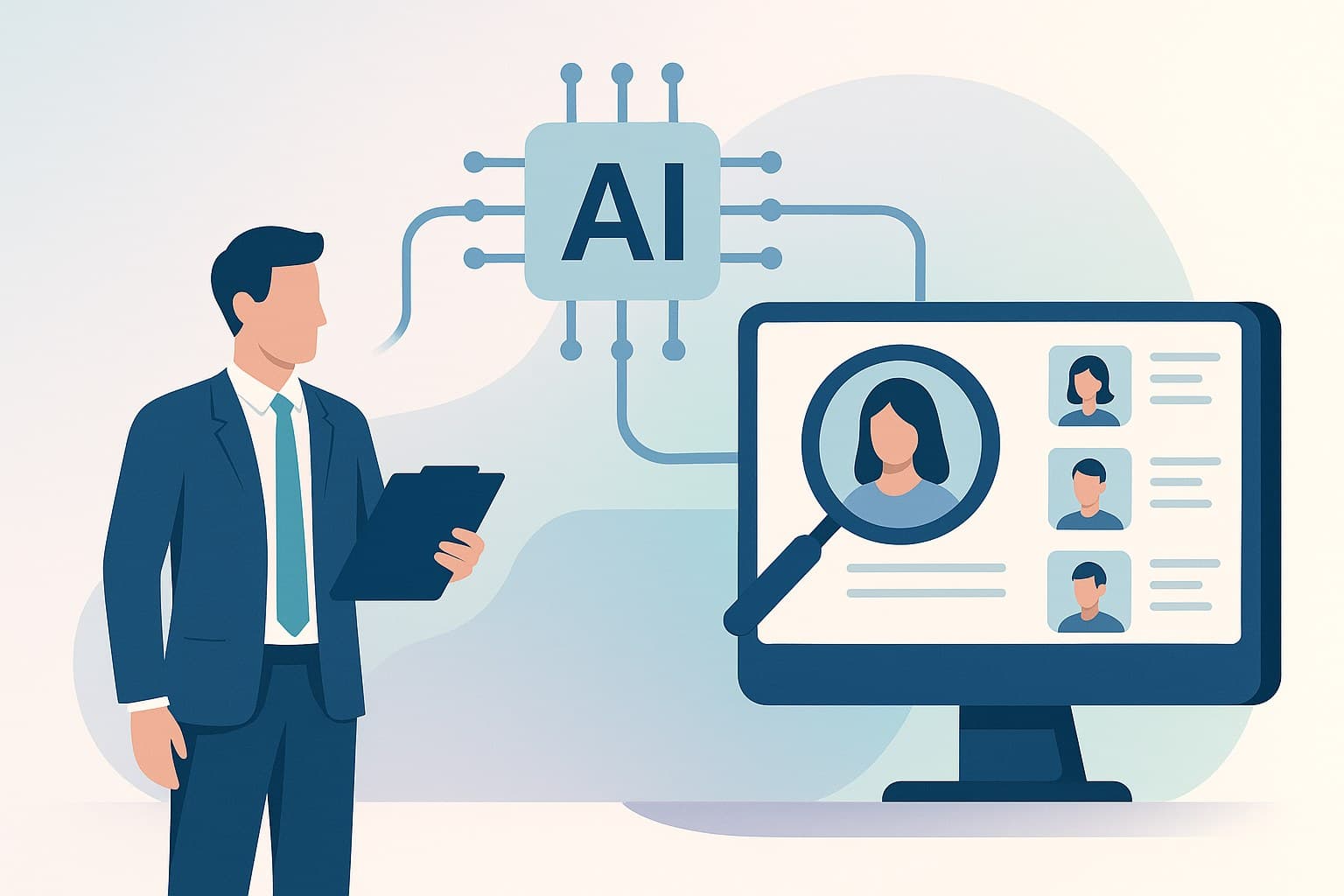
Integrating AI Resume Ranking and Skills Assessment: Revolutionizing Talent Acquisition for HR Leaders
In the rapidly evolving landscape of talent acquisition, organizations are constantly seeking innovative solutions to enhance their recruitment processes. The integration of AI-driven resume ranking and skills assessment tools offers a transformational approach that can significantly improve the efficiency and effectiveness of hiring strategies. For HR leaders and decision-makers, understanding the benefits and implementation of these AI technologies is crucial for maintaining a competitive edge in the marketplace.
The Evolution of Recruitment Challenges
Recruitment has always been a complex and resource-intensive process. Traditionally, HR professionals have relied on manual methods for screening resumes and assessing candidate skills. However, the exponential growth of job applications and the increasing demand for specialized skills have made these conventional methods inadequate. This has led to three primary challenges:
-
Volume Overload: With the advent of online job portals, companies now receive hundreds, if not thousands, of applications for a single job posting. Manually sifting through this volume is time-consuming and prone to human error.
-
Skill Mismatch: Many resumes do not accurately reflect a candidate's true capabilities. Consequently, candidates may appear qualified on paper but lack the necessary skills in practice.
-
Bias in Hiring: Human biases, whether conscious or unconscious, can influence hiring decisions, leading to a lack of diversity and inclusion within the workforce.
AI Resume Ranking: A Game Changer
AI resume ranking systems leverage machine learning algorithms to automate the initial screening process. These systems are designed to analyze resumes based on predefined criteria such as education, experience, and specific skills. Here are some key benefits:
-
Efficiency and Speed: AI systems can process thousands of resumes in a fraction of the time it would take a human recruiter. This allows HR teams to focus on more strategic tasks rather than getting bogged down by administrative duties.
-
Accuracy and Consistency: By eliminating human bias, AI tools provide a more objective evaluation of candidates. They ensure that each resume is assessed against the same criteria, maintaining consistency in the hiring process.
-
Enhanced Candidate Experience: Faster response times and streamlined application processes lead to a better experience for candidates, improving the company's reputation as an employer of choice.
Skills Assessment Integration: Ensuring Competence
While resume ranking helps shortlist candidates, skills assessment tools ensure that these candidates possess the necessary abilities to excel in their roles. Modern AI-driven skills assessments can evaluate a wide range of competencies, from technical skills to soft skills like communication and problem-solving.
-
Tailored Assessments: AI can customize assessments based on job requirements, ensuring that candidates are tested on relevant skills. This targeted approach increases the likelihood of selecting candidates who are truly fit for the role.
-
Real-Time Feedback: Automated skills assessments provide immediate feedback to both candidates and recruiters. This transparency helps candidates understand their strengths and areas for improvement, while recruiters gain insights into the candidate's potential.
-
Predictive Analytics: By analyzing assessment data, AI tools can predict a candidate's future performance and cultural fit within the organization, aiding in more informed hiring decisions.
Implementing AI Technologies in Recruitment
For HR leaders considering the integration of AI resume ranking and skills assessment tools, a strategic approach is essential. Here are some steps to guide successful implementation:
-
Define Objectives: Clearly outline what you aim to achieve with AI integration. Whether it's reducing time-to-hire, improving candidate quality, or enhancing diversity, having specific goals will guide the process.
-
Select the Right Tools: Research and choose AI solutions that align with your organizational needs. Consider factors such as scalability, ease of use, and compatibility with existing HR systems.
-
Data Privacy and Ethics: Ensure that AI tools comply with data protection regulations and ethical standards. Transparency with candidates about how their data will be used is crucial for maintaining trust.
-
Training and Change Management: Equip your HR team with the necessary skills to leverage AI tools effectively. Change management strategies should be in place to facilitate a smooth transition and address any resistance to new technologies.
-
Continuous Evaluation and Improvement: Regularly assess the impact of AI tools on your recruitment processes. Use analytics to identify areas for improvement and adapt strategies as necessary.
The Future of AI in Talent Acquisition
As AI technologies continue to evolve, their role in talent acquisition will only become more pronounced. Future advancements may include more sophisticated algorithms that can evaluate emotional intelligence, creativity, and other complex traits. Moreover, AI could facilitate more personalized candidate experiences, matching individuals with roles that align with their career aspirations and values.
For HR leaders, staying ahead of these trends is imperative. By embracing AI-driven resume ranking and skills assessment tools, organizations can not only streamline their recruitment processes but also build a more capable, diverse, and engaged workforce. In doing so, they position themselves as forward-thinking leaders in a competitive business environment.
Frequently Asked Questions
Key questions often raised by business leaders and HR teams:
What is AI resume ranking?
AI resume ranking uses machine learning algorithms to automate the screening of resumes based on predefined criteria, improving efficiency and reducing bias.
How does skills assessment benefit recruitment?
Skills assessments ensure candidates possess the necessary abilities for the role, providing tailored evaluations and real-time feedback.
What should HR leaders consider when implementing AI tools?
HR leaders should define clear objectives, select appropriate tools, ensure data privacy, and prepare their teams for the transition to AI technologies.
Can AI improve diversity in hiring?
Yes, AI tools can help eliminate human biases in the hiring process, promoting a more diverse and inclusive workforce.
What is the future of AI in talent acquisition?
The future may involve sophisticated algorithms that assess emotional intelligence and creativity, enhancing personalized candidate experiences.