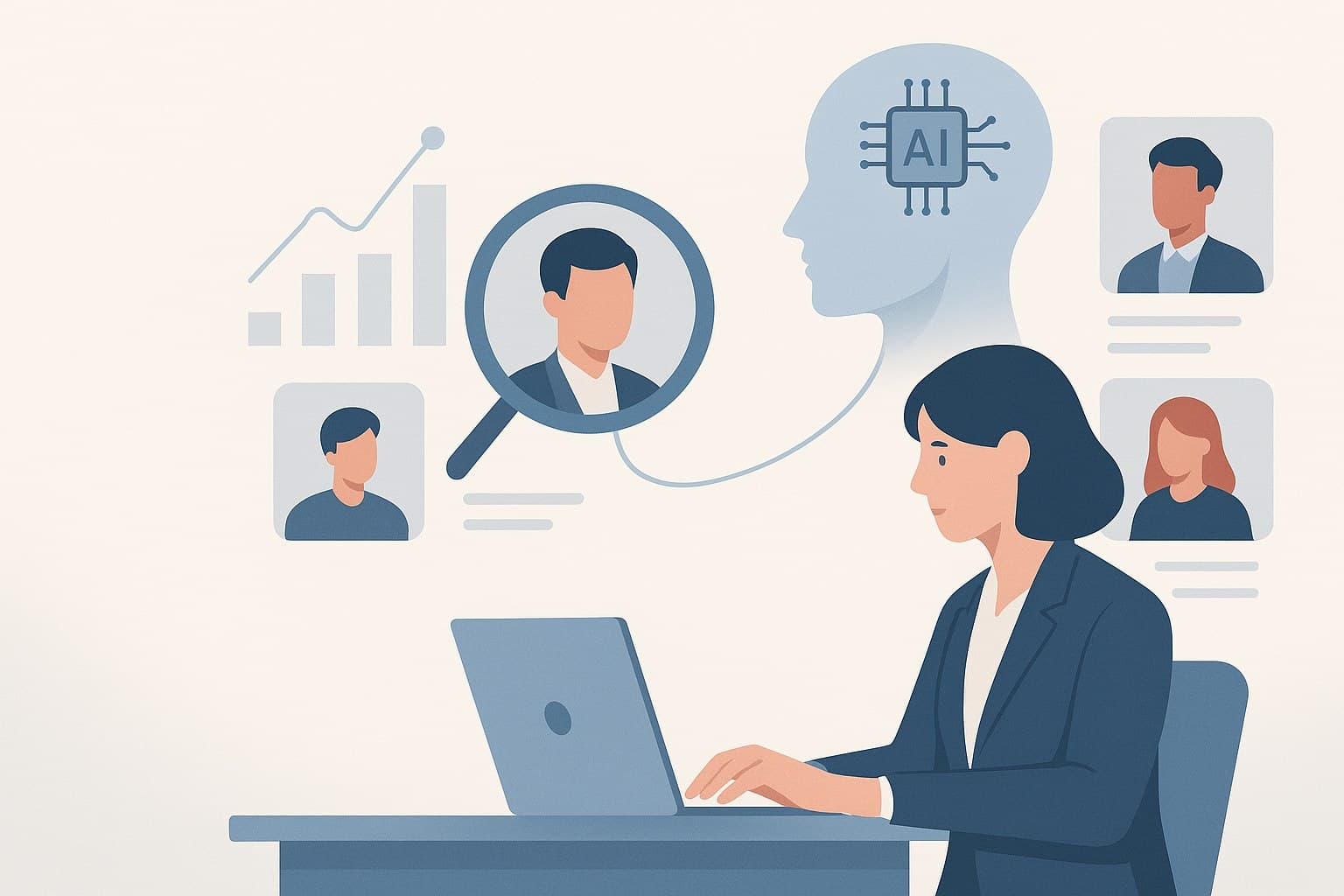
Integrating AI Resume Scores into Requisition Approval Workflows: A Strategic Approach for HR Leaders
In the rapidly evolving landscape of talent acquisition, the integration of artificial intelligence (AI) into recruitment processes is no longer a futuristic concept but a present reality. For HR leaders and decision-makers, leveraging AI to streamline and enhance recruitment workflows presents both opportunities and challenges. Among the various applications of AI in recruitment, integrating AI resume scores into the requisition approval workflow stands out as a transformative strategy. This article delves into the benefits, implementation strategies, and considerations for HR leaders aiming to harness AI resume scores effectively.
Understanding AI Resume Scores
At its core, an AI resume scoring system evaluates resumes using machine learning algorithms to predict a candidate's suitability for a specific role. By analyzing elements such as skills, experience, education, and even linguistic patterns, AI can assign a score to each resume, reflecting its alignment with the job requirements. This technology promises to expedite the screening process, reduce human bias, and improve the overall quality of hire.
Benefits of Integrating AI Resume Scores
-
Efficiency and Speed: One of the most significant advantages of AI resume scoring is the speed at which resumes can be assessed. Traditional manual screening is time-consuming, often leading to bottlenecks in the recruitment process. AI can process thousands of resumes in a fraction of the time, enabling HR teams to focus on more strategic tasks.
-
Enhanced Decision-Making: By providing a quantifiable score, AI assists recruiters and hiring managers in making more informed decisions. This data-driven approach reduces reliance on gut feelings and subjective judgments, which can be influenced by unconscious biases.
-
Consistency and Fairness: AI systems apply the same criteria to every resume, ensuring a level of consistency that is difficult to achieve manually. This consistency helps promote fairness and diversity by focusing solely on qualifications and skills rather than extraneous factors.
-
Scalability: As organizations grow and hiring needs increase, AI systems can easily scale to accommodate larger volumes of applications without a corresponding increase in HR resources.
Integrating AI Resume Scores into Requisition Approval Workflows
To effectively integrate AI resume scores into the requisition approval process, HR leaders must undertake a strategic approach that aligns with organizational goals and values. Here are the key steps:
-
Define Clear Objectives: Before implementation, it is crucial to define what the organization aims to achieve with AI resume scoring. Objectives could range from reducing time-to-hire to improving candidate quality or enhancing diversity in hiring.
-
Select the Right AI Tools: The market is flooded with various AI tools, each with unique features and capabilities. HR leaders should conduct thorough research and select a solution that best fits their organization's needs. Considerations should include the tool's accuracy, ease of integration, user-friendliness, and vendor support.
-
Pilot and Evaluate: Implementing AI resume scoring should begin with a pilot phase. This allows the organization to test the system's effectiveness, identify potential issues, and make necessary adjustments before a full-scale rollout. Evaluation metrics might include time savings, hiring accuracy, and user satisfaction.
-
Train and Engage HR Teams: Successful integration requires buy-in from HR teams. Training sessions should be conducted to familiarize HR staff with the new system, highlighting its benefits and addressing any concerns. Engaging staff in the implementation process fosters acceptance and eases the transition.
-
Monitor and Optimize: Post-implementation, continuous monitoring is essential to ensure the system is functioning as intended. Regular reviews and optimization based on feedback and performance data will help maintain the system's effectiveness and relevance.
Considerations and Challenges
While the integration of AI resume scores offers numerous benefits, HR leaders must be mindful of potential challenges:
-
Bias and Ethical Concerns: Although AI can reduce human bias, it is not immune to it. If the data used to train AI models is biased, the output will reflect those biases. It is imperative to ensure that AI systems are trained on diverse and representative datasets.
-
Data Privacy: The use of AI in recruitment involves handling sensitive candidate information. Organizations must adhere to data protection regulations and ensure robust security measures are in place to protect candidate data.
-
Change Management: Transitioning to AI-enhanced processes requires a cultural shift within the organization. HR leaders must manage this change effectively, addressing resistance and fostering a culture that embraces technological innovation.
Conclusion
Integrating AI resume scores into requisition approval workflows represents a significant advancement in recruitment strategy. For HR leaders, this technology offers the promise of increased efficiency, improved decision-making, and enhanced fairness in hiring. However, successful implementation requires a thoughtful approach, considering both the technological and human aspects of the transition. By carefully planning and executing this integration, organizations can position themselves at the forefront of modern recruitment, attracting and retaining the best talent in a competitive market.
Frequently Asked Questions
Key questions often raised by business leaders and HR teams:
What are AI resume scores?
AI resume scores evaluate candidates' resumes using machine learning algorithms to predict their suitability for specific roles.
How can AI resume scores improve recruitment efficiency?
By processing thousands of resumes quickly, AI reduces the time spent on manual screening, allowing HR teams to focus on strategic tasks.
What challenges should HR leaders consider when implementing AI resume scores?
HR leaders must be aware of potential biases in AI, data privacy concerns, and the need for effective change management during the transition.