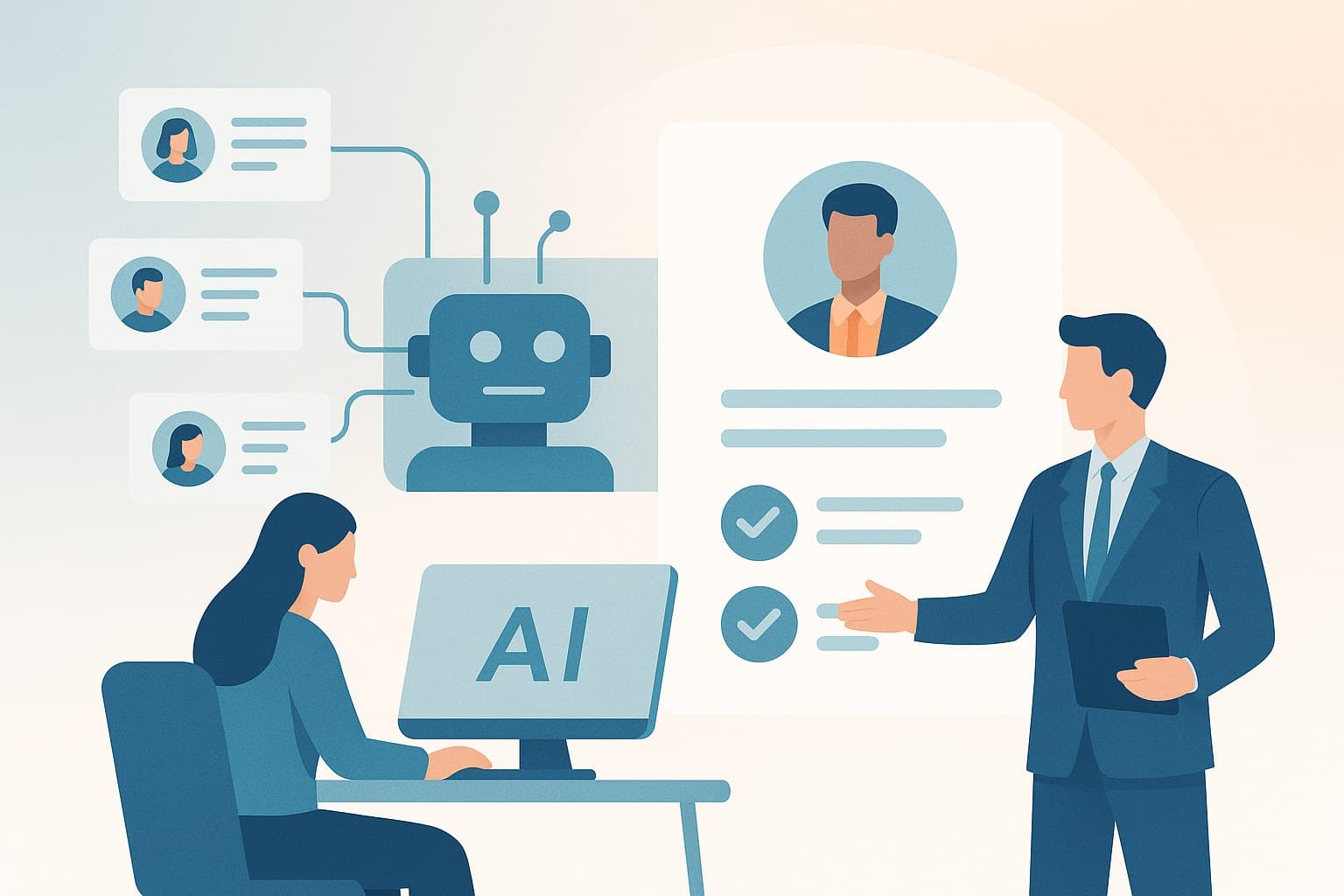
Leveraging AI Resume Scoring in Healthcare Hiring: A Strategic Approach for HR Leaders
In the rapidly evolving landscape of healthcare, the demand for qualified professionals continues to grow. As the industry becomes more complex, HR leaders face the daunting task of sifting through an overwhelming number of resumes to identify the best candidates. To streamline this process and enhance decision-making, many organizations are turning to artificial intelligence (AI) resume scoring systems. This article explores the benefits and considerations of AI resume scoring in healthcare hiring, providing HR leaders with strategic insights into its implementation.
The Growing Need for AI in Healthcare Recruitment
Healthcare is an industry characterized by its unique demands and challenges. The need for specialized skills, the pressure to maintain high-quality patient care, and the constant evolution of medical technology make hiring an intricate process. Traditional methods of resume screening are often time-consuming and prone to human biases, which can lead to suboptimal hiring decisions.
AI resume scoring offers a solution by automating the initial stages of candidate evaluation. By leveraging machine learning algorithms, AI systems can analyze vast amounts of data quickly and accurately, identifying the most suitable candidates based on predefined criteria. This not only accelerates the recruitment process but also enhances the quality of hires by focusing on data-driven insights.
Benefits of AI Resume Scoring in Healthcare
-
Efficiency and Speed: AI systems can process hundreds of resumes in a fraction of the time it would take a human recruiter. This allows HR teams to focus their efforts on engaging with top-tier candidates, reducing the time-to-hire and improving overall productivity.
-
Improved Candidate Matching: AI algorithms can be trained to recognize specific skills, qualifications, and experiences relevant to healthcare roles. This ensures that only candidates who meet the necessary criteria are shortlisted, increasing the likelihood of a successful hire.
-
Bias Reduction: Human biases, whether conscious or unconscious, can significantly impact hiring decisions. AI systems, when properly designed, can minimize these biases by evaluating candidates based solely on objective criteria, such as skills and experience, rather than subjective factors like gender, age, or ethnicity.
-
Scalability: As healthcare organizations grow, their hiring needs become more complex. AI resume scoring provides a scalable solution that can accommodate increasing volumes of applications without compromising on quality or speed.
-
Enhanced Data Analytics: AI systems generate valuable insights and analytics that can inform future hiring strategies. By analyzing patterns and trends in candidate data, HR leaders can make more informed decisions and continuously refine their recruitment processes.
Key Considerations for Implementation
While the benefits of AI resume scoring are clear, successful implementation requires careful planning and consideration. HR leaders should take the following factors into account:
-
Defining Clear Criteria: The effectiveness of AI resume scoring hinges on the quality of the criteria used to evaluate candidates. HR teams must work closely with hiring managers to define clear, objective criteria that align with the organization's needs and values.
-
Ensuring Data Quality: AI systems rely on high-quality data to function effectively. Organizations must ensure that their resume databases are accurate, up-to-date, and comprehensive. This may involve regular audits and updates to ensure data integrity.
-
Addressing Ethical Concerns: While AI can reduce certain biases, it is not immune to perpetuating existing ones if the underlying data is biased. HR leaders must remain vigilant and regularly audit AI systems to ensure fairness and equity in candidate selection.
-
Integration with Existing Systems: For seamless operation, AI resume scoring systems should be integrated with existing HR technologies, such as applicant tracking systems (ATS) and human resource information systems (HRIS). This ensures a cohesive workflow and maximizes the value of AI insights.
-
Training and Support: HR teams must be adequately trained to use AI tools effectively. Additionally, organizations should provide ongoing support and resources to address any technical challenges or questions that may arise.
-
Maintaining a Human Touch: While AI can enhance efficiency, it is crucial to maintain a human element in the hiring process. Personal interactions, such as interviews and reference checks, remain essential for assessing cultural fit and interpersonal skills.
Conclusion
AI resume scoring represents a transformative opportunity for healthcare organizations seeking to optimize their hiring processes. By harnessing the power of AI, HR leaders can enhance efficiency, improve candidate matching, and make more informed decisions. However, successful implementation requires careful consideration of criteria definition, data quality, ethical concerns, and system integration.
As AI technology continues to evolve, its role in healthcare hiring will undoubtedly expand. Organizations that proactively embrace AI resume scoring will be better positioned to attract and retain top talent, ultimately driving better outcomes for patients and stakeholders alike. For HR leaders, the time to act is now—by integrating AI into their recruitment strategies, they can lead their organizations into a new era of innovation and excellence in healthcare hiring.
Frequently Asked Questions
Key questions often raised by business leaders and HR teams:
What is AI resume scoring?
AI resume scoring is a technology that uses artificial intelligence to evaluate and rank job candidates based on predefined criteria, streamlining the hiring process.
How does AI improve the hiring process in healthcare?
AI enhances the hiring process by automating resume screening, reducing biases, and improving candidate matching, ultimately leading to better hiring decisions.
What should HR leaders consider when implementing AI resume scoring?
HR leaders should define clear evaluation criteria, ensure data quality, address ethical concerns, and integrate AI systems with existing HR technologies.
Is human interaction still important in the hiring process?
Yes, maintaining a human touch is crucial for assessing cultural fit and interpersonal skills, despite the efficiency that AI brings to the recruitment process.