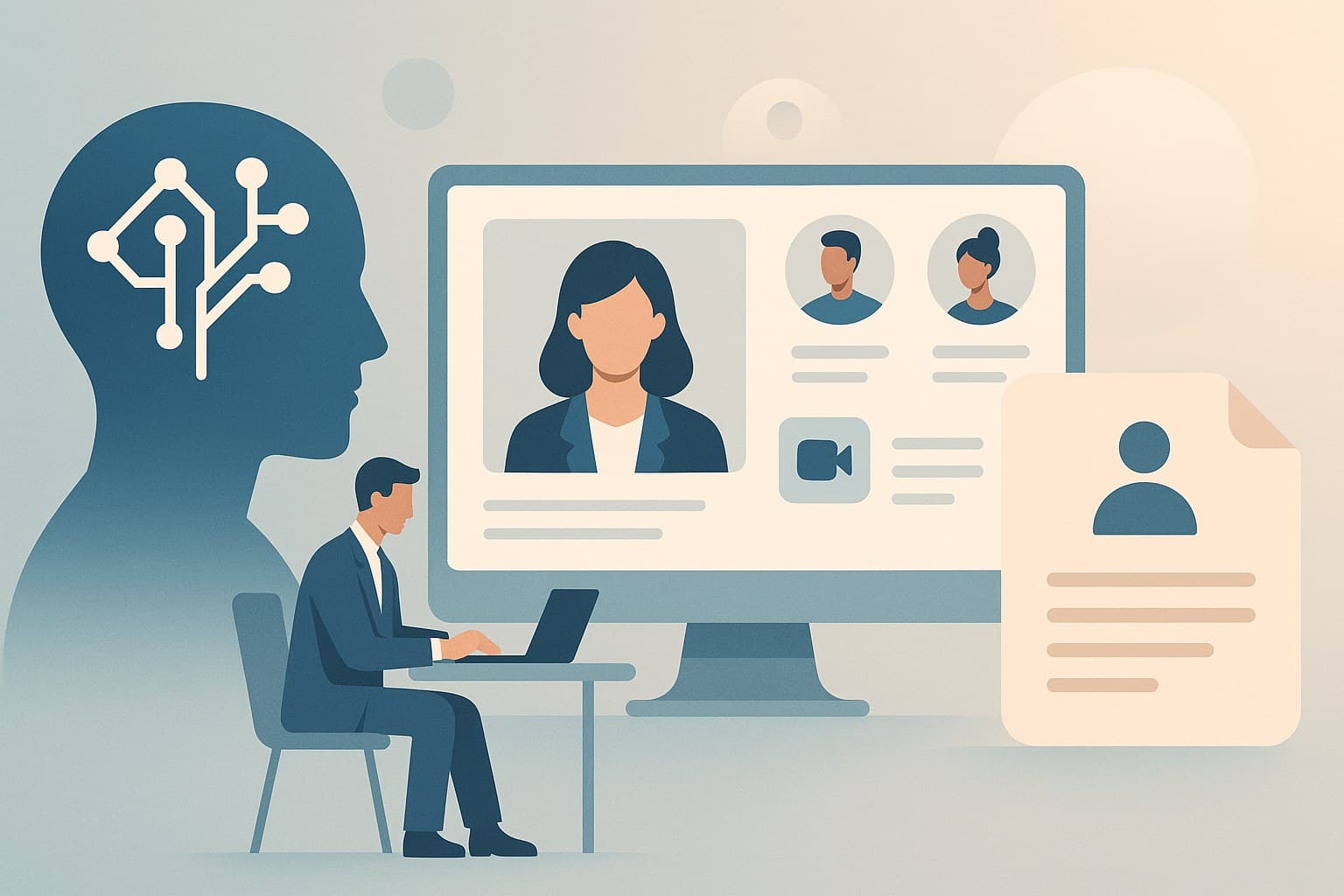
Leveraging AI Resume Scoring for Mass Hiring in Manufacturing: A Strategic Guide for Business Leaders and HR Managers
The manufacturing sector is undergoing a significant transformation, driven by technological advancements and the need for efficiency and innovation. As the industry evolves, so do its workforce requirements. Companies are increasingly seeking skilled talent to meet the demands of modern manufacturing processes, which often involve sophisticated technologies like automation and IoT. However, the challenge of finding and hiring the right talent at scale remains daunting. This is where AI-powered resume scoring systems come into play, offering a revolutionary approach to streamline mass hiring processes.
Understanding AI Resume Scoring
AI resume scoring refers to the use of artificial intelligence algorithms to evaluate and rank job applications based on predefined criteria. These systems analyze resumes by extracting and assessing relevant data points, such as skills, experience, education, and even linguistic nuances. By automating the initial screening process, AI tools help HR managers sift through large volumes of applications efficiently, identifying the most suitable candidates for further evaluation.
The Need for AI in Manufacturing Hiring
Manufacturing companies often face two main challenges in recruitment: volume and specificity. On one hand, they need to handle a high volume of applications, particularly for entry-level or high-turnover positions. On the other, they require candidates with specific skill sets that match the technical demands of modern manufacturing roles. Traditional hiring processes, which rely heavily on manual screening, can be time-consuming, costly, and prone to human error. AI-powered solutions offer a compelling alternative, addressing these challenges head-on.
Benefits of AI Resume Scoring in Mass Hiring
-
Efficiency and Speed: AI systems can process thousands of resumes in a fraction of the time it would take a human recruiter. This efficiency is particularly beneficial during mass hiring events or when filling multiple positions simultaneously.
-
Consistency and Objectivity: Unlike human recruiters, AI tools apply the same criteria across all applications, ensuring a consistent and unbiased evaluation process. This objectivity helps in reducing unconscious bias, promoting diversity and inclusion in the workplace.
-
Enhanced Candidate Matching: Advanced algorithms can be tailored to match candidates with the specific technical and soft skills required for a role. This improves the likelihood of selecting candidates who are not only qualified but also a good cultural fit for the organization.
-
Data-Driven Insights: AI systems can provide valuable insights into the talent pool, such as common skills gaps or emerging trends in applicant demographics. These insights can inform strategic workforce planning and development initiatives.
Implementing AI in the Hiring Process
For business leaders and HR managers considering the adoption of AI resume scoring, it is important to follow a strategic approach:
-
Define Clear Criteria: Start by establishing clear and measurable criteria for evaluating candidates. This involves collaboration between hiring managers, HR teams, and technical experts to ensure that the AI system aligns with the company’s specific needs and values.
-
Choose the Right AI Solution: There are numerous AI resume scoring platforms available, each with its own strengths and capabilities. Select a solution that integrates seamlessly with your existing HR systems and supports customization to match your company’s unique hiring requirements.
-
Ensure Data Privacy and Compliance: Handling candidate data requires strict adherence to privacy regulations and ethical standards. Ensure that the chosen AI system complies with relevant laws and has robust data protection measures in place.
-
Monitor and Adjust: Implementing AI in hiring is not a one-time event but an ongoing process. Continuously monitor the system’s performance, gather feedback from HR teams, and make necessary adjustments to improve accuracy and effectiveness.
-
Provide Human Oversight: While AI can significantly enhance the hiring process, it should not replace human judgment entirely. Human recruiters should review AI-generated shortlists and make final decisions, ensuring that the candidates selected align with the company’s culture and goals.
Challenges and Considerations
Despite the many advantages, AI resume scoring is not without its challenges. Business leaders must be aware of potential pitfalls, such as over-reliance on AI, which can lead to overlooking exceptional candidates who do not fit conventional molds. Additionally, there is a risk of perpetuating existing biases if the AI algorithms are trained on biased data.
To mitigate these risks, it is crucial to ensure that AI systems are regularly audited and updated to reflect the latest industry standards and ethical practices. Collaboration with AI vendors who prioritize transparency and accountability can also help in maintaining the integrity of the hiring process.
Conclusion
AI resume scoring represents a powerful tool for manufacturing companies looking to optimize their mass hiring processes. By embracing this technology, business leaders and HR managers can enhance efficiency, improve candidate matching, and gain valuable insights into the talent landscape. However, successful implementation requires careful planning, continuous oversight, and a commitment to ethical practices. With the right approach, AI can become an indispensable ally in building a skilled and diverse workforce that drives the future of manufacturing.
Frequently Asked Questions
Key questions often raised by business leaders and HR teams:
What is AI resume scoring?
AI resume scoring uses algorithms to evaluate and rank job applications based on specific criteria, streamlining the hiring process.
How does AI improve the hiring process in manufacturing?
AI enhances efficiency, consistency, and candidate matching, allowing HR managers to handle large volumes of applications effectively.
What are the challenges of using AI in hiring?
Challenges include potential biases in algorithms and the risk of overlooking exceptional candidates. Regular audits and updates are essential.
How can companies ensure ethical use of AI in recruitment?
Companies should prioritize data privacy, comply with regulations, and maintain human oversight in the hiring process.
What should be considered when implementing AI resume scoring?
Define clear evaluation criteria, choose the right AI solution, ensure compliance, and monitor the system's performance continuously.