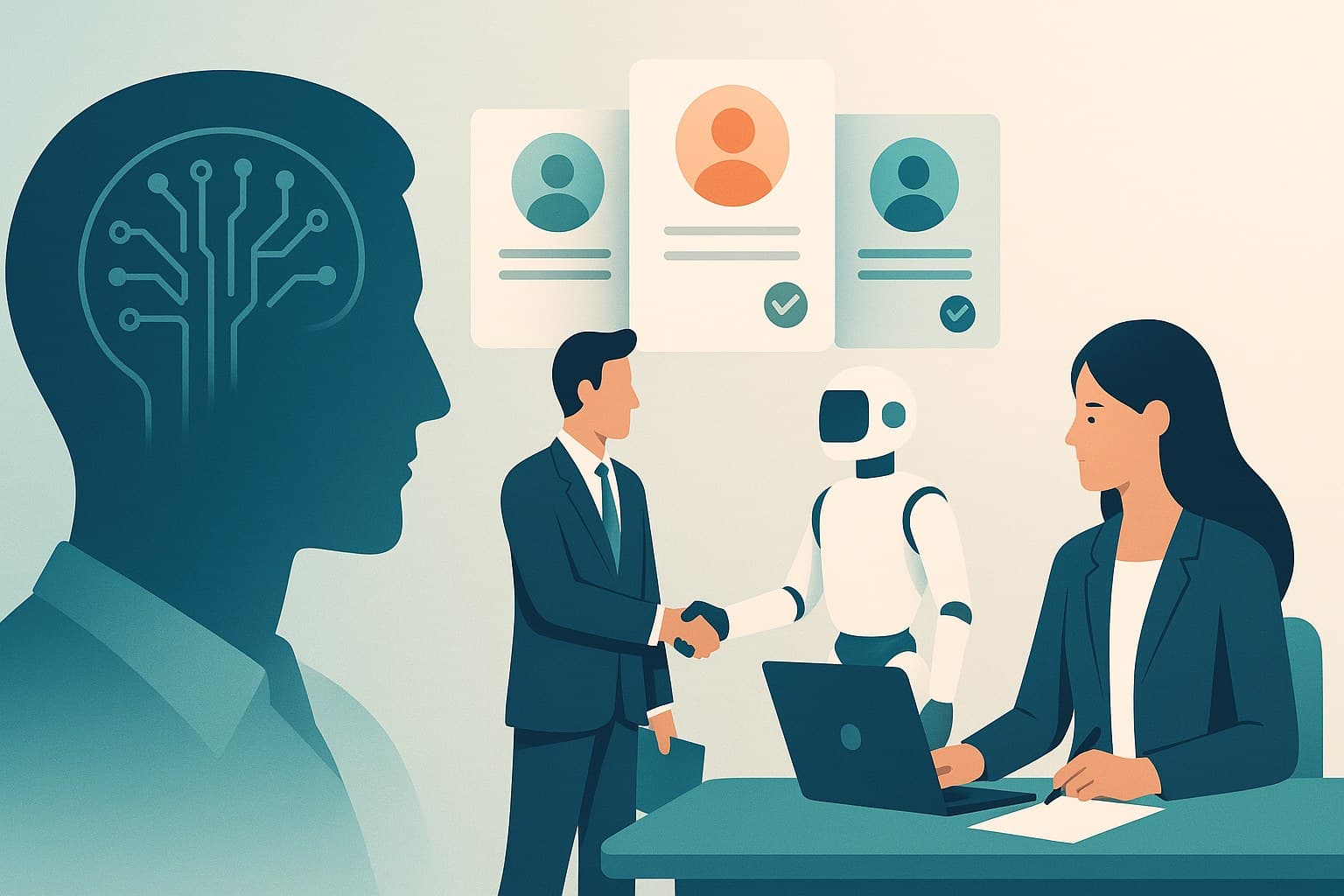
AI Resume Scoring and Talent Pool: Revolutionizing Recruitment
In today's fast-paced business environment, companies are constantly seeking innovative ways to streamline their recruitment processes and enhance their talent acquisition strategies. One such innovation that has garnered significant attention is AI resume scoring. Coupled with a robust talent pool strategy, AI resume scoring is revolutionizing the way businesses identify and hire top talent. This article delves into the intricacies of AI resume scoring, its impact on talent pools, and offers actionable insights for B2B companies looking to leverage this technology.
Understanding AI Resume Scoring
AI resume scoring is an advanced technology that uses artificial intelligence to evaluate and score resumes based on predefined criteria. This process involves analyzing various aspects of a resume, such as skills, experience, education, and achievements, to determine a candidate's suitability for a particular role.
How AI Resume Scoring Works
AI resume scoring systems utilize natural language processing (NLP) and machine learning algorithms to parse and interpret resume data. These systems are trained on large datasets to understand the nuances of language and context. Here's a breakdown of how AI resume scoring typically works:
-
Data Collection and Preprocessing: The AI system gathers resumes from various sources, including job portals and company databases. The data is then cleaned and standardized to ensure consistency.
-
Feature Extraction: The system identifies key features in the resumes, such as keywords, skills, and experience levels.
-
Scoring Algorithm: Based on the extracted features, the AI uses a scoring algorithm to assign a score to each resume. This score reflects the candidate's potential fit for the role.
-
Output and Ranking: Candidates are ranked based on their scores, allowing recruiters to focus on the most promising candidates first.
Benefits of AI Resume Scoring
-
Efficiency: Automating the resume screening process significantly reduces the time spent on manual resume reviews, allowing recruiters to focus on higher-value tasks.
-
Consistency: AI provides a standardized assessment of resumes, minimizing human bias and ensuring fair evaluation.
-
Scalability: AI systems can handle large volumes of resumes, making them ideal for businesses with high recruitment demands.
The Role of AI in Building a Talent Pool
A talent pool is a database of potential job candidates who are qualified and interested in working for a company. AI plays a crucial role in building and maintaining an effective talent pool by automating and enhancing various aspects of talent management.
Enhancing Talent Pool Strategies with AI
-
Proactive Candidate Sourcing: AI can proactively search for and identify potential candidates by analyzing online profiles, social media, and other digital footprints.
-
Predictive Analytics: AI uses predictive analytics to forecast talent needs and identify the skills and roles that will be in demand in the future.
-
Candidate Engagement: AI-driven chatbots and personalized communication can keep potential candidates engaged and informed, increasing the likelihood of future employment.
Benefits of an AI-Enhanced Talent Pool
-
Reduced Time-to-Hire: By maintaining a pool of pre-qualified candidates, companies can quickly fill open positions, reducing the time-to-hire.
-
Improved Quality of Hire: AI's ability to analyze vast amounts of data ensures that only the most qualified candidates are included in the talent pool.
-
Cost Savings: A well-maintained talent pool reduces recruitment costs by minimizing the need for extensive advertising and external recruiting firms.
Real-World Applications and Data Points
Several companies have successfully implemented AI resume scoring and talent pool strategies to improve their recruitment outcomes. Here are some noteworthy examples and data points:
-
IBM: IBM uses AI to enhance its recruitment process, reportedly reducing the time spent on resume screening by up to 75%. The company also uses AI-driven chatbots to engage with candidates, leading to a 40% increase in candidate satisfaction.
-
Unilever: Unilever's AI-based recruitment process has improved its hiring efficiency, with a 50% reduction in time-to-hire. The company's AI system evaluates candidates' cognitive abilities, emotional intelligence, and overall fit with the company culture.
-
LinkedIn: As a leading professional networking platform, LinkedIn leverages AI to suggest relevant job opportunities to users and recommend suitable candidates to recruiters, significantly enhancing the talent pool's quality.
Actionable B2B Takeaways
For B2B companies looking to harness the power of AI resume scoring and talent pools, the following actionable takeaways can guide their efforts:
1. Invest in Advanced AI Technology
To fully leverage AI resume scoring, companies should invest in state-of-the-art AI systems capable of handling large datasets and providing accurate assessments. Partnering with AI solution providers can offer a competitive edge in talent acquisition.
2. Define Clear Scoring Criteria
Establish clear and comprehensive scoring criteria that align with the company's values and job requirements. This ensures that the AI system evaluates candidates based on relevant and meaningful factors.
3. Continuously Train AI Models
Regularly update and train AI models with new data to improve their accuracy and adaptability. This includes incorporating feedback from recruiters and candidates to refine the system's performance.
4. Foster Collaboration Between AI and Human Recruiters
While AI can handle repetitive and data-heavy tasks, human recruiters are essential for making nuanced decisions and understanding candidate motivations. Encourage collaboration between AI systems and recruiters to achieve optimal recruitment outcomes.
5. Prioritize Data Security and Privacy
Given the sensitive nature of resume data, it's crucial to prioritize data security and privacy. Implement robust security measures and comply with data protection regulations to safeguard candidate information.
Conclusion
AI resume scoring and talent pool strategies are transforming the recruitment landscape by making the process more efficient, consistent, and scalable. For B2B companies, adopting these technologies can lead to significant improvements in hiring outcomes, including reduced time-to-hire, improved quality of hire, and cost savings. By investing in advanced AI systems, defining clear scoring criteria, and fostering collaboration between AI and human recruiters, businesses can unlock the full potential of AI in talent acquisition. As the recruitment industry continues to evolve, embracing AI-driven solutions will be essential for companies seeking to stay competitive and attract top talent.
Frequently Asked Questions
Key questions often raised by business leaders and HR teams:
What is AI resume scoring?
AI resume scoring is a technology that uses artificial intelligence to evaluate and score resumes based on predefined criteria, helping recruiters identify suitable candidates more efficiently.
How does AI enhance talent pools?
AI enhances talent pools by automating candidate sourcing, predicting future talent needs, and maintaining engagement with potential candidates through personalized communication.
What are the benefits of using AI in recruitment?
Benefits of using AI in recruitment include increased efficiency, reduced time-to-hire, improved quality of hire, and cost savings by minimizing reliance on external recruiting firms.
Can AI eliminate bias in recruitment?
While AI can minimize human bias by providing standardized assessments, it is essential to ensure that the AI systems are trained on diverse data to avoid perpetuating existing biases.
What should companies consider when implementing AI in recruitment?
Companies should invest in advanced AI technology, define clear scoring criteria, continuously train AI models, and foster collaboration between AI systems and human recruiters.