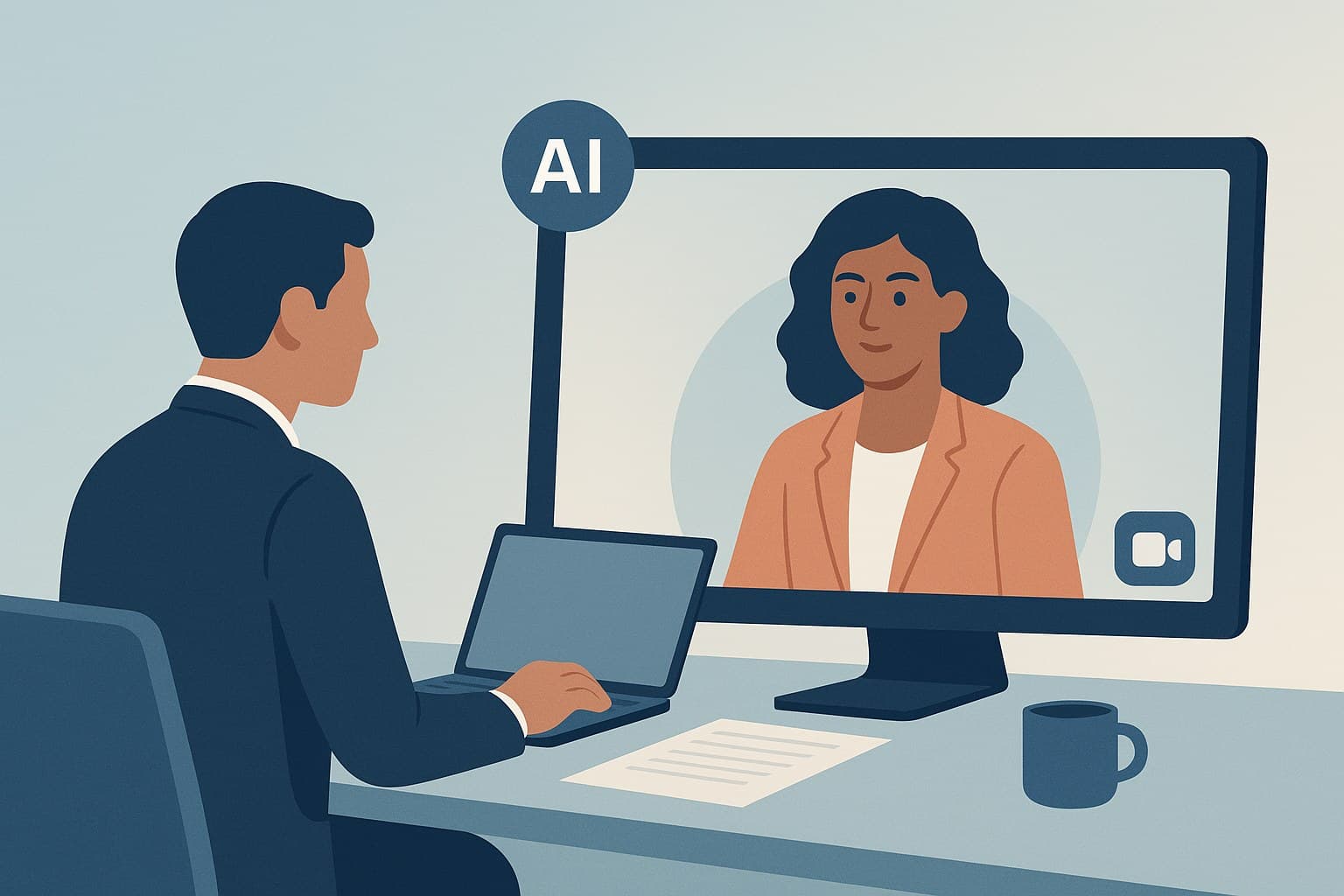
Enhancing Quality of Hire through AI-Powered Resume Shortlisting
In today's competitive job market, finding the right candidate for a position is more challenging than ever. As companies strive to improve their hiring processes, the role of artificial intelligence (AI) in resume shortlisting has gained significant attention. By leveraging AI, organizations can enhance the quality of their hires, leading to improved performance, reduced turnover, and a stronger organizational culture. This article explores how AI-driven resume shortlisting can transform the recruitment landscape and help HR leaders make informed, strategic decisions.
The Challenge of Quality Hiring
Quality of hire is a critical metric for any organization, directly impacting productivity, employee engagement, and overall business success. Traditional hiring processes, often reliant on manual resume screening, are prone to biases, inefficiencies, and human error. This can result in suboptimal hires that do not align with the company’s needs or culture, leading to increased turnover and substantial costs. HR leaders face the daunting task of sifting through hundreds, if not thousands, of resumes to identify the best candidates, often with limited resources and time.
AI in Resume Shortlisting: An Overview
AI-powered resume shortlisting utilizes machine learning algorithms and natural language processing to analyze and rank candidates based on their qualifications, experience, and fit for the role. This technology can quickly sift through vast amounts of data, identifying patterns and correlations that might be missed by human reviewers. By automating the initial stages of the recruitment process, AI helps streamline operations, reduce bias, and improve the accuracy of candidate selection.
Benefits of AI-Driven Resume Shortlisting
-
Efficiency and Speed: One of the most significant advantages of AI in resume shortlisting is the speed at which it can process applications. AI systems can analyze thousands of resumes in a fraction of the time it would take a human recruiter, allowing HR teams to focus on higher-level tasks such as interviews and candidate engagement. This efficiency not only accelerates the hiring process but also reduces the time-to-fill, ensuring that critical roles are occupied more quickly.
-
Improved Candidate Matching: AI algorithms can be trained to understand the specific requirements of a job and match candidates based on skills, experience, and potential cultural fit. By analyzing previous successful hires and current employee data, AI systems can refine their criteria and improve the precision of candidate matching. This targeted approach increases the likelihood of selecting candidates who are more likely to succeed in their roles and contribute positively to the organization.
-
Reduction of Bias: Human biases, whether conscious or unconscious, can significantly impact hiring decisions. AI-driven systems can help mitigate these biases by focusing purely on data-driven criteria. By anonymizing resumes or focusing on relevant skills and experiences, AI can promote a more diverse and inclusive hiring process. This not only enhances the quality of hire but also supports organizational diversity goals.
-
Scalability: As companies grow, the volume of applications can become overwhelming for HR teams. AI systems are highly scalable, capable of handling increased application volumes without compromising on quality. This scalability ensures that organizations can maintain high standards in their hiring processes, regardless of size or industry.
-
Data-Driven Insights: AI provides HR leaders with valuable insights into the hiring process, highlighting trends, and identifying areas for improvement. By analyzing data from past recruitment cycles, AI can offer predictive analytics that inform future hiring strategies. This data-driven approach enables HR leaders to make evidence-based decisions, aligning recruitment efforts with broader business objectives.
Implementing AI in Resume Shortlisting
For organizations considering adopting AI in their recruitment processes, there are several key steps to ensure successful implementation:
-
Define Clear Objectives: Before implementing AI, it is essential to define what success looks like. Establish clear objectives for the AI system, such as reducing time-to-fill, increasing diversity, or improving candidate quality.
-
Select the Right Technology: Not all AI solutions are created equal. Choose a platform that aligns with your organization's needs and integrates seamlessly with existing HR systems. Consider factors such as ease of use, customization options, and vendor support.
-
Training and Calibration: AI systems require initial training and ongoing calibration to ensure accuracy and effectiveness. Use historical hiring data and involve experienced recruiters in the training process to refine the algorithms and improve outcomes.
-
Monitor and Evaluate: Continuously monitor the AI system's performance and gather feedback from recruiters and candidates. Regular evaluation allows for adjustments and improvements, ensuring that the system remains aligned with organizational goals.
-
Address Ethical Considerations: Be mindful of ethical considerations when implementing AI in recruitment. Ensure transparency in AI decision-making processes and address any concerns related to data privacy and bias.
Conclusion
AI-powered resume shortlisting represents a significant advancement in recruitment technology, offering HR leaders a powerful tool to enhance the quality of hire. By improving efficiency, reducing bias, and providing data-driven insights, AI can transform the recruitment process, enabling organizations to build stronger, more effective teams. As AI continues to evolve, its role in recruitment will only become more integral, helping organizations navigate the complexities of the modern job market with confidence and precision.
Frequently Asked Questions
Key questions often raised by business leaders and HR teams:
How does AI improve the hiring process?
AI enhances the hiring process by automating resume screening, improving efficiency, and providing data-driven insights for better candidate matching.
Can AI reduce bias in hiring?
Yes, AI can help reduce bias by focusing on data-driven criteria and anonymizing resumes to promote a more inclusive hiring process.
What are the main benefits of using AI for resume shortlisting?
The main benefits include increased efficiency, improved candidate matching, bias reduction, scalability, and valuable data-driven insights.
What steps should organizations take to implement AI in recruitment?
Organizations should define clear objectives, select the right technology, train the AI system, monitor its performance, and address ethical considerations.
Is AI-powered resume shortlisting suitable for all organizations?
Yes, AI-powered resume shortlisting can be tailored to fit the needs of organizations of all sizes and industries, enhancing their hiring processes.