
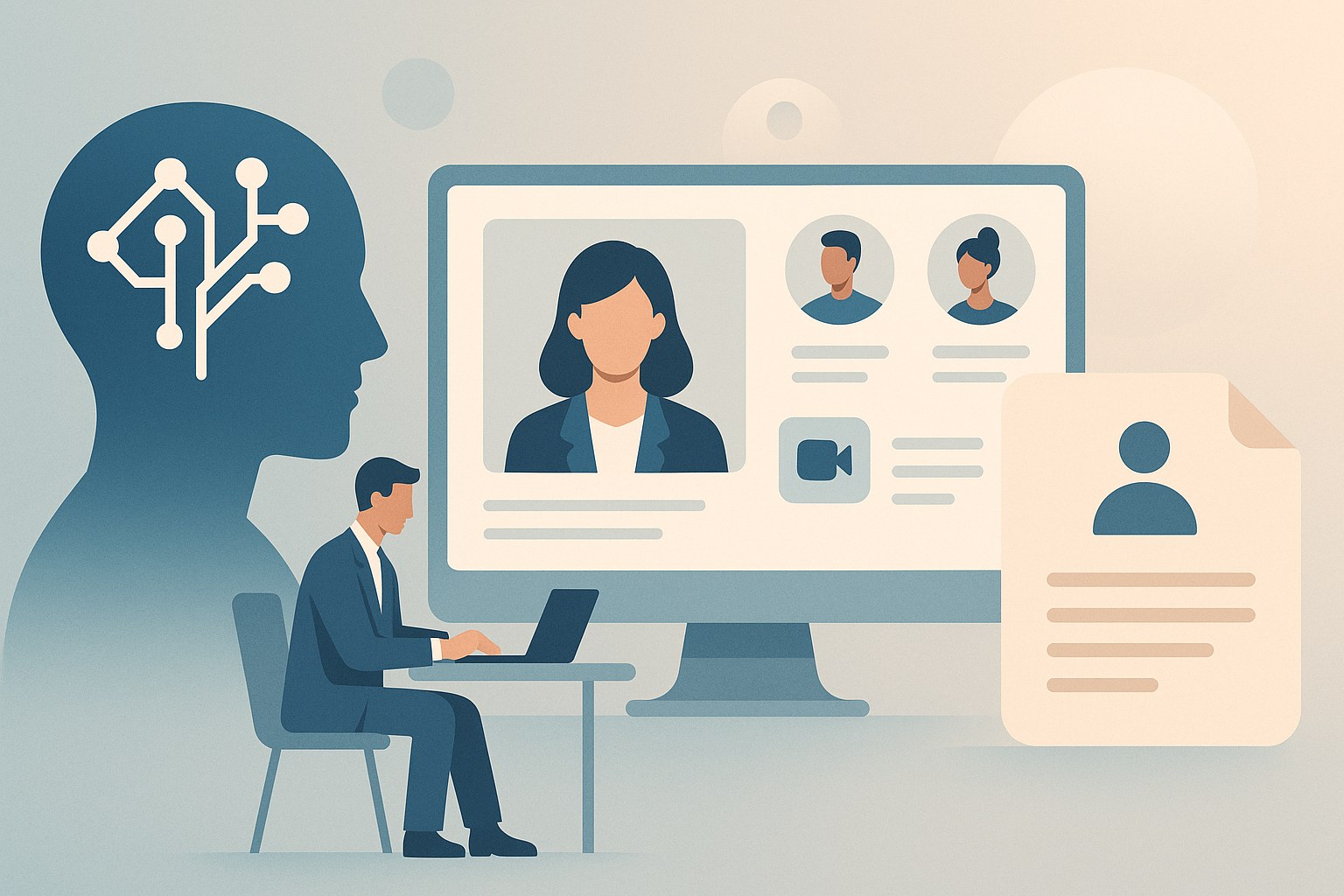
AI Resume Skills Gap Forecasting: Bridging the Divide Between Technology and Hiring
In today's fast-paced job market, where the demand for skilled workers is on the rise, companies are increasingly relying on technology to streamline their hiring processes. With the advent of artificial intelligence (AI), many organizations have turned to AI-powered resume screening tools to sift through large volumes of job applications. While this has proven to be an efficient and time-saving approach, it has also brought attention to a crucial issue – the AI resume skills gap.
According to a study by Gartner, by 2025, 75% of large organizations will have adopted AI-powered recruitment tools, resulting in a skills gap between the technology and the hiring process. This raises a critical question – how can companies bridge this gap and ensure the successful integration of AI in their recruitment processes?
Understanding the AI Resume Skills Gap
The AI resume skills gap can be defined as the disparity between the skills required for a job and the skills identified by an AI-powered resume screening tool. These tools use natural language processing (NLP) algorithms to scan resumes and match them with a job description, based on keywords and phrases. However, this approach is not perfect and can often lead to the exclusion of qualified candidates.
The process works in four steps: gather and clean, analyze, match, and rank. The AI skills gap analysis pulls data from existing systems and standardizes job titles and company names to create a streamlined dataset. The algorithm then analyzes the data and matches it with the job description, looking for specific keywords and skills. Finally, the resumes are ranked based on their relevance to the job description.
However, this process can be flawed, as AI-powered tools may not accurately interpret certain skills or qualifications, leading to a skills gap. This can result in the exclusion of qualified candidates, leading to a biased and incomplete hiring process.
The Impact of AI Resume Skills Gap
The AI resume skills gap can have significant implications for both job seekers and employers. For job seekers, it means that their resumes may not accurately reflect their skills and qualifications, resulting in their exclusion from the hiring process. This can be frustrating and demotivating for candidates who have the necessary skills for a job but are not given a fair chance due to the technology used in the recruitment process.
On the other hand, for employers, the AI resume skills gap can lead to a missed opportunity to hire top talent. As these tools rely on keywords and phrases, they may not take into account soft skills, which are essential for a successful hire. This can result in a less diverse and less skilled workforce, ultimately impacting the company's performance and growth.
Addressing the AI Resume Skills Gap
To bridge the AI resume skills gap, companies need to take a proactive approach and combine AI with human intervention. One way to achieve this is by using AI-powered recruitment platforms like MIND Interview. This enterprise-grade AI recruitment platform offers a solution that combines AI resume analysis with structured asynchronous AI video interviews, cutting hiring time and raising match quality.
The platform's resume builder helps create a professional and impactful resume with ease, ensuring that the skills and qualifications of candidates are accurately represented. The AI resume analysis feature parses skills, matches them with the job description, and flags any potential risks, providing a more comprehensive and unbiased assessment of candidates.
MIND Interview also offers 24/7 asynchronous AI video interviews that evaluate a candidate's expression, tone, logic, and structure. The visualized candidate reports, including a 5-dimension radar, Big Five traits, and interview replay links, make it easier for hiring managers to compare candidates and make informed decisions.
Moreover, MIND Interview's one-click report translation feature allows for seamless communication between multilingual hiring teams, saving time and resources. The platform also offers enterprise-grade security with encrypted transfer and integrates with existing ATS/HRIS, ensuring a smooth and secure hiring process.
The Future of AI Resume Skills Gap
As AI continues to evolve and become an integral part of the recruitment process, companies need to prioritize bridging the AI resume skills gap. This includes investing in AI-powered recruitment platforms like MIND Interview, which offer a more comprehensive and unbiased assessment of candidates.
Without addressing this issue, companies risk losing out on top talent and creating a less diverse and skilled workforce. By bridging the AI resume skills gap, organizations can ensure a more efficient, effective, and fair hiring process, benefiting both job seekers and employers.
Conclusion
The AI resume skills gap is a critical issue that needs to be addressed to ensure a successful integration of AI in the recruitment process. By combining AI with human intervention and investing in AI-powered recruitment platforms like MIND Interview, companies can bridge this gap and create a more efficient and fair hiring process.
Don't let the AI resume skills gap hinder your hiring process. Take the first step towards a more efficient and unbiased recruitment process by trying MIND Interview today. With its advanced features and enterprise-grade AI technology, you can streamline your hiring process and attract top talent. Click here to start your free trial now.
Frequently Asked Questions
Key questions often raised by business leaders and HR teams:
What is the AI resume skills gap?
The AI resume skills gap refers to the disparity between the skills needed for a job and those identified by AI-powered resume screening tools.
How can companies address the AI resume skills gap?
Companies can bridge the gap by combining AI tools with human intervention and using comprehensive recruitment platforms like MIND Interview.
What are the implications of the AI resume skills gap for job seekers?
Job seekers may find their qualifications overlooked, leading to missed opportunities despite having the necessary skills for the position.
Why is it important to address the AI resume skills gap?
Addressing the skills gap is crucial to ensure a fair hiring process and to attract top talent, ultimately benefiting both employers and candidates.