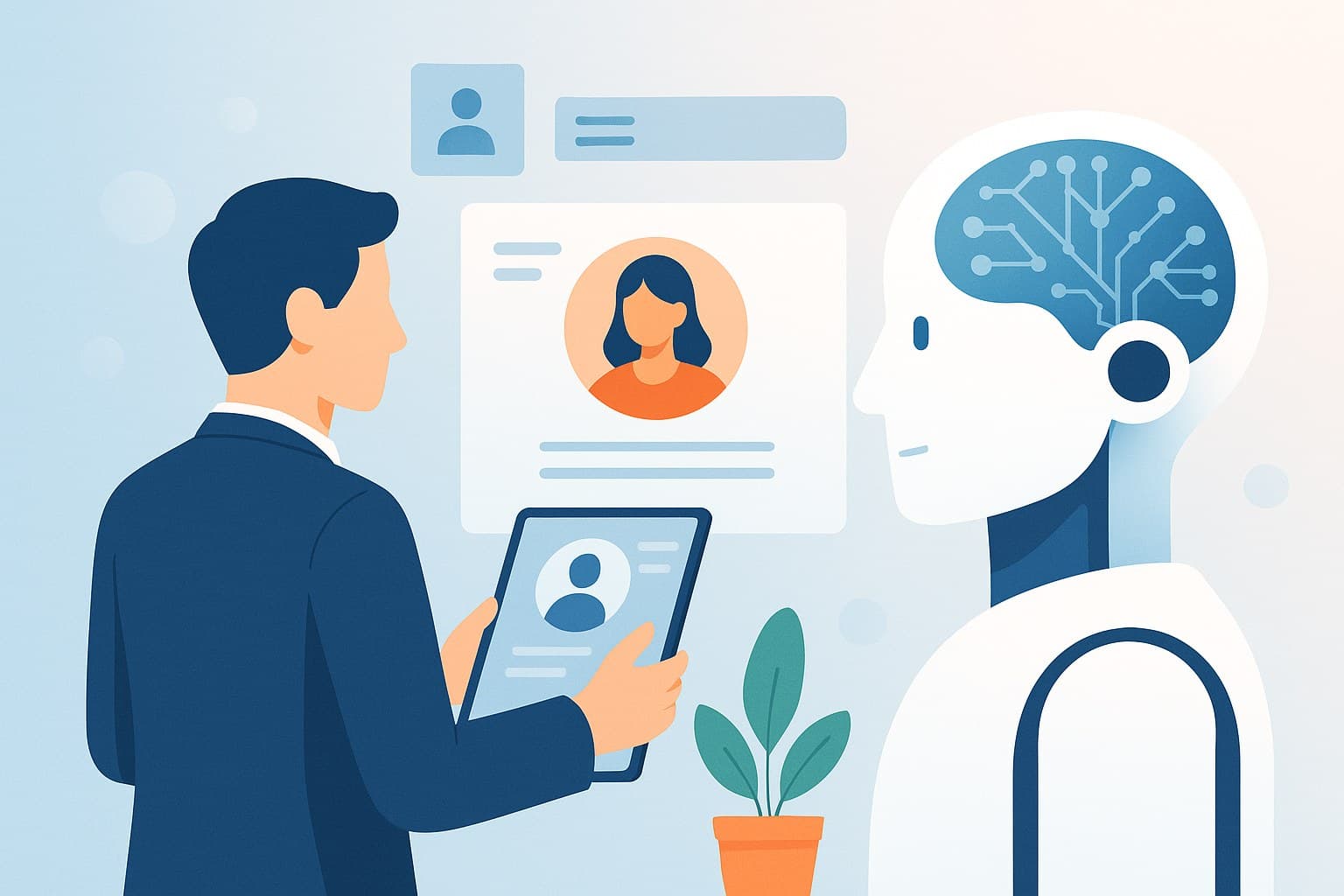
Enhancing Recruitment Efficiency: The Business Case for AI-Powered Resume Triage
In today's fast-paced business environment, companies face increasing pressure to streamline operations and optimize resource allocation. Human Resources (HR) departments, in particular, are tasked with managing talent acquisition efficiently, often facing overwhelming volumes of resumes for a single job posting. As organizations strive for competitive advantage, adopting innovative technologies becomes imperative. This article explores the business case for integrating AI-powered resume triage systems into recruitment processes, highlighting the benefits, considerations, and potential impact on organizational success.
The Recruitment Challenge
Recruitment is a time-sensitive and resource-intensive endeavor. Traditional methods of manually reviewing resumes are not only laborious but also prone to human error, bias, and inconsistency. HR professionals often face the daunting task of sifting through hundreds, if not thousands, of applications to identify suitable candidates. This can lead to delays in the recruitment process, increased time-to-hire, and potential loss of top talent to competitors.
The Emergence of AI in Recruitment
Artificial Intelligence (AI) has emerged as a transformative force across various industries, and recruitment is no exception. AI-powered resume triage systems leverage machine learning algorithms to automate the initial screening of resumes. These systems are designed to analyze resumes at scale, assessing qualifications, experience, skills, and other relevant criteria against job descriptions. By doing so, AI streamlines the candidate shortlisting process, allowing HR teams to focus on more strategic aspects of recruitment.
Benefits of AI-Powered Resume Triage
-
Increased Efficiency and Speed: AI systems can process large volumes of resumes in a fraction of the time it takes a human recruiter. This expedites the shortlisting process, significantly reducing time-to-hire and allowing organizations to secure talent more swiftly.
-
Enhanced Accuracy and Consistency: AI algorithms are trained to evaluate resumes based on predefined criteria, minimizing the risk of overlooking qualified candidates. Unlike humans, AI systems maintain consistency in their assessments, ensuring that all applications are evaluated against the same standards.
-
Reduction in Bias: Human recruiters, despite their best intentions, can be influenced by unconscious biases. AI-powered systems, when properly designed, can help mitigate bias by focusing solely on qualifications and experience, promoting a more diverse and inclusive hiring process.
-
Cost Savings: By automating the initial stages of resume screening, organizations can reduce the need for extensive manual labor in recruitment. This leads to cost savings in terms of both time and resources, enabling HR teams to allocate their efforts towards more value-driven activities.
-
Improved Candidate Experience: A streamlined recruitment process not only benefits the organization but also enhances the candidate experience. Quick response times and efficient communication foster a positive impression of the company, increasing the likelihood of attracting top talent.
Key Considerations for Implementation
While the advantages of AI-powered resume triage are compelling, successful implementation requires careful planning and consideration:
-
Data Quality and Privacy: The effectiveness of AI systems hinges on the quality of data they are trained on. Organizations must ensure that their data is accurate, relevant, and compliant with privacy regulations to avoid potential legal and ethical issues.
-
Algorithm Transparency and Fairness: It is essential to use AI systems that offer transparency in their decision-making processes. Organizations should regularly audit algorithms to ensure fairness and eliminate any potential biases that may inadvertently arise.
-
Integration with Existing Systems: Seamless integration with existing HR systems and processes is crucial for maximizing the benefits of AI-powered solutions. Organizations should assess the compatibility of AI systems with their current infrastructure to ensure a smooth transition.
-
Change Management and Training: Implementing AI in recruitment represents a significant change for HR teams. Adequate training and change management initiatives are necessary to equip staff with the skills to leverage AI tools effectively and adapt to new workflows.
The Strategic Impact on Organizations
Integrating AI-powered resume triage systems can have a profound strategic impact on organizations. By optimizing recruitment processes, companies can secure the best talent more efficiently, giving them a competitive edge in their respective industries. Moreover, the ability to reduce bias and promote diversity enhances a company's reputation as an inclusive employer, attracting a broader range of candidates and fostering innovation.
Furthermore, the cost savings and efficiency gains achieved through AI adoption allow HR departments to reallocate resources towards strategic initiatives such as workforce planning, employee development, and organizational culture enhancement. This shift in focus from administrative tasks to strategic HR functions contributes to overall organizational growth and agility.
Conclusion
In conclusion, the integration of AI-powered resume triage systems presents a compelling business case for organizations seeking to enhance their recruitment processes. By improving efficiency, accuracy, and candidate experience, AI systems enable HR teams to focus on strategic priorities and secure the talent necessary for sustained success. However, careful consideration of data quality, algorithm fairness, and change management is essential for realizing the full potential of AI in recruitment. As companies continue to navigate an increasingly competitive landscape, embracing AI-driven innovations will be a key differentiator in attracting and retaining top talent.
Frequently Asked Questions
Key questions often raised by business leaders and HR teams:
What is AI-powered resume triage?
AI-powered resume triage uses machine learning algorithms to automate the initial screening of resumes, streamlining the recruitment process.
How does AI improve recruitment efficiency?
AI can process large volumes of resumes quickly, reducing time-to-hire and allowing HR teams to focus on strategic tasks.
Can AI reduce bias in recruitment?
Yes, when designed properly, AI systems can minimize unconscious bias by evaluating candidates based solely on qualifications and experience.
What are the key considerations for implementing AI in recruitment?
Organizations must focus on data quality, algorithm transparency, seamless integration with existing systems, and adequate training for HR staff.
What is the strategic impact of AI on organizations?
Integrating AI can enhance recruitment efficiency, promote diversity, and allow HR to focus on strategic initiatives, contributing to overall organizational growth.