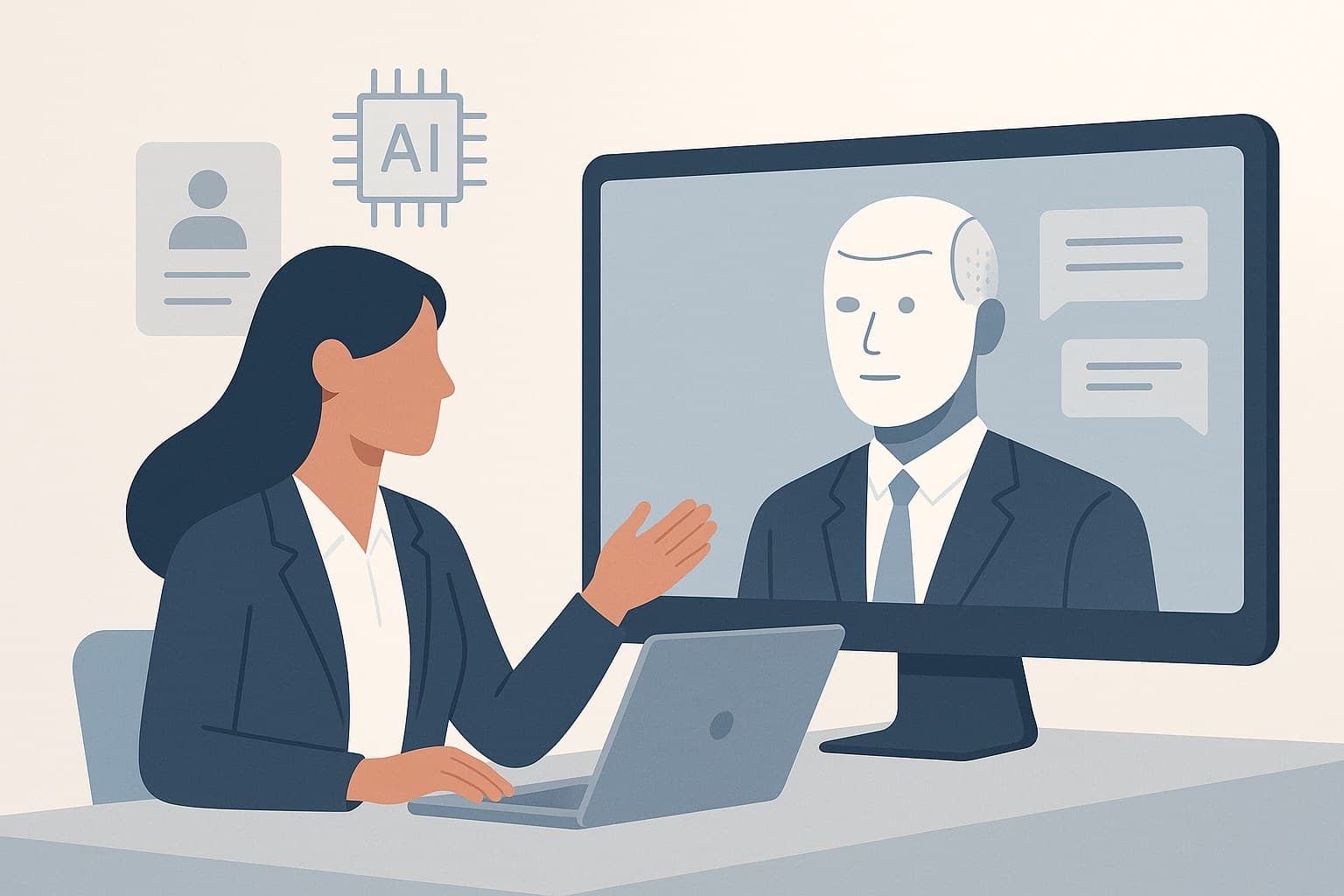
AI Score Validation vs Human Raters: A Comprehensive Comparison Based on Extensive Research
Artificial intelligence (AI) has been rapidly advancing in various industries, and the recruitment sector is no exception. With the rise of AI in recruitment, there has been a growing concern about the accuracy and fairness of AI systems in evaluating job candidates. This concern has led to the emergence of a new field of research known as AI score validation, which compares the scoring results of AI systems to human raters. In this article, we will delve into the key insights and findings of this research to better understand the similarities and differences between AI and human raters in evaluating job candidates.
Introduction: The Need for AI Score Validation
The use of AI in recruitment has gained popularity due to its ability to speed up the hiring process and reduce bias in candidate evaluation. However, as with any new technology, there have been concerns about the accuracy and fairness of AI systems. This has led to the need for AI score validation, which aims to compare the scoring results of AI systems to human raters and identify any discrepancies or biases.
To fill this gap, a meta-analysis was conducted to examine the differences between AI and human scoring and the variables that moderate these differences. This meta-analysis synthesized the results of four unique studies, providing valuable insights into the accuracy and fairness of AI systems in recruitment.
Understanding AI and Human Scoring
Before we dive into the findings of the meta-analysis, it is essential to understand the differences between AI and human scoring. AI systems use algorithms and machine learning to evaluate job candidates, while human raters rely on their own judgment and experience. AI systems can analyze a large number of resumes and video interviews in a short time, while human raters may take longer to review each application.
The Results of the Meta-Analysis
The meta-analysis revealed that there are small to large differences between AI and human scoring in various components, such as expression, tone, logic, and structure. These differences were found to be influenced by certain moderating variables, such as job complexity, applicant pool size, and experience of human raters.
For instance, the analysis showed that AI and human raters had a higher level of agreement in evaluating structured interviews compared to unstructured interviews. This suggests that AI systems may be more accurate in evaluating candidates in a structured setting. Additionally, the meta-analysis found that the size of the applicant pool had a significant impact on the differences between AI and human scoring. In cases where the applicant pool was large, AI and human raters showed a higher level of agreement, indicating that AI systems may be more accurate when evaluating a larger pool of candidates.
The Role of AI Verify
One key takeaway from the meta-analysis is the importance of AI Verify in ensuring the accuracy and fairness of AI systems in recruitment. AI Verify is a governance framework that validates and tests AI systems for bias, fairness, and accuracy. This framework is essential in building trust in AI systems and ensuring that they are making unbiased and accurate decisions.
The Role of MIND Interview
One product that stands out in the field of AI recruitment is MIND Interview, an enterprise-grade AI recruitment platform. MIND Interview offers AI resume analysis and structured asynchronous AI video interviews, cutting hiring time and raising match quality. The platform operates under the governance of AI Verify, ensuring fairness and accuracy in candidate evaluation.
MIND Interview's AI resume analysis feature parses skills, matches job descriptions, flags risks, and ranks a shortlist, saving recruiters time and effort in the initial screening process. The platform's 24/7 asynchronous AI video interviews also provide a consistent and unbiased evaluation of candidates' expression, tone, logic, and structure.
Moreover, MIND Interview offers visualized candidate reports, including a 5-dimension radar, Big Five traits, and interview replay links. These reports can be easily shared with hiring managers, providing them with valuable insights into candidates' soft skills and interview performance. MIND Interview also offers a one-click translation feature for multilingual hiring teams, making the platform accessible to candidates and recruiters from different countries.
Conclusion: The Importance of AI Score Validation
In conclusion, AI score validation plays a crucial role in ensuring the accuracy and fairness of AI systems in recruitment. The meta-analysis discussed in this article highlights the differences between AI and human scoring and the moderating variables that influence these differences. It is essential for organizations to use AI recruitment platforms that operate under the governance of AI Verify, such as MIND Interview, to ensure unbiased and accurate candidate evaluation.
If you are an enterprise HR or talent acquisition team, hiring manager, or headhunter at a mid-to-large company, consider using MIND Interview for your recruitment needs. With its enterprise-grade features, AI Verify governance, and multilingual capabilities, MIND Interview can help you streamline your hiring process and find the best-fit candidates for your organization. Visit https://www.mind-interview.com/en/ to learn more and start using MIND Interview today.
Frequently Asked Questions
Key questions often raised by business leaders and HR teams:
What is AI score validation?
AI score validation is the process of comparing AI systems' scoring results with those of human raters to assess accuracy and fairness in candidate evaluation.
How does AI compare to human raters in recruitment?
AI systems can analyze large volumes of applications quickly, while human raters bring judgment and experience. The effectiveness can vary based on factors like job complexity and applicant pool size.
What role does AI Verify play in recruitment?
AI Verify is a governance framework that tests AI systems for bias, fairness, and accuracy, ensuring reliable candidate evaluations.
What features does MIND Interview offer?
MIND Interview provides AI resume analysis, structured video interviews, and visualized candidate reports, enhancing the recruitment process for enterprises.
Why is AI score validation important?
It ensures that AI systems are making unbiased and accurate decisions, which is crucial for building trust in AI-driven recruitment processes.