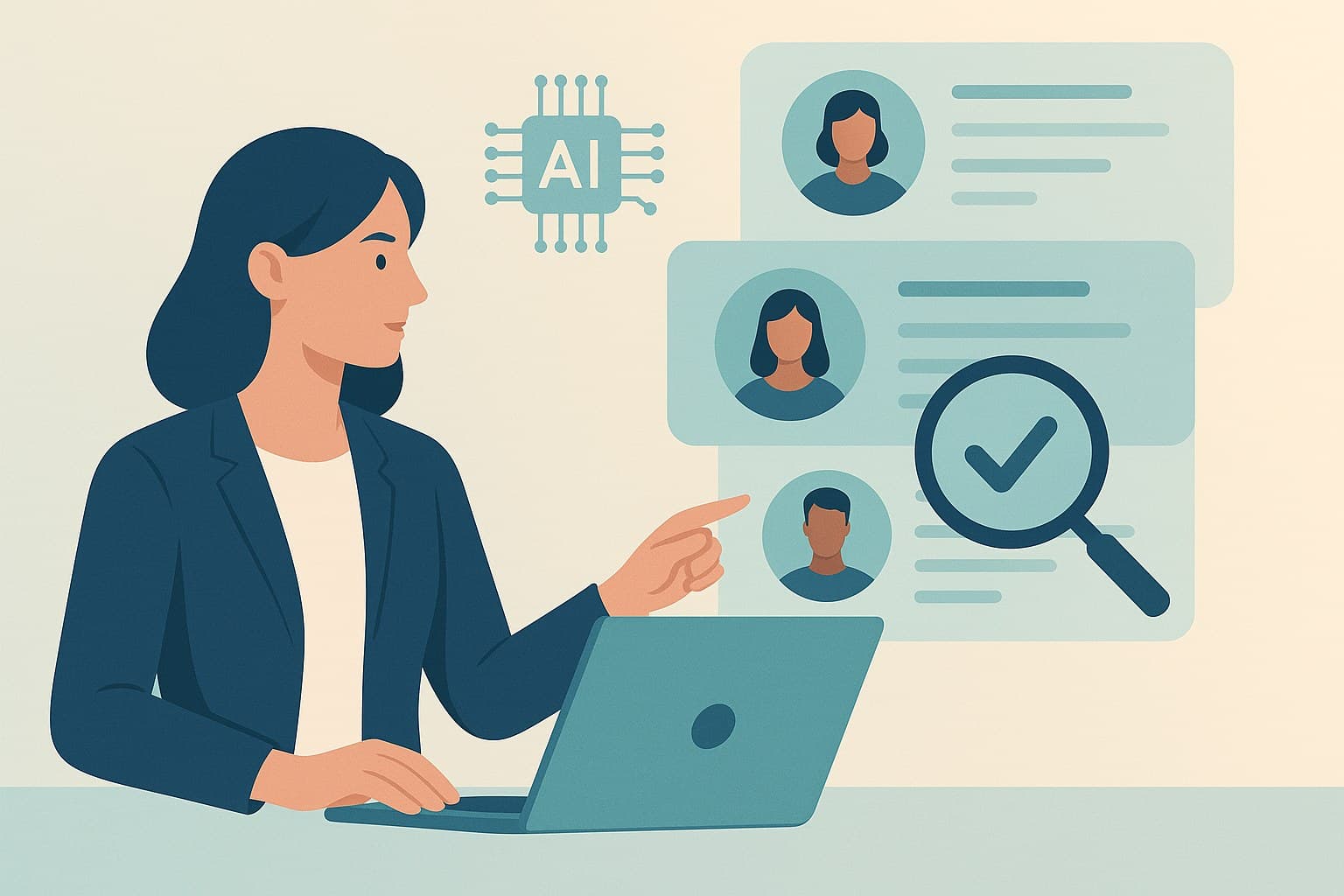
Enhancing Talent Management: The Role of AI Scoring Calibration Workshops
In today’s competitive business landscape, organizations are constantly seeking innovative methods to enhance their talent management strategies. With the rapid advancements in technology, Artificial Intelligence (AI) has emerged as a transformative tool in various domains, including human resources. One of the most promising applications of AI in HR is in the realm of scoring and assessment. To fully leverage the potential of AI in this area, businesses are increasingly turning to AI scoring calibration workshops. These workshops are designed to align AI tools with organizational goals, ensuring that they provide accurate, fair, and actionable insights. This article explores the significance of AI scoring calibration workshops and how they can be a game-changer for corporate decision-makers and HR leaders.
Understanding AI Scoring in HR
AI scoring involves the use of algorithms to evaluate and rank candidates or employees based on predefined criteria. These criteria can range from technical skills and experience to cultural fit and potential for growth. AI tools can process vast amounts of data to provide scores that help HR professionals make informed decisions about recruitment, promotions, and training needs.
However, the effectiveness of AI scoring depends heavily on the accuracy and fairness of the underlying algorithms. Without proper calibration, AI tools can produce biased or misleading results, leading to poor decision-making and potential legal challenges. This is where AI scoring calibration workshops come into play.
The Need for Calibration Workshops
AI scoring calibration workshops are designed to fine-tune the algorithms used in HR assessments. The goal is to ensure that these tools are aligned with the organization’s values, diversity goals, and business objectives. Calibration involves adjusting the algorithms to account for potential biases, ensuring that they evaluate candidates and employees fairly and accurately.
For corporate decision-makers and HR leaders, these workshops offer several key benefits:
-
Bias Mitigation: AI tools can inadvertently perpetuate existing biases present in historical data. Calibration workshops provide an opportunity to identify and correct these biases, promoting a more diverse and inclusive workplace.
-
Improved Accuracy: By refining the scoring algorithms, organizations can improve the accuracy of assessments, leading to better hiring and promotion decisions. Accurate scores help identify the best candidates for specific roles, ensuring that the organization is equipped with the right talent.
-
Alignment with Organizational Goals: Calibration workshops ensure that AI tools are tailored to reflect the specific needs and goals of the organization. This alignment is crucial for maximizing the return on investment in AI technology.
-
Enhanced Transparency: By involving various stakeholders in the calibration process, organizations can foster greater transparency and trust in AI tools. This is particularly important for gaining buy-in from employees and ensuring that AI is seen as a valuable resource rather than a threat.
Implementing AI Scoring Calibration Workshops
Successfully implementing AI scoring calibration workshops requires careful planning and execution. Here are some key steps HR leaders and corporate decision-makers should consider:
-
Assemble a Diverse Team: The calibration process should involve a diverse group of stakeholders, including HR professionals, data scientists, and representatives from various departments. This diversity ensures that multiple perspectives are considered, minimizing the risk of bias.
-
Define Clear Objectives: Before initiating the workshop, clearly define the objectives and desired outcomes. What specific biases are you trying to address? What are the organizational goals that the AI tools should align with? Having clear objectives will guide the calibration process and ensure that it is focused and effective.
-
Analyze Data and Algorithms: A thorough analysis of the data and algorithms used in AI scoring is essential. Identify potential sources of bias and areas where the algorithms may not align with organizational goals. Use this analysis to inform the calibration process.
-
Test and Iterate: Calibration is not a one-time event but an ongoing process. After making initial adjustments, test the algorithms to evaluate their effectiveness. Gather feedback from stakeholders and make further adjustments as needed. Continuous iteration ensures that the AI tools remain accurate and relevant over time.
-
Communicate and Educate: Effective communication is crucial for the success of AI scoring calibration workshops. Educate employees and stakeholders about the purpose and benefits of the calibration process. Transparently communicate any changes made to the algorithms and how they align with the organization’s goals.
Conclusion: The Strategic Advantage of AI Scoring Calibration
Incorporating AI scoring calibration workshops into an organization’s talent management strategy offers a strategic advantage in today’s competitive business environment. By ensuring that AI tools are accurate, fair, and aligned with organizational goals, businesses can make more informed decisions about their workforce. This not only enhances the effectiveness of recruitment and promotion processes but also promotes a more inclusive and equitable workplace.
For corporate decision-makers and HR leaders, investing in AI scoring calibration workshops is a forward-thinking move that can drive significant value. As AI continues to evolve, organizations that proactively align their AI tools with their strategic objectives will be better positioned to attract, retain, and develop top talent. In doing so, they will not only achieve their business goals but also create a workplace that is truly reflective of the diverse and dynamic world we live in.
Frequently Asked Questions
Key questions often raised by business leaders and HR teams:
What are AI scoring calibration workshops?
AI scoring calibration workshops are sessions designed to fine-tune algorithms used in HR assessments, ensuring they are accurate and fair.
Why is calibration important for AI tools in HR?
Calibration is crucial to mitigate biases and improve the accuracy of AI scoring, leading to better hiring and promotion decisions.
How can organizations implement AI scoring calibration workshops?
Organizations can implement these workshops by assembling a diverse team, defining clear objectives, analyzing data, testing algorithms, and communicating effectively.
What benefits do AI scoring calibration workshops provide?
These workshops help in bias mitigation, improve accuracy, align AI tools with organizational goals, and enhance transparency in the hiring process.
Who should be involved in the calibration process?
A diverse group of stakeholders, including HR professionals, data scientists, and representatives from various departments, should be involved to minimize bias.