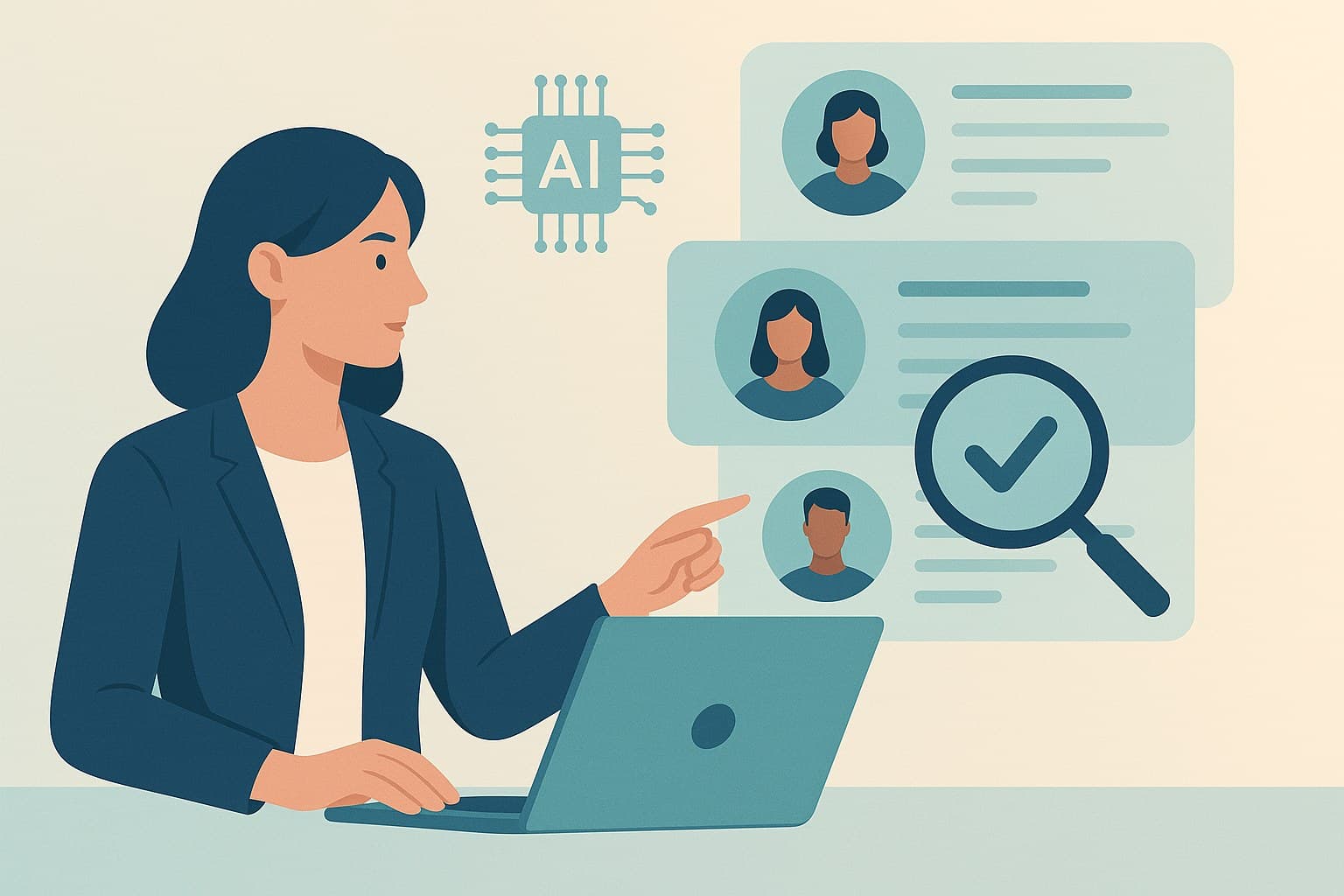
High Volume Hiring AI Screening: Revolutionizing Talent Acquisition
In today's fast-paced business environment, high volume hiring represents a significant challenge for companies aiming to fill numerous roles swiftly and efficiently. Traditional recruitment processes often buckle under the pressure of sorting through hundreds or thousands of applications, making them inadequate for high-volume needs. This is where AI screening steps in, offering a transformative approach that combines speed, accuracy, and fairness. This article explores the intricacies of high volume hiring AI screening, providing insights, data, and actionable takeaways for businesses.
Understanding High Volume Hiring
High volume hiring, often referred to as mass hiring, involves recruiting a large number of candidates within a short timeframe. It is prevalent in industries with seasonal demands, such as retail, hospitality, and logistics, or in fast-growing companies within the tech sector. The primary challenges include managing the sheer volume of applications, maintaining consistency in candidate evaluation, and ensuring a positive candidate experience.
The Role of AI in Recruitment
AI in recruitment leverages machine learning algorithms and natural language processing (NLP) to automate and enhance various aspects of the hiring process. Key functions include resume screening, candidate matching, interview scheduling, and even conducting preliminary assessments. AI tools can process vast amounts of data at unprecedented speeds, identifying patterns and insights that are often invisible to human recruiters.
Advantages of AI Screening
- Efficiency: AI can screen thousands of resumes in minutes, drastically reducing the time-to-hire.
- Consistency: Algorithms apply the same criteria to every application, eliminating human biases.
- Scalability: AI systems can easily scale up or down, depending on hiring needs.
- Improved Candidate Experience: Automated updates and interactions ensure that candidates remain engaged throughout the process.
How AI Screening Works in High Volume Hiring
AI screening tools utilize various techniques to enhance the recruitment process:
- Keyword Parsing: AI systems scan resumes for relevant keywords that match job descriptions, ensuring that only qualified candidates are shortlisted.
- Pattern Recognition: Machine learning algorithms identify patterns in successful hires, using this data to predict candidate suitability.
- Sentiment Analysis: NLP tools assess candidates' responses in applications or initial assessments to gauge personality traits and cultural fit.
Realistic Data Points and Insights
- Time Savings: According to a report by Ideal, companies using AI for resume screening can reduce screening time by up to 75% without compromising on quality.
- Increased Diversity: A study by Harvard Business Review found that AI screening tools can improve diversity in hiring by focusing solely on candidate qualifications and experience, thereby reducing unconscious bias.
- Cost Efficiency: Deloitte reports that AI-driven recruitment processes can cut costs by up to 30% due to reduced need for manual intervention and the ability to streamline workflows.
Implementing AI Screening: Best Practices
For businesses considering AI screening for high volume hiring, the following best practices are essential:
Define Clear Objectives
Businesses should have a clear understanding of what they hope to achieve with AI screening. Objectives may include reducing time-to-hire, improving candidate quality, or enhancing diversity. These goals will guide the selection and implementation of AI tools.
Choose the Right AI Tools
Selecting the appropriate AI solution is crucial. Companies should evaluate tools based on their specific needs, considering factors such as integration capabilities, scalability, and user-friendliness. Popular tools in the market include HireVue, Pymetrics, and Ideal.
Ensure Data Quality
AI tools are only as good as the data they are fed. Businesses must ensure that job descriptions, resume databases, and candidate information are accurate and up-to-date. Regular audits and updates to the system are necessary to maintain data integrity.
Monitor and Adjust
Continuous monitoring of AI systems is essential to ensure they are meeting the desired objectives. Regular audits can identify biases or inaccuracies in the algorithms, allowing for timely adjustments. Feedback from candidates and hiring managers can also provide valuable insights for improvement.
Challenges and Considerations
While AI screening offers numerous benefits, it is not without challenges:
Ethical Concerns
AI systems can perpetuate existing biases if not properly managed. It is crucial to ensure that datasets are diverse and representative to avoid discrimination. Transparency in how AI tools make decisions is also important for maintaining trust with candidates.
Candidate Perception
Some candidates may feel uncomfortable with AI-driven processes, fearing a lack of human touch. Companies must balance automation with personal interaction, potentially using AI for initial screenings and human recruiters for later stages.
Legal Implications
Compliance with employment laws is critical when implementing AI in recruitment. Businesses should ensure that their AI tools comply with regulations such as the General Data Protection Regulation (GDPR) and the Equal Employment Opportunity Commission (EEOC) guidelines.
Actionable B2B Takeaways
For businesses looking to leverage AI screening in high volume hiring, consider the following actionable strategies:
- Start Small: Pilot AI tools in specific departments or roles before a full-scale rollout. This approach allows for adjustments and learning without significant risk.
- Invest in Training: Educate HR teams on AI technologies and their benefits to ensure smooth integration and usage.
- Foster Collaboration: Encourage collaboration between AI providers and internal IT teams to ensure seamless integration with existing systems.
- Focus on Candidate Experience: Use AI to enhance, not replace, candidate interactions. Personalized communication and feedback can improve perceptions and outcomes.
Conclusion
High volume hiring is a complex challenge that requires innovative solutions. AI screening offers a powerful tool to streamline recruitment processes, improve efficiency, and enhance candidate quality. By understanding the capabilities and limitations of AI, companies can implement effective strategies that not only meet their hiring needs but also align with broader business objectives. As AI technology continues to evolve, its role in recruitment will undoubtedly expand, offering new opportunities for businesses to optimize their talent acquisition efforts.
Frequently Asked Questions
Key questions often raised by business leaders and HR teams:
What is high volume hiring?
High volume hiring refers to the recruitment of a large number of candidates within a short timeframe, often seen in industries with seasonal demands.
How does AI improve the hiring process?
AI improves hiring by automating resume screening, reducing time-to-hire, and ensuring consistent evaluation of candidates.
What are the challenges of using AI in recruitment?
Challenges include ethical concerns about bias, candidate perception of automation, and ensuring compliance with employment laws.
What best practices should businesses follow for AI screening?
Businesses should define clear objectives, choose the right AI tools, ensure data quality, and continuously monitor and adjust their systems.
How can AI screening enhance diversity in hiring?
AI screening can enhance diversity by focusing on candidate qualifications and experience rather than personal characteristics, reducing unconscious bias.