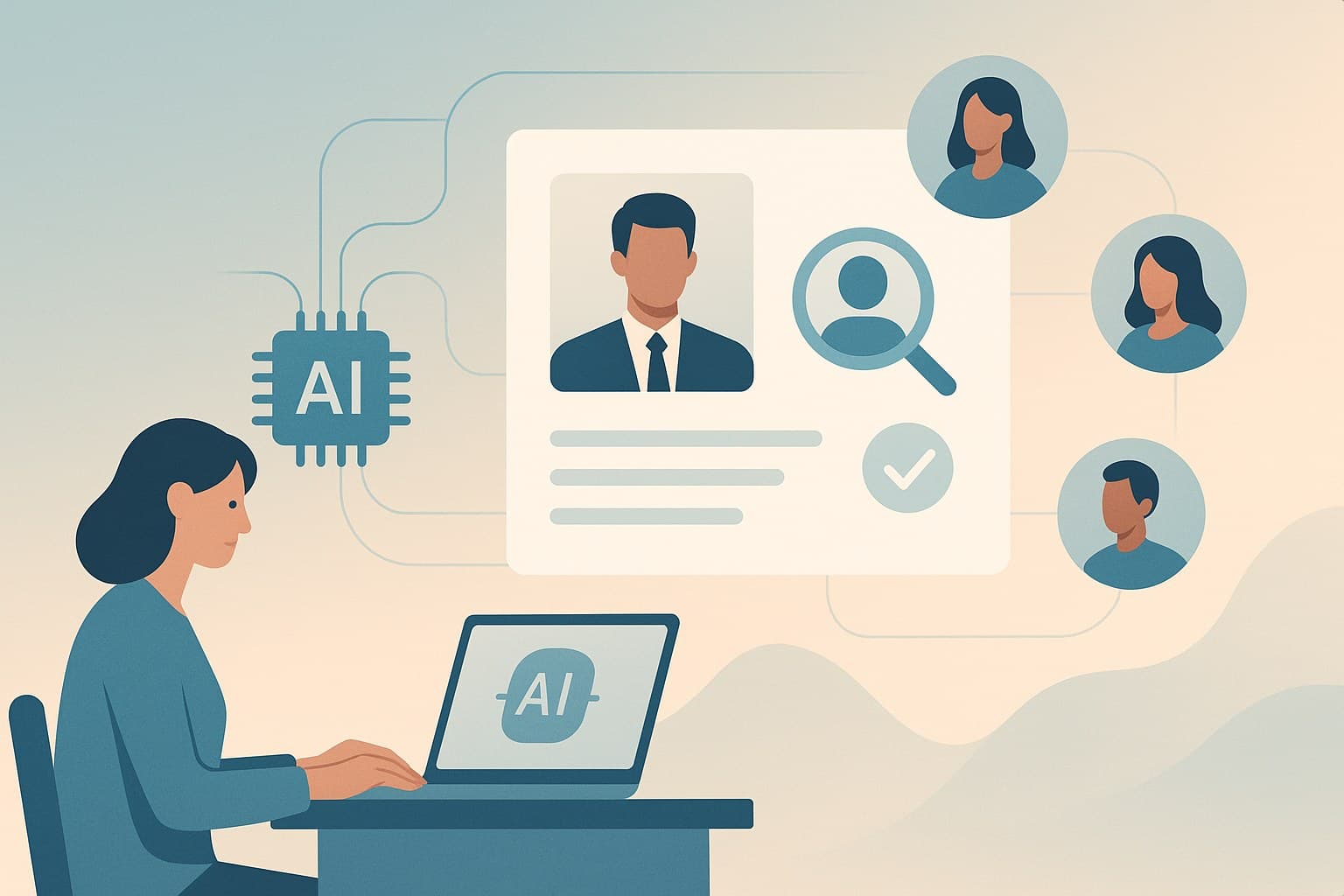
Leveraging AI in Seasonal Hiring: A Comprehensive Playbook for HR Leaders
As the holiday season approaches, many businesses face the challenge of scaling their workforce to meet increased demand. For HR leaders, the task of seasonal hiring can be daunting, often requiring rapid onboarding and training of a large number of employees. However, with advancements in artificial intelligence (AI), HR departments can streamline this process, ensuring both efficiency and effectiveness. This article serves as a comprehensive guide for HR leaders looking to leverage AI in their seasonal hiring strategy.
Understanding the Seasonal Hiring Landscape
Before delving into the role of AI, it's essential to understand the landscape of seasonal hiring. Retailers, hospitality providers, and logistics companies, among others, often experience a surge in demand during holiday seasons. This surge necessitates a quick expansion of staff, but the temporary nature of these roles can lead to high turnover rates and significant training costs. HR leaders must therefore focus on attracting the right talent quickly and efficiently.
The Role of AI in Seasonal Hiring
AI offers transformative potential for streamlining seasonal hiring processes. Here's how AI can be integrated into various stages of the hiring lifecycle:
-
Talent Sourcing and Screening:
- Automated Job Postings: AI can analyze job descriptions and optimize them for search engines, ensuring they reach a wider audience. Furthermore, AI can suggest the best platforms to post these jobs based on historical data.
- AI-Powered Candidate Screening: Machine learning algorithms can sift through large volumes of applications to identify candidates that best match the job criteria. This can significantly reduce the time spent on reviewing resumes manually.
-
Interview Process:
- AI-Driven Interview Scheduling: Coordinating interviews for a large number of candidates can be time-consuming. AI tools can automate scheduling by integrating with calendars and sending out invitations, reminders, and confirmations.
- Video Interview Analysis: AI can analyze video interviews to assess candidates' communication skills, emotional intelligence, and cultural fit. Natural language processing (NLP) can evaluate verbal responses, while computer vision can assess non-verbal cues.
-
Onboarding and Training:
- Personalized Onboarding Programs: AI can create tailored onboarding experiences by analyzing a new hire’s background and learning style preferences. This ensures that employees are quickly brought up to speed and feel integrated into the company culture.
- AI-Enhanced Training Modules: Interactive AI-driven training platforms can adapt to the learning pace and style of each employee, offering a more effective training process. These platforms can also provide real-time feedback and assessments.
Benefits of AI in Seasonal Hiring
Integrating AI into the seasonal hiring process offers several benefits:
-
Efficiency: Automating time-consuming tasks allows HR teams to focus on strategic decision-making rather than administrative burdens. AI can handle repetitive tasks like resume screening and interview scheduling, freeing up valuable time.
-
Improved Candidate Experience: A streamlined and efficient hiring process enhances the candidate experience. From quick responses to applications through automated systems to personalized onboarding, AI ensures candidates feel valued and engaged from the start.
-
Data-Driven Insights: AI provides HR leaders with valuable insights into hiring trends, candidate behaviors, and process efficiencies. By analyzing this data, HR departments can continuously refine their strategies, leading to better hiring outcomes.
-
Reduced Bias: AI can help reduce unconscious bias in the hiring process by focusing on data-driven criteria rather than subjective judgments. This leads to more diverse and inclusive hiring outcomes.
Challenges and Considerations
While AI presents numerous advantages, HR leaders must be mindful of potential challenges:
-
Data Privacy and Security: Handling sensitive candidate information requires robust data protection measures. HR leaders must ensure compliance with data protection regulations and implement secure data handling practices.
-
Algorithmic Bias: Although AI can reduce human bias, it can also perpetuate existing biases if not properly managed. It's crucial to regularly audit AI systems to ensure they are fair and unbiased.
-
Human Touch: While AI can automate many tasks, the human element remains vital in HR. Balancing AI efficiency with human empathy and judgment is crucial for successful hiring outcomes.
Conclusion
Incorporating AI into seasonal hiring processes offers HR leaders an opportunity to enhance efficiency, improve candidate experiences, and make data-driven decisions. By understanding the potential of AI and addressing its challenges, HR departments can successfully navigate the complexities of seasonal hiring. As technology continues to evolve, embracing AI will be key for HR leaders looking to maintain a competitive edge in today's fast-paced business environment. By following this playbook, organizations can ensure they are well-prepared to meet the demands of the holiday season and beyond.
Frequently Asked Questions
Key questions often raised by business leaders and HR teams:
How can AI improve the seasonal hiring process?
AI can automate tasks such as resume screening and interview scheduling, allowing HR teams to focus on strategic decision-making and improving candidate experiences.
What are the benefits of using AI in recruitment?
Benefits include increased efficiency, improved candidate experiences, data-driven insights, and reduced bias in hiring decisions.
What challenges should HR leaders be aware of when using AI?
HR leaders must consider data privacy, algorithmic bias, and the importance of maintaining a human touch in the hiring process.