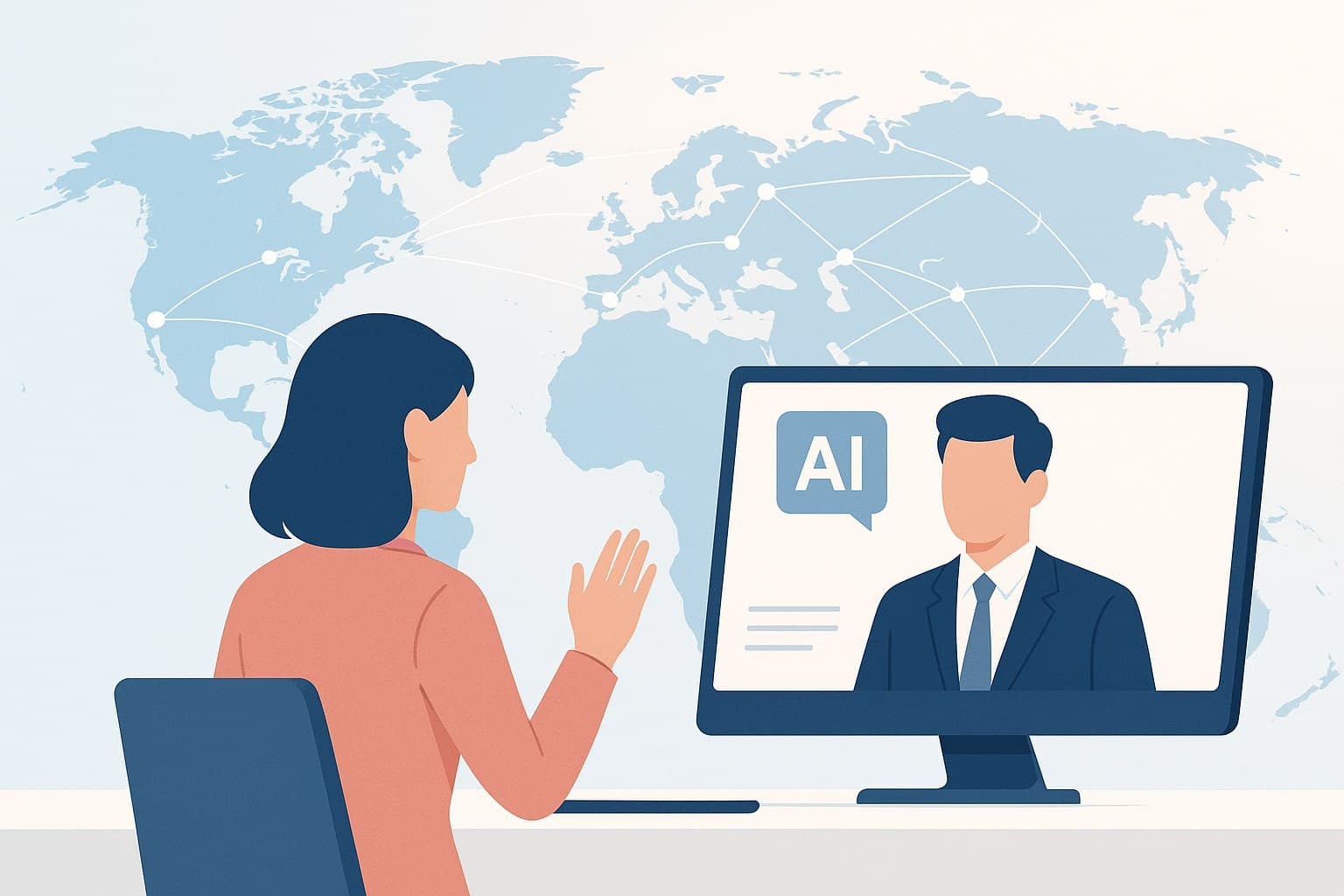
Leveraging AI for Seasonal Hiring in Retail: A Strategic Guide for Business Leaders and HR Executives
The retail industry is synonymous with fluctuating demand, especially during peak seasons such as holidays and major sales events. This cyclical nature poses a significant challenge for hiring managers who must rapidly scale their workforce to meet increased customer demands and then scale down post-peak. Enter Artificial Intelligence (AI), a transformative technology that is reshaping how businesses approach seasonal hiring. For business leaders and HR executives, understanding how to effectively integrate AI into the hiring process can result in substantial efficiency gains, cost savings, and a more agile workforce.
The Challenges of Seasonal Hiring in Retail
Before delving into AI solutions, it’s important to understand the unique challenges of seasonal hiring in the retail sector:
-
Volume and Speed: Retailers often need to hire large numbers of employees in a short timeframe to prepare for peak seasons. Traditional hiring processes can be too slow and cumbersome to meet these demands.
-
Quality of Hire: Balancing speed with quality is a major concern. While it’s crucial to fill positions quickly, hiring unsuitable candidates can lead to poor customer service and increased turnover.
-
Retention: Seasonal employees may not be as committed as permanent staff, leading to higher attrition rates. Ensuring a good match can improve retention even for short-term roles.
-
Cost-Effectiveness: The cost of hiring, training, and potentially replacing seasonal workers can be significant, impacting the bottom line.
How AI Transforms Seasonal Hiring
AI can address these challenges by enhancing every stage of the hiring process. Here’s how:
1. Sourcing and Screening Candidates
AI-powered platforms can analyze vast amounts of data to identify potential candidates much faster and more accurately than human recruiters. These systems can:
- Automate Job Postings: AI can determine the optimal channels and times to post job listings based on historical data and predictive analytics.
- Resume Screening: By using natural language processing (NLP), AI can quickly scan and assess resumes, identifying candidates who best match the job requirements.
- Predictive Hiring: AI can assess a candidate’s potential fit and performance using historical hiring data and predictive algorithms, prioritizing those more likely to stay through the season.
2. Enhancing Candidate Experience
A streamlined, engaging application process is vital for attracting top seasonal talent:
- Chatbots and Virtual Assistants: These tools can handle initial inquiries, schedule interviews, and provide candidates with timely updates, enhancing the overall candidate experience.
- Personalized Communication: AI can tailor communication to each candidate based on their profile and behavior, keeping them engaged throughout the hiring process.
3. Interview and Assessment
AI can assist in conducting initial assessments and interviews, ensuring a thorough and unbiased evaluation:
- Video Interviewing: AI can analyze video interviews to assess candidates’ responses, tone, and body language, providing insights beyond what is captured in a traditional interview.
- Skill Assessments: AI-driven platforms can administer and score skill assessments, ensuring candidates possess the necessary competencies for the role.
4. Onboarding and Training
Once candidates are hired, AI can facilitate a smooth onboarding process:
- Automated Onboarding: AI can manage paperwork, orientation scheduling, and initial training modules, allowing new hires to become productive more quickly.
- Tailored Training Programs: Based on the role and candidate’s background, AI can recommend specific training paths to enhance productivity and job satisfaction.
Strategic Implementation of AI in Seasonal Hiring
For business leaders and HR executives, the successful implementation of AI in seasonal hiring requires a strategic approach:
-
Define Clear Objectives: Align AI initiatives with business goals. Whether it’s reducing time-to-hire, improving candidate quality, or cutting costs, having clear objectives will guide the AI strategy.
-
Invest in the Right Technology: Choose AI tools that integrate seamlessly with existing HR systems and are user-friendly for both recruiters and candidates.
-
Ensure Data Privacy and Compliance: With AI handling sensitive candidate information, it’s crucial to comply with data privacy regulations such as GDPR and ensure robust data protection measures are in place.
-
Train HR Teams: Equip HR personnel with the skills and knowledge to leverage AI tools effectively. This includes understanding how AI makes decisions and how to interpret its outputs.
-
Monitor and Optimize: Continuously track the performance of AI tools and their impact on hiring metrics. Use this data to refine processes and improve outcomes over time.
Conclusion
AI offers a powerful solution for the complexities of seasonal hiring in the retail industry. By automating and optimizing various stages of the hiring process, AI not only speeds up recruitment but also enhances the quality and retention of seasonal staff. For business leaders and HR executives, embracing AI is not just about keeping up with technological trends; it’s about gaining a strategic advantage in a competitive market. As AI continues to evolve, its role in seasonal hiring will undoubtedly expand, offering even greater opportunities for innovation and efficiency. By strategically implementing AI, retailers can not only meet the demands of peak seasons but also build a more resilient and adaptable workforce for the future.
Frequently Asked Questions
Key questions often raised by business leaders and HR teams:
How can AI improve the speed of seasonal hiring?
AI can automate job postings and resume screening, significantly speeding up the hiring process.
What are the benefits of using AI for candidate screening?
AI enhances candidate screening by quickly identifying the best matches based on historical data and predictive analytics.
How does AI enhance the candidate experience?
AI tools like chatbots provide timely updates and personalized communication, making the application process more engaging.
What should businesses consider when implementing AI in hiring?
Businesses should define clear objectives, invest in user-friendly technology, and ensure data privacy compliance.
Can AI help with onboarding new hires?
Yes, AI can automate onboarding processes, helping new employees become productive more quickly.