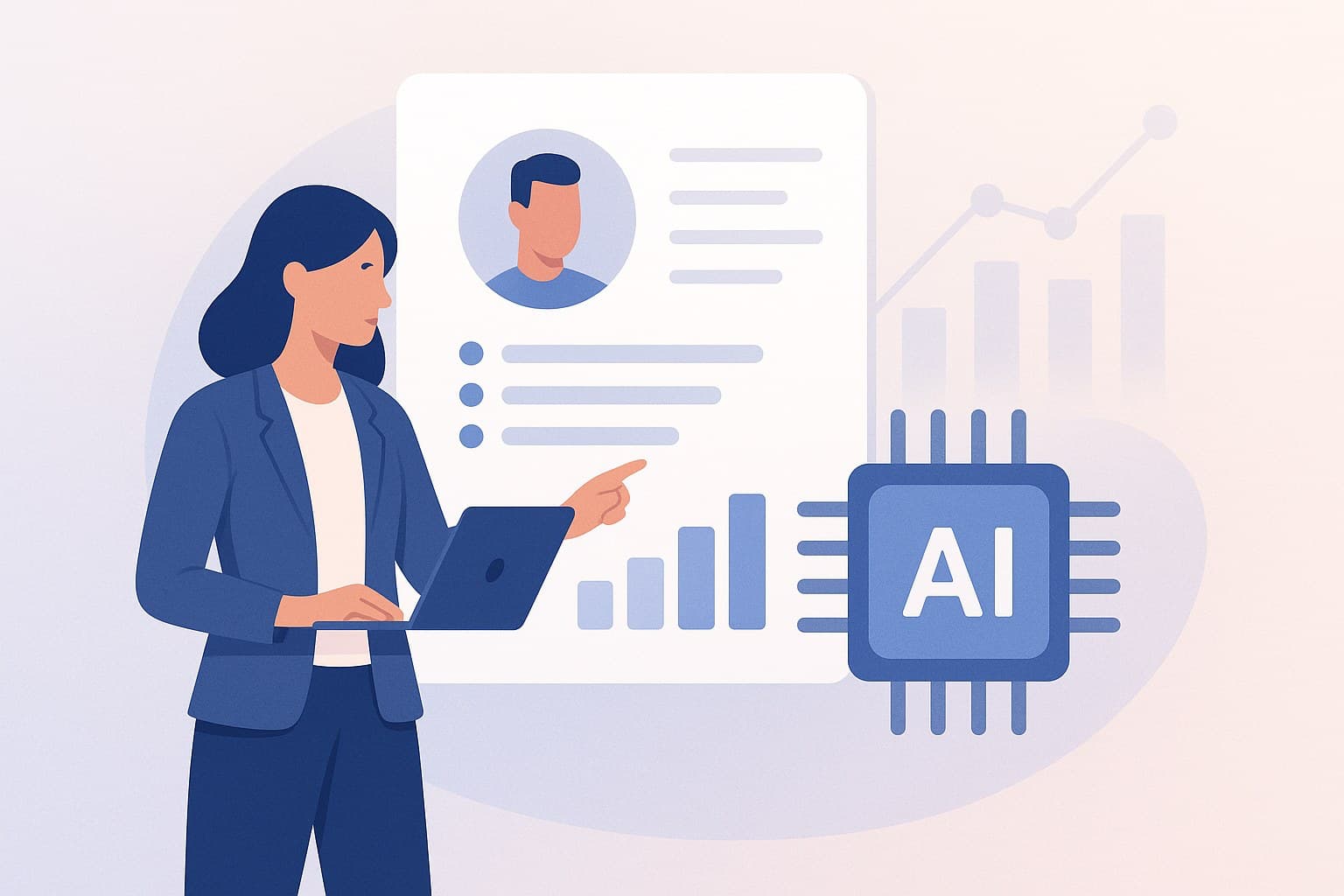
Leveraging AI Shortlist Retention Models: A Strategic Guide for Business Leaders and HR Executives
In today's fast-paced business environment, retaining top talent is as crucial as acquiring it. For HR executives and business leaders, employee retention is not merely a function of human resources but a strategic imperative that directly impacts the organization's bottom line. Enter the AI Shortlist Retention Model—a powerful tool that can revolutionize how companies approach talent management, reducing turnover and enhancing organizational stability. This article explores the benefits, implementation strategies, and potential challenges associated with AI-driven retention models, offering actionable insights for decision-makers.
Understanding AI Shortlist Retention Models
AI Shortlist Retention Models are sophisticated algorithms that utilize machine learning to predict employee turnover and identify key factors contributing to employee retention. By analyzing vast amounts of data, these models can detect patterns and trends that might be invisible to the human eye. The result is a shortlist of employees at risk of leaving, along with tailored recommendations for retaining them.
The Benefits of AI-Driven Retention Models
-
Predictive Insights: AI models provide predictive insights that allow HR teams to be proactive rather than reactive. By identifying at-risk employees early, companies can intervene with targeted strategies to increase retention.
-
Enhanced Decision-Making: With data-driven insights, HR professionals can make informed decisions about which retention strategies to implement, ensuring resources are allocated effectively.
-
Cost Efficiency: Reducing employee turnover saves recruitment and training costs. AI models help in minimizing these expenses by retaining existing talent.
-
Improved Employee Satisfaction: By addressing the specific needs of employees identified by AI models, companies can enhance job satisfaction and morale, leading to a more engaged workforce.
-
Competitive Advantage: Organizations that leverage AI for retention gain a competitive edge by maintaining a stable and experienced workforce, which is critical for sustained success.
Implementing AI Shortlist Retention Models
-
Data Collection and Integration: The first step is to gather relevant data, including employee demographics, performance metrics, engagement scores, and exit interview feedback. Integrating this data into a centralized system is crucial for accurate analysis.
-
Choosing the Right AI Tools: There are various AI tools available, from off-the-shelf solutions to custom-built models. Organizations should select tools that align with their specific needs and existing HR systems.
-
Collaboration Between HR and IT: Successful implementation requires collaboration between HR and IT departments. IT professionals can assist with data integration and system maintenance, while HR provides insights into employee behaviors and trends.
-
Training and Development: Equip your HR team with the necessary skills to interpret AI-generated data and implement retention strategies. This may involve training sessions or hiring data scientists to bridge the knowledge gap.
-
Continuous Monitoring and Adjustment: AI models require regular updates and adjustments to remain accurate. Continuous monitoring ensures the model evolves with changing workforce dynamics and business needs.
Challenges and Considerations
-
Data Privacy and Security: Handling sensitive employee data requires robust privacy measures. Ensure compliance with data protection regulations to safeguard employee information.
-
Bias in AI Models: AI models can inadvertently perpetuate biases present in historical data. It's essential to regularly audit these models to ensure fairness and equity in retention strategies.
-
Cultural Resistance: Introducing AI in HR processes may face resistance from employees who fear job displacement or privacy invasion. Clear communication and demonstrating the benefits of AI are crucial for gaining buy-in.
-
Integration with Existing Systems: Seamless integration of AI models with existing HR systems can be challenging. It may require significant investment in technology and resources.
Conclusion
AI Shortlist Retention Models represent a paradigm shift in how organizations manage talent retention. By leveraging these advanced tools, business leaders and HR executives can transform their approach to employee retention, driving organizational success through a stable and satisfied workforce. As AI technology continues to evolve, its role in strategic HR management will only become more pronounced, offering unparalleled opportunities to enhance workforce stability and performance.
In embracing AI-driven retention models, organizations not only safeguard their human capital but also position themselves as forward-thinking leaders in the competitive business landscape. The journey towards AI-enhanced retention is not without its challenges, but the potential rewards make it a worthy endeavor for any organization committed to long-term success.
Frequently Asked Questions
Key questions often raised by business leaders and HR teams:
What are AI Shortlist Retention Models?
AI Shortlist Retention Models are algorithms that use machine learning to predict employee turnover and identify factors that contribute to retention.
How can AI models improve employee retention?
AI models provide predictive insights that allow HR teams to intervene early with targeted strategies, ultimately reducing turnover.
What challenges might organizations face when implementing AI retention models?
Challenges include data privacy concerns, potential biases in AI models, and cultural resistance from employees.
What data is needed for AI Shortlist Retention Models?
Relevant data includes employee demographics, performance metrics, engagement scores, and feedback from exit interviews.
Why is collaboration between HR and IT important?
Collaboration ensures effective data integration and system maintenance, allowing HR to leverage AI insights effectively.