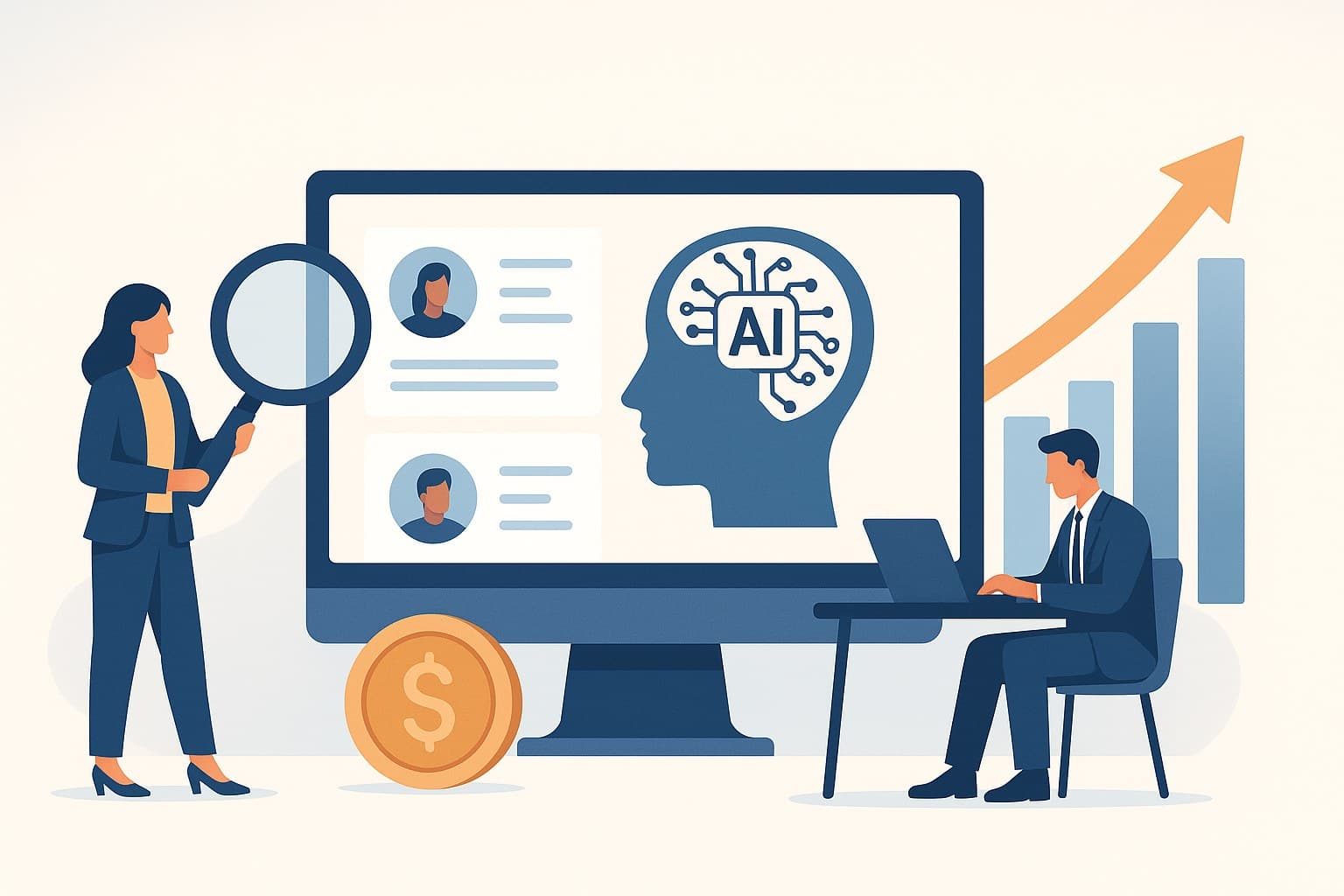
Enhancing Candidate Pipeline Elasticity with AI Shortlisting: A New Era for HR Leaders and Business Decision Makers
In today's fast-paced business environment, the ability to adapt quickly and efficiently is crucial. This adaptability extends beyond business models and financial strategies to the very heart of an organization: its workforce. The elasticity of a candidate pipeline refers to its flexibility and responsiveness in meeting the evolving needs of a company. With the advent of artificial intelligence (AI), HR leaders and business decision-makers have a powerful tool at their disposal to enhance this elasticity through AI-driven shortlisting.
Understanding Candidate Pipeline Elasticity
Candidate pipeline elasticity refers to the ability of an organization to effectively manage and adjust its recruitment process to meet fluctuating demands. A highly elastic candidate pipeline can quickly scale up or down depending on the company's hiring needs, market conditions, and strategic goals. This elasticity is crucial in maintaining a competitive edge, as it allows organizations to respond swiftly to changes without compromising on the quality of hires.
The Role of AI in Enhancing Elasticity
Artificial intelligence has revolutionized various aspects of business operations, and recruitment is no exception. AI-driven shortlisting involves using algorithms to screen and rank candidates based on predefined criteria, reducing the time and effort required in the initial stages of recruitment. By leveraging AI, HR departments can significantly enhance the elasticity of their candidate pipelines in several ways:
-
Speed and Efficiency: AI can process vast amounts of data at speeds unattainable by human recruiters. This capability allows organizations to handle increased volumes of applications without a corresponding increase in recruitment resources. As a result, HR teams can maintain momentum even when faced with sudden spikes in hiring demands.
-
Improved Matching: AI algorithms can analyze resumes and application materials to identify candidates whose skills and experiences align closely with the job requirements. This improved matching process not only speeds up recruitment but also enhances the quality of candidates entering the pipeline, ensuring that businesses can quickly respond to new opportunities or challenges with the right talent.
-
Bias Reduction: Human biases, whether conscious or unconscious, can affect recruitment decisions. AI-driven shortlisting can help mitigate these biases by focusing solely on data-driven criteria, promoting a more diverse and inclusive candidate pool. This inclusivity further enhances the elasticity of the pipeline by broadening the range of potential candidates.
-
Data-Driven Insights: AI tools can provide HR leaders with valuable insights into the recruitment process, such as candidate drop-off rates, time-to-hire metrics, and the effectiveness of different sourcing channels. These insights enable more informed decision-making and strategic adjustments to the recruitment process, enhancing its responsiveness and elasticity.
Implementing AI Shortlisting: Best Practices
For HR leaders and business decision-makers looking to implement AI-driven shortlisting, there are several best practices to consider:
-
Define Clear Objectives: Before integrating AI into the recruitment process, it is essential to have a clear understanding of the specific objectives and outcomes you wish to achieve. Whether it is reducing time-to-hire, improving candidate quality, or increasing diversity, having clear goals will guide the implementation process.
-
Select the Right Tools: There are numerous AI tools available for recruitment, each with its own strengths and weaknesses. It is crucial to select tools that align with your organization's specific needs and that can integrate seamlessly with existing HR systems.
-
Ensure Data Quality: The effectiveness of AI algorithms depends heavily on the quality of data they process. Ensuring that candidate data is accurate, up-to-date, and free from bias is essential for the success of AI-driven shortlisting.
-
Maintain Human Oversight: While AI can significantly enhance the recruitment process, human oversight remains crucial. HR professionals should use AI as a tool to support, rather than replace, their expertise and intuition. Regularly reviewing AI-generated shortlists and making adjustments as needed will ensure the best outcomes.
-
Continuously Evaluate and Adapt: The recruitment landscape is dynamic, and the effectiveness of AI tools can change over time. Continuous evaluation and adaptation of AI processes will ensure that they remain aligned with organizational goals and contribute to a highly elastic candidate pipeline.
Conclusion
The integration of AI-driven shortlisting into the recruitment process represents a significant step forward in enhancing candidate pipeline elasticity. For HR leaders and business decision-makers, this technology offers the potential to respond more swiftly and effectively to changing business needs, while also improving the quality and diversity of hires. By embracing AI, organizations can build a more adaptable and resilient workforce, positioning themselves for sustained success in an ever-changing business landscape. As the use of AI in recruitment continues to evolve, those who leverage its capabilities will be better equipped to navigate the challenges and opportunities of the future.
Frequently Asked Questions
Key questions often raised by business leaders and HR teams:
What is candidate pipeline elasticity?
Candidate pipeline elasticity refers to an organization's ability to manage and adjust its recruitment process to meet changing demands efficiently.
How does AI improve the recruitment process?
AI improves recruitment by processing large volumes of data quickly, enhancing candidate matching, reducing biases, and providing valuable insights.
What are best practices for implementing AI in recruitment?
Best practices include defining clear objectives, selecting the right tools, ensuring data quality, maintaining human oversight, and continuously evaluating processes.
Can AI completely replace human recruiters?
No, AI should support human recruiters, not replace them. Human oversight is essential to ensure the best outcomes in the recruitment process.
What benefits does AI-driven shortlisting offer?
AI-driven shortlisting offers speed, improved candidate matching, bias reduction, and data-driven insights, enhancing the overall recruitment process.