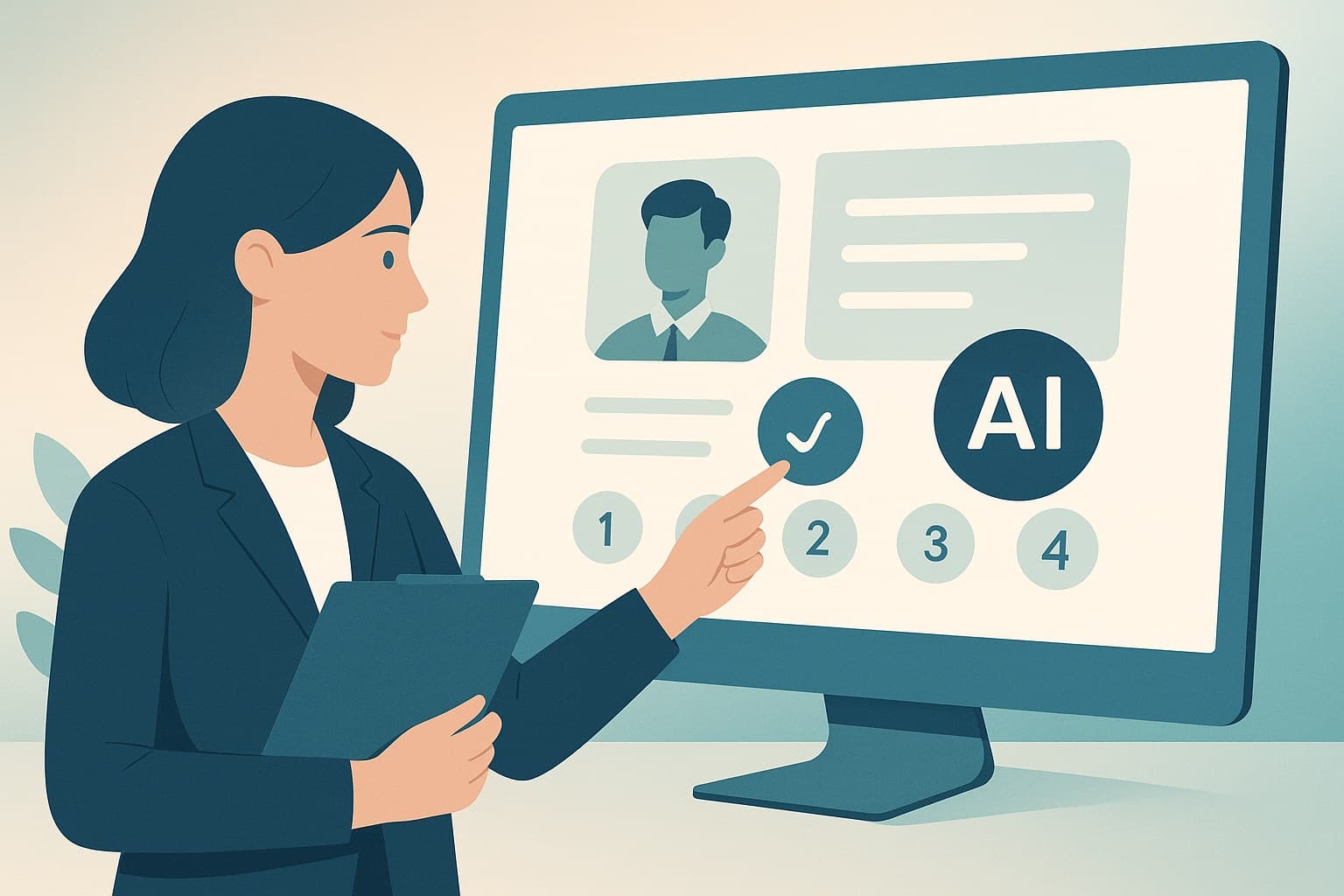
Bridging the Skills Gap: The Role of AI in Resume Skills Gap Forecasting for HR Leaders
In the rapidly evolving business landscape, staying ahead of the competition requires more than just innovation in products and services. It demands an agile workforce equipped with the necessary skills to meet current and future challenges. For HR leaders and corporate decision-makers, identifying and addressing skills gaps within their teams is crucial. This is where AI-driven resume skills gap forecasting comes into play, offering a strategic advantage by predicting and bridging these gaps efficiently.
Understanding the Skills Gap
The skills gap is the disparity between the skills an organization needs and the skills its workforce possesses. This gap can result from technological advancements, industry shifts, or changes in business strategies. It poses a significant challenge, potentially leading to decreased productivity, lower employee morale, and ultimately, a negative impact on the bottom line.
Traditional methods of skills gap analysis often rely on periodic performance reviews and subjective assessments, which may not accurately capture the dynamic nature of skill requirements. Additionally, these methods can be time-consuming and may fail to provide proactive solutions. This is where AI offers transformative potential.
AI-Powered Skills Gap Forecasting
AI technologies, particularly machine learning and natural language processing, have revolutionized the way organizations analyze and interpret data. In the context of HR, AI can process vast amounts of employee data, including resumes, performance metrics, and learning and development records, to identify skills gaps and predict future needs.
-
Data Collection and Integration
AI systems can aggregate data from various sources such as resumes, internal databases, and external job market trends. This holistic view enables HR leaders to understand the current skillset of their workforce and benchmark it against industry standards.
-
Predictive Analytics
By employing predictive analytics, AI can forecast future skill requirements based on trends in technology, industry changes, and company objectives. This foresight allows organizations to plan and implement training programs proactively, rather than reactively addressing skill deficiencies as they arise.
-
Personalized Learning Paths
AI can also help in creating personalized learning and development paths for employees. By analyzing individual skill profiles, AI systems can recommend training modules tailored to bridge specific gaps, thereby enhancing the efficiency of upskilling initiatives.
-
Real-Time Monitoring and Feedback
Continuous monitoring of skills development progress is another advantage of AI. HR leaders can receive real-time feedback on the effectiveness of training programs and make necessary adjustments to ensure alignment with business goals.
Benefits for HR Leaders
For HR leaders, the integration of AI in skills gap forecasting offers several benefits:
-
Strategic Workforce Planning: AI provides valuable insights that enable HR leaders to align workforce capabilities with strategic objectives, ensuring that the organization is well-prepared for future challenges.
-
Cost Efficiency: By accurately identifying skills gaps and targeting training efforts, organizations can optimize their investment in employee development, reducing unnecessary training costs.
-
Enhanced Employee Engagement: Offering personalized learning opportunities can improve employee satisfaction and engagement, as employees feel valued and supported in their professional growth.
-
Competitive Advantage: Organizations that proactively address skills gaps can adapt more quickly to market changes, maintaining a competitive edge.
Challenges and Considerations
While AI presents significant opportunities, HR leaders must also consider potential challenges:
-
Data Privacy: The use of AI involves handling sensitive employee data. Ensuring compliance with data privacy regulations and maintaining transparency with employees is crucial.
-
Bias and Fairness: AI systems can inadvertently perpetuate biases present in historical data. HR leaders must work closely with AI developers to ensure that algorithms are fair and unbiased.
-
Change Management: Integrating AI into HR processes requires a shift in mindset and operations. HR leaders must manage this transition effectively, ensuring buy-in from all stakeholders.
Conclusion
In an era where the only constant is change, the ability to forecast and bridge skills gaps is a critical capability for any organization. AI-driven resume skills gap forecasting provides HR leaders with the tools to anticipate and address these gaps, enabling strategic workforce planning and sustainable growth. By leveraging AI, organizations can not only enhance their operational efficiency but also foster a culture of continuous learning and development, ensuring they are well-equipped to navigate the challenges of the future. As AI technology continues to evolve, its role in transforming HR functions will become increasingly indispensable, making it a key ally for HR leaders aiming to build resilient and future-ready teams.
Frequently Asked Questions
Key questions often raised by business leaders and HR teams:
What is a skills gap?
A skills gap is the difference between the skills an organization needs and the skills its workforce currently possesses.
How does AI help in skills gap forecasting?
AI analyzes employee data to predict future skill needs, enabling proactive training and development strategies.
What are the benefits of AI in HR?
AI enhances workforce planning, reduces training costs, and improves employee engagement through personalized learning opportunities.
What challenges do HR leaders face with AI integration?
HR leaders must address data privacy concerns, ensure fairness in AI algorithms, and manage change effectively within the organization.