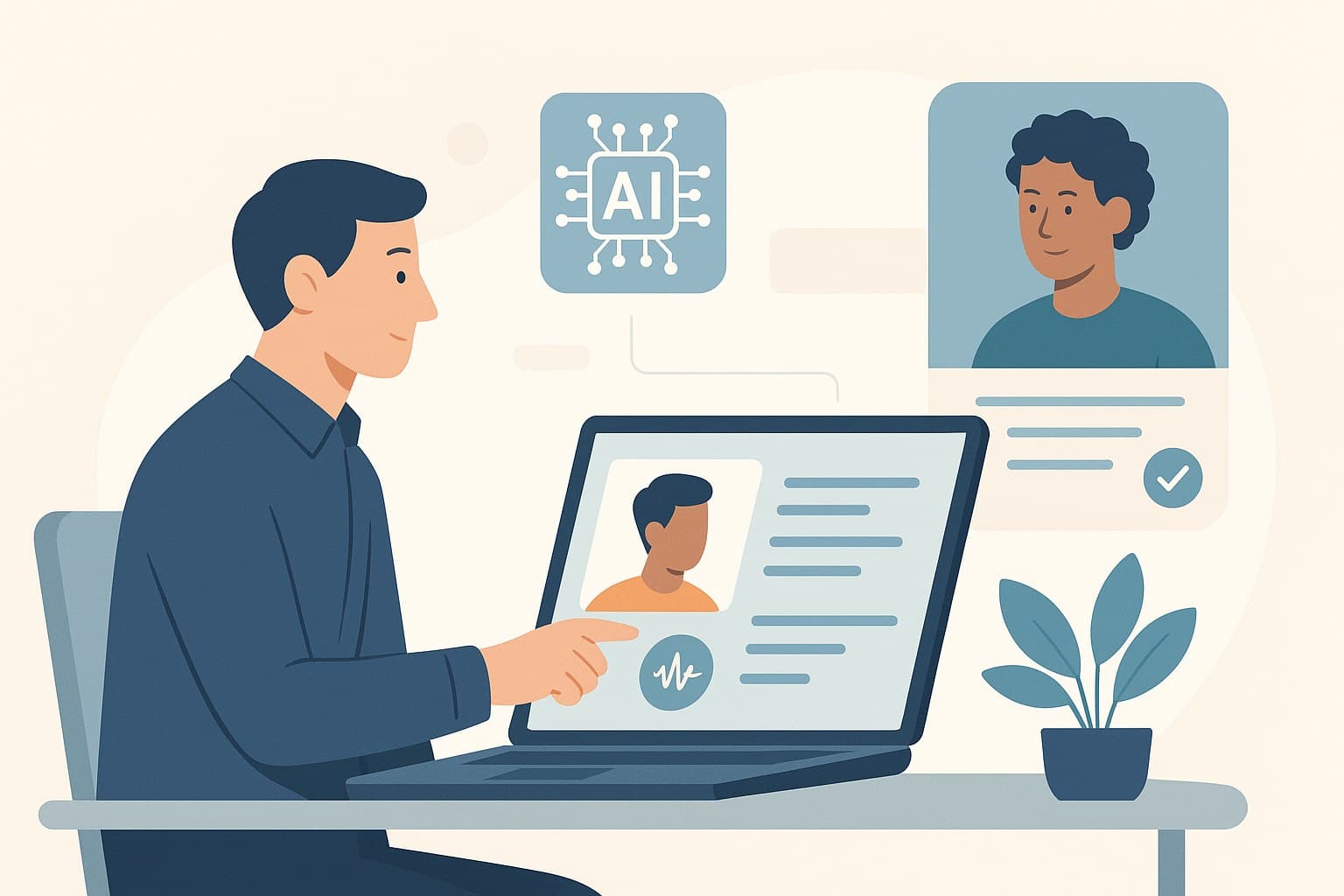
Harnessing AI for Soft Skills Measurement: The Big Five Model for HR Leaders and Business Decision Makers
In today's rapidly evolving business landscape, the significance of soft skills has never been more pronounced. As organizations strive to adapt to new challenges and cultivate robust workplace cultures, the ability to effectively measure and develop these skills becomes crucial. Enter the realm of Artificial Intelligence (AI) and the Big Five personality traits – a powerful combination that offers transformative potential for HR leaders and business decision makers.
Understanding the Importance of Soft Skills
Soft skills, often referred to as interpersonal or people skills, encompass a range of abilities that facilitate effective communication, collaboration, and problem-solving. Unlike hard skills, which are job-specific and technical, soft skills are universally applicable and enable individuals to navigate the complexities of the workplace.
In a world where automation and AI are taking over routine tasks, soft skills like emotional intelligence, adaptability, and leadership have emerged as key differentiators. Companies are increasingly recognizing that employees with strong soft skills are better equipped to drive innovation, enhance customer satisfaction, and foster a positive organizational culture.
The Big Five Personality Traits: A Foundation for Measurement
To effectively measure soft skills, it's essential to start with a robust framework. The Big Five personality traits, also known as the Five Factor Model, offer a scientifically grounded approach to understanding human personality. The Big Five traits are:
- Openness to Experience: Reflects an individual's level of creativity, curiosity, and willingness to try new things.
- Conscientiousness: Indicates how organized, dependable, and disciplined a person is.
- Extraversion: Measures sociability, assertiveness, and the tendency to seek out social interactions.
- Agreeableness: Relates to a person's level of empathy, cooperation, and kindness.
- Neuroticism: Assesses emotional stability and the tendency to experience negative emotions.
These traits provide a comprehensive framework for evaluating an individual's personality and, by extension, their soft skills.
Leveraging AI for Soft Skills Assessment
Artificial Intelligence offers unprecedented capabilities for assessing soft skills through the Big Five model. Here's how AI can revolutionize the measurement and development of these skills:
-
Data Collection and Analysis: AI can process vast amounts of data from various sources such as emails, chat logs, and performance reviews to assess an individual's personality traits. Natural language processing (NLP) techniques enable AI to analyze language patterns and gauge traits like openness and agreeableness.
-
Predictive Insights: AI algorithms can identify patterns and correlations between personality traits and job performance. This allows HR leaders to predict which candidates are most likely to excel in specific roles based on their soft skills profile.
-
Personalized Development Plans: With AI-generated insights, organizations can create personalized development plans for employees. Tailored training programs can enhance specific soft skills, helping individuals reach their full potential.
-
Bias Mitigation: AI-driven assessments can help reduce unconscious bias in the hiring process. By focusing on objective data and traits, organizations can make more equitable hiring decisions.
-
Continuous Feedback and Improvement: AI systems can provide real-time feedback to employees, encouraging continuous improvement of soft skills. This proactive approach fosters a culture of learning and development.
Implementing AI-Driven Soft Skills Measurement
For HR leaders and business decision makers looking to leverage AI for soft skills measurement, the following steps are essential:
-
Define Key Soft Skills: Identify the soft skills that are most critical for your organization's success. Consider the roles and responsibilities of employees and the skills that will drive performance and growth.
-
Select the Right Tools: Choose AI-powered assessment tools that align with the Big Five model. Look for platforms that offer reliable data collection, analysis, and reporting capabilities.
-
Ensure Data Privacy and Security: Given the sensitive nature of personality assessments, prioritize data privacy and security. Ensure that the AI systems you use comply with relevant regulations and industry standards.
-
Foster a Culture of Acceptance: Communicate the value of AI-driven assessments to employees, emphasizing how these tools can support their growth and development. Encourage an open mindset towards feedback and continuous improvement.
-
Monitor and Refine: Regularly evaluate the effectiveness of AI-driven assessments and make necessary adjustments. Collect feedback from employees and managers to ensure the process remains relevant and beneficial.
Challenges and Considerations
While AI offers tremendous potential, it's important to acknowledge the challenges and considerations associated with its use in soft skills measurement:
-
Ethical Concerns: The use of AI in personality assessment raises ethical questions about privacy, consent, and the potential for misuse. Organizations must navigate these issues thoughtfully.
-
Accuracy and Reliability: AI models are only as good as the data they are trained on. Ensuring the accuracy and reliability of AI-driven assessments requires ongoing refinement and validation.
-
Human Oversight: While AI can provide valuable insights, human judgment remains crucial. HR professionals should interpret AI-generated data in context and consider qualitative factors.
Conclusion
Incorporating AI into the measurement of soft skills through the Big Five model represents a paradigm shift for HR leaders and business decision makers. By harnessing the power of AI, organizations can gain deeper insights into employee potential, streamline talent acquisition, and drive continuous development. As the workplace continues to evolve, the integration of AI and the Big Five model will be instrumental in shaping the future of work – one where soft skills are recognized, nurtured, and celebrated.
Frequently Asked Questions
Key questions often raised by business leaders and HR teams:
What are soft skills?
Soft skills are interpersonal skills that enable effective communication, collaboration, and problem-solving in the workplace.
How does AI help in measuring soft skills?
AI analyzes data from various sources to assess personality traits, providing insights into an individual's soft skills profile.
What are the Big Five personality traits?
The Big Five traits include Openness, Conscientiousness, Extraversion, Agreeableness, and Neuroticism, which help evaluate personality and soft skills.
What challenges come with using AI for soft skills assessment?
Challenges include ethical concerns, ensuring accuracy, and the need for human oversight in interpreting AI-generated data.