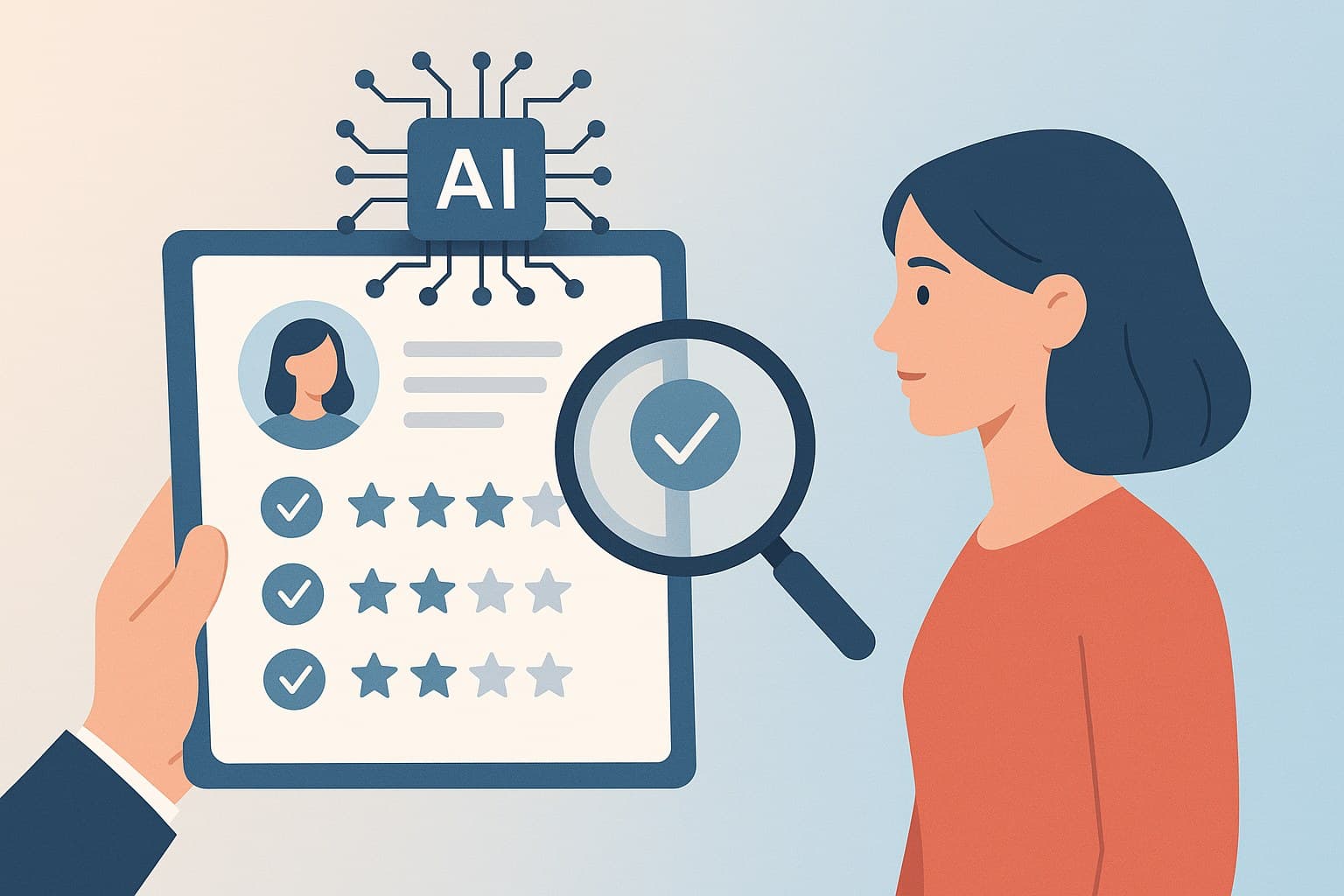
Title: Enhancing Recruitment Processes through AI-Powered Soft Skills Evaluation
In the rapidly evolving corporate landscape, where technological advancements are reshaping traditional paradigms, the recruitment process is no exception. Companies are increasingly seeking innovative solutions to streamline hiring and ensure they onboard candidates who not only possess the necessary technical skills but also the soft skills that are crucial for organizational success. This is where AI-powered soft skills evaluation comes into play, offering a transformative approach to recruitment.
Understanding Soft Skills
Before delving into AI integration, it's essential to understand what soft skills entail. Unlike hard skills, which are technical and job-specific, soft skills encompass interpersonal attributes and personality traits that influence how individuals interact within a team and adapt to the corporate environment. These include communication, teamwork, adaptability, problem-solving, and emotional intelligence. In today's collaborative and dynamic work settings, soft skills are often as critical, if not more, than hard skills.
The Role of AI in Soft Skills Evaluation
The traditional methods of evaluating soft skills during interviews often rely heavily on subjective judgments, which can lead to inconsistencies and biases. These methods typically include behavioral questions, situational judgment tests, and role-playing scenarios. While effective to an extent, they are not foolproof. This is where artificial intelligence offers a significant advantage.
AI-powered tools utilize machine learning algorithms and natural language processing to analyze various aspects of a candidate's responses, both verbal and written, to gauge their soft skills. These tools assess tone, sentiment, engagement level, and even facial expressions and body language through video interviews. The result is a more objective, consistent, and scalable evaluation process.
Advantages of AI in Soft Skills Evaluation
1. Objectivity and Bias Reduction
One of the most significant benefits of using AI in soft skills evaluation is the reduction of human biases. Recruiters, despite their best intentions, can be influenced by unconscious biases related to a candidate's appearance, accent, or background. AI tools, however, focus solely on data-driven insights, ensuring a more equitable assessment process.
2. Consistency and Scalability
AI enables companies to maintain consistency in evaluations across all candidates, which is challenging to achieve with human interviewers. Furthermore, AI can efficiently handle a large volume of candidates, making it an invaluable tool for organizations that regularly recruit in bulk or have high turnover rates.
3. Enhanced Predictive Accuracy
By analyzing historical data and patterns, AI can predict a candidate's future performance and cultural fit more accurately than traditional methods. This predictive capability helps in identifying individuals who are not only qualified but also likely to thrive and contribute positively to the organization.
4. Efficiency and Time-Saving
The automation of soft skills evaluation through AI significantly reduces the time spent on initial candidate screening. This allows HR teams to focus their efforts on deeper engagement with shortlisted candidates and more strategic aspects of the recruitment process.
Implementing AI in Recruitment: Best Practices
For HR leaders considering integrating AI into their recruitment processes, a thoughtful approach is crucial. Here are some best practices to ensure successful implementation:
1. Define Clear Objectives
Before deploying AI tools, it’s important to define clear objectives and understand what specific soft skills are most valuable to your organization. This clarity will guide the selection of the right AI tools and metrics.
2. Choose the Right Tools
Selecting AI tools that align with your organizational needs is essential. Look for tools with proven accuracy, strong data security measures, and the ability to integrate seamlessly with your existing HR systems.
3. Ensure Transparency and Compliance
Transparency in AI processes is vital. Candidates should be informed about how AI will be used in their evaluation. Moreover, compliance with data protection regulations, such as GDPR, is non-negotiable to safeguard candidate information.
4. Combine AI with Human Insight
While AI offers significant advantages, it should complement, not replace, human judgment. HR professionals should use AI-generated insights as a foundation for more in-depth personal interviews and cultural assessments.
The Future of Recruitment
The integration of AI in soft skills evaluation is still in its nascent stages, with immense potential for growth and refinement. As AI technologies continue to advance, they will offer even more sophisticated analyses, such as real-time feedback during interviews and more nuanced emotional intelligence assessments.
However, it is crucial for HR leaders and decision-makers to remain vigilant about the ethical implications of AI in recruitment. Continuous monitoring and updating of AI systems are necessary to ensure fairness, accuracy, and alignment with organizational values.
Conclusion
AI-powered soft skills evaluation presents a compelling opportunity for organizations to enhance their recruitment processes. By providing objective, consistent, and efficient assessments, AI helps companies identify candidates who are not only technically proficient but also possess the interpersonal skills necessary for success in today's collaborative work environment. For HR leaders, embracing this technology is a strategic move towards building a more dynamic, diverse, and capable workforce. As we move forward, the collaboration between AI and human insight will undoubtedly set the standard for future recruitment methodologies, ensuring that companies remain competitive and innovative in the talent acquisition landscape.
Frequently Asked Questions
Key questions often raised by business leaders and HR teams:
What are soft skills?
Soft skills are interpersonal attributes and personality traits that influence how individuals interact and adapt in a workplace. Examples include communication, teamwork, and emotional intelligence.
How does AI improve soft skills evaluation?
AI enhances soft skills evaluation by providing objective assessments, reducing biases, and analyzing candidate responses through data-driven insights.
What should HR leaders consider when implementing AI in recruitment?
HR leaders should define clear objectives, choose the right tools, ensure transparency, and combine AI insights with human judgment for effective recruitment.
Is AI in recruitment ethical?
While AI offers many benefits, it is crucial to monitor its use for fairness and compliance with data protection regulations to maintain ethical standards.
What is the future of AI in recruitment?
The future of AI in recruitment includes more sophisticated analyses, real-time feedback during interviews, and enhanced emotional intelligence assessments.