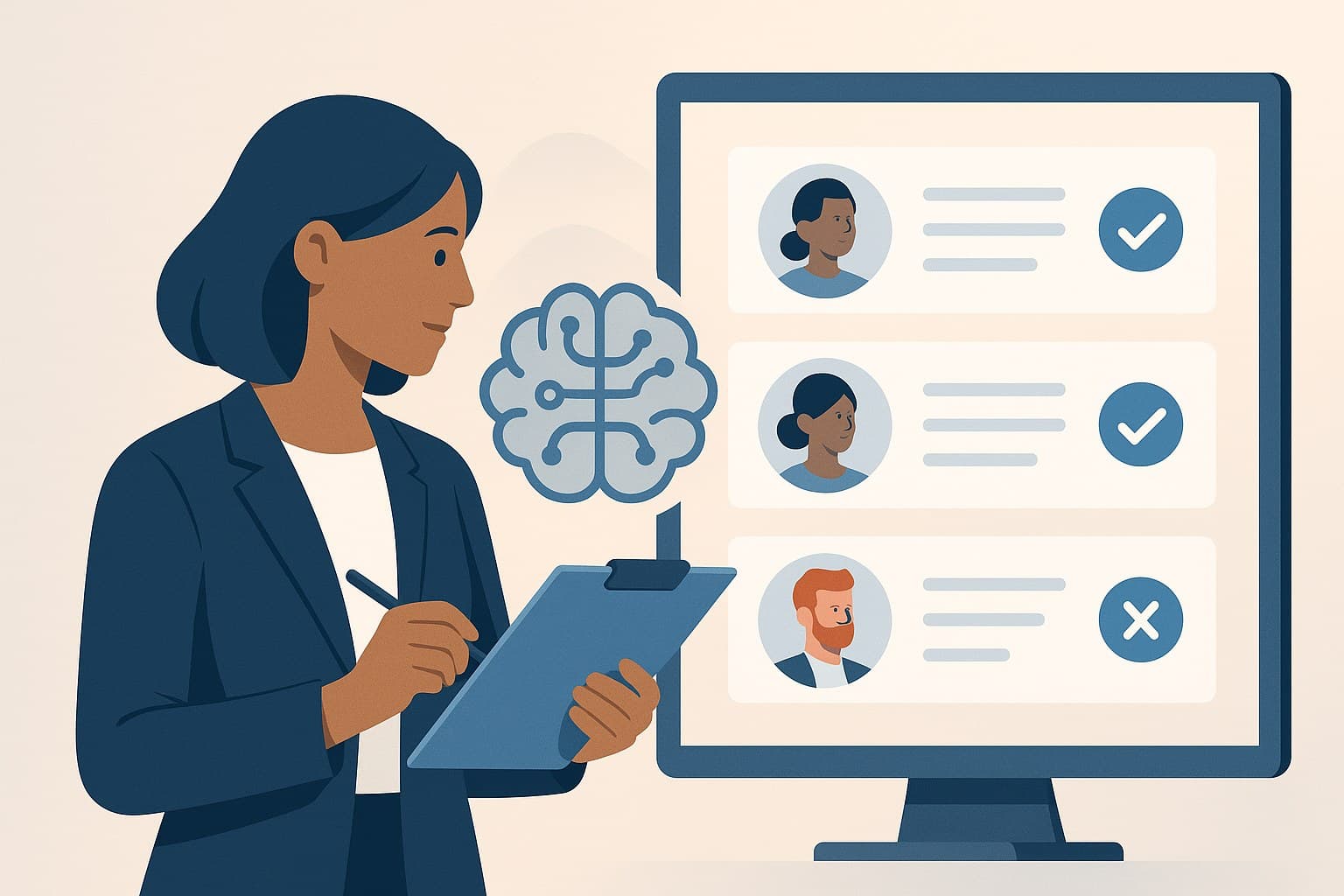
Harnessing AI for Accurate Time-to-Productivity Predictions in Recruitment
In today's fast-paced business environment, maximizing employee productivity is a top priority for any organization. One of the crucial aspects of achieving this goal is understanding how quickly new hires can become productive in their roles. Traditionally, time-to-productivity has been a challenging metric to predict, often relying on gut feeling or anecdotal evidence. However, with the advent of artificial intelligence (AI), companies can now leverage data-driven insights to make more accurate predictions regarding a new employee's time-to-productivity. This article explores how AI can revolutionize this aspect of recruitment and why it’s a game-changer for corporate decision-makers and HR leaders.
Understanding Time-to-Productivity
Time-to-productivity refers to the period it takes for a new employee to reach a level of performance that meets the minimum standards expected for their role. This metric is critical because prolonged periods of low productivity can impact team dynamics, project timelines, and ultimately, the company's bottom line. Conversely, rapid integration and productivity from new hires can drive innovation and growth.
The Role of AI in Predicting Time-to-Productivity
AI’s capacity to analyze vast amounts of data and identify patterns makes it an ideal tool for predicting time-to-productivity. By examining historical data on past hires, AI algorithms can identify key indicators that correlate with quicker integration and higher performance levels. These indicators might include educational background, previous work experience, skill assessments, and even personality traits.
One significant advantage of using AI for these predictions is its ability to minimize human bias. Traditional recruitment processes are often subject to unconscious biases, which can skew the assessment of a candidate's potential. AI, on the other hand, evaluates candidates based on objective data, thus providing a more equitable and accurate prediction.
How AI Models Work
AI models designed to predict time-to-productivity typically use machine learning techniques. These models are trained on historical data, including performance reviews, onboarding processes, and employee engagement levels. Once trained, the models can predict how quickly a new hire will become productive based on their profile and the specific role they are being considered for.
For example, an AI model might analyze patterns and deduce that candidates from certain educational backgrounds or industries tend to ramp up more quickly in specific roles. It might also identify that certain onboarding practices or mentorship programs accelerate productivity. By understanding these patterns, companies can tailor their recruitment and onboarding processes to enhance productivity outcomes.
Implementation Challenges and Considerations
While the benefits of AI in predicting time-to-productivity are compelling, there are challenges and considerations that organizations must address. Data privacy is a significant concern. Companies need to ensure that they are compliant with data protection regulations when collecting and analyzing employee data. Transparency is also key; employees should understand how their data is being used and for what purpose.
Moreover, AI models are only as good as the data they are trained on. Poor quality or biased data can lead to inaccurate predictions. It is essential for organizations to continuously refine their data collection and analysis processes and validate AI models to ensure accuracy and fairness.
Strategic Benefits for Decision-Makers and HR Leaders
For corporate decision-makers and HR leaders, the strategic benefits of using AI to predict time-to-productivity are substantial:
-
Improved Hiring Decisions: By understanding which candidates are likely to become productive more quickly, organizations can make more informed hiring decisions that align with their strategic goals.
-
Enhanced Onboarding Processes: Insights from AI can guide the design of onboarding programs that are tailored to accelerate productivity, ensuring new employees have the resources and support they need to succeed.
-
Resource Optimization: Predictive analytics can help allocate training and mentorship resources more effectively, focusing efforts where they are likely to have the greatest impact.
-
Competitive Advantage: Companies that can bring new hires up to speed faster gain a competitive edge in responding to market opportunities and challenges.
-
Employee Experience: By reducing the time-to-productivity, organizations can enhance the overall employee experience, leading to higher job satisfaction and retention rates.
Conclusion
Incorporating AI into the recruitment and onboarding processes represents a significant advancement in how companies can optimize their workforce. By accurately predicting time-to-productivity, organizations can not only enhance their hiring strategies but also foster a more dynamic and effective work environment. As AI technology continues to evolve, its role in shaping the future of work is poised to become even more profound, offering innovative solutions to age-old challenges in talent management. For decision-makers and HR leaders, embracing this technology is not just an option but a necessity in the quest for operational excellence and sustained growth.
Frequently Asked Questions
Key questions often raised by business leaders and HR teams:
What is time-to-productivity?
Time-to-productivity refers to the duration it takes for a new employee to reach a satisfactory performance level in their role.
How does AI improve recruitment processes?
AI enhances recruitment by analyzing data to predict candidates' time-to-productivity, thus reducing biases and improving hiring decisions.
What are the challenges of using AI in recruitment?
Challenges include data privacy concerns, the need for high-quality data, and ensuring transparency in how employee data is used.
Why is minimizing human bias important in recruitment?
Minimizing human bias ensures that hiring decisions are made based on objective data, leading to a more equitable selection process.
What strategic benefits does AI offer to HR leaders?
AI provides insights that improve hiring decisions, enhance onboarding processes, and optimize resource allocation, giving companies a competitive edge.