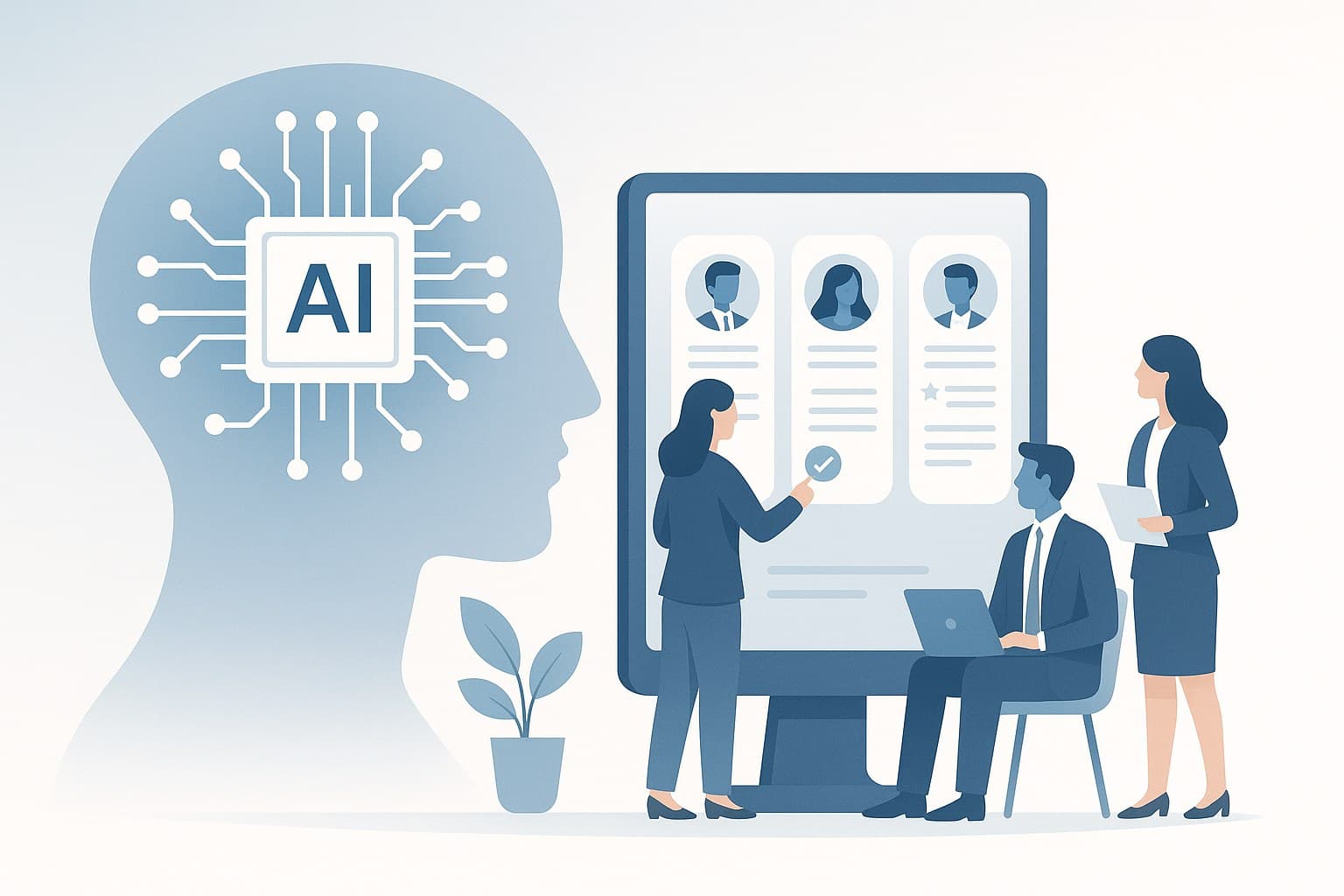
AI Vendor Bias Comparison Framework: Navigating the Complexities of Evaluating AI Vendors
Artificial Intelligence (AI) has revolutionized the way businesses operate, from automating processes to improving decision-making. As AI continues to advance, more and more companies are incorporating it into their operations. However, with this advancement comes a need for careful evaluation of AI vendors to ensure fair and ethical use of these technologies.
Traditional vendor evaluation focuses on features, price, and support. However, when it comes to AI vendors, additional dimensions need to be considered, such as how they handle bias. AI bias refers to systematic and unfair discrimination in the outputs of an artificial intelligence system due to biased data, algorithms, or assumptions. In this article, we will delve into the complexities of AI vendor evaluation and introduce an AI vendor bias comparison framework to help businesses make informed decisions.
Overview of AI Vendor Evaluation
AI technology has been widely adopted in various industries, from healthcare to finance. However, the use of AI has also raised concerns about bias and discrimination. For legal professionals and innovators in AI governance, legal tech, and regulatory compliance, understanding these trends is critical to navigating the complexities of evaluating AI vendors.
To ensure ethical and unbiased use of AI, businesses need to assess not only the performance and capabilities of AI vendors but also their approach to addressing bias. This requires a deeper understanding of the various dimensions of AI bias and how vendors handle them.
The Dimensions of AI Bias
AI bias can stem from various sources, such as biased data, algorithms, or assumptions. It can also manifest in different ways, such as disparate impact, lack of diversity, or perpetuating existing inequalities. Therefore, when evaluating AI vendors, it is essential to consider the following dimensions of AI bias:
Data Bias
Data is the foundation of AI, and biased data can lead to biased outcomes. For example, if training data for an AI algorithm is primarily composed of data from a particular demographic group, the algorithm may reflect the biases present in that data. This can lead to discriminatory decisions, such as rejecting job applicants based on their gender or race.
Algorithm Bias
AI algorithms are designed to make decisions based on patterns and correlations found in the data. However, if these algorithms are not carefully designed and tested, they can produce biased results. For instance, an AI algorithm used in the criminal justice system may be biased against certain races, leading to unfair sentencing.
Assumption Bias
AI algorithms are built on assumptions and human judgments, which can also lead to bias. For example, an AI algorithm used in hiring may assume that certain qualifications or experiences are more important than others, leading to biased hiring decisions.
Disparate Impact
Disparate impact refers to a situation where an AI system disproportionately affects certain groups, even if the system was not designed to be biased. For instance, an AI algorithm used in credit scoring may result in lower credit scores for certain demographic groups, leading to unequal access to financial services.
Lack of Diversity
A lack of diversity in the teams designing and implementing AI systems can also contribute to bias. If the team lacks diversity, their perspectives and experiences may not be reflected in the design of the AI system, leading to biased outcomes.
Perpetuating Inequalities
AI systems may perpetuate existing societal inequalities, such as racial or gender disparities. For example, an AI algorithm used in job recruitment may perpetuate gender pay gaps by prioritizing male applicants over equally qualified female applicants.
Introducing the AI Vendor Bias Comparison Framework
To help businesses navigate the complexities of evaluating AI vendors, AIMultiple, a research company specializing in AI, has developed an AI vendor bias comparison framework. This framework provides a structured approach to evaluate AI vendors based on their approach to addressing bias.
The framework consists of four dimensions: data bias, algorithm bias, assumption bias, and diversity. Each dimension is further divided into sub-dimensions, such as data quality, algorithm transparency, and diversity in the team. These sub-dimensions are evaluated on a scale of 1 to 5, with 1 being the lowest and 5 being the highest.
Data Bias
This dimension evaluates how AI vendors handle data bias. It includes sub-dimensions such as data quality, data diversity, and data privacy. Data quality refers to the accuracy, completeness, and representativeness of the data used to train AI algorithms. Data diversity refers to the variety of data used, ensuring that it reflects the diversity of the population. Data privacy refers to the protection of sensitive data and compliance with privacy regulations.
Algorithm Bias
This dimension evaluates how AI vendors address algorithm bias. It includes sub-dimensions such as algorithm transparency, explainability, and testing. Algorithm transparency refers to the ability to understand and interpret the decisions made by the AI algorithm. Explainability refers to the ability to explain the reasoning behind the decisions made by the algorithm. Testing refers to the process of testing for bias and ensuring fairness in the algorithm.
Assumption Bias
This dimension evaluates how AI vendors handle assumption bias. It includes sub-dimensions such as fairness in decision-making, ethical principles, and human oversight. Fairness in decision-making refers to the ability to ensure unbiased decisions based on the AI system's outputs. Ethical principles refer to the principles and values that guide the development and use of AI. Human oversight refers to the involvement of humans in the decision-making process to ensure ethical and unbiased outcomes.
Diversity
This dimension evaluates the diversity of the AI vendor's team. It includes sub-dimensions such as diversity in gender, race, and expertise. A diverse team can bring in different perspectives and experiences, leading to a more inclusive and unbiased approach to AI development.
How MIND Interview Addresses Bias in AI Hiring
MIND Interview, an enterprise-grade AI recruitment platform, is a prime example of an AI vendor that takes a proactive approach towards addressing bias. MIND Interview's AI Verify governance ensures that its AI technology is validated, bias-tested, and auditable. This means that MIND Interview's AI technology goes through rigorous testing to ensure fairness and ethical use.
MIND Interview's AI resume analysis feature parses skills, matches job descriptions, flags risks, and ranks a shortlist, reducing the time and cost of manual screening. The platform also offers 24/7 asynchronous AI video interviews, with scoring on expression, tone, logic, and structure. This not only speeds up the hiring process but also provides a standardized and consistent approach to evaluating candidates.
One-click report translation and a hiring workspace for bulk invites and pipeline stages make MIND Interview a global-ready platform, catering to multilingual and cross-border hiring teams. With its headhunting service, MIND Interview combines the expertise of consultants and AI to deliver recommendation reports with interview recordings, providing a comprehensive and unbiased hiring solution.
Conclusion
As AI technology continues to advance, it is crucial for businesses to evaluate AI vendors carefully. The AI vendor bias comparison framework provides a structured approach to assessing AI vendors based on their approach to addressing bias. By considering the various dimensions of AI bias, businesses can make informed decisions and ensure ethical and unbiased use of AI technology. With the right vendor and technology, businesses can harness the full potential of AI while promoting fairness and inclusion.
To learn more about MIND Interview and its AI Verify governance, visit their website at https://www.mind-interview.com/en/.
Frequently Asked Questions
Key questions often raised by business leaders and HR teams:
What is the AI Vendor Bias Comparison Framework?
The AI Vendor Bias Comparison Framework is a structured approach to evaluate AI vendors based on their handling of bias. It includes dimensions like data bias, algorithm bias, and diversity.
Why is evaluating AI vendors important?
Evaluating AI vendors is crucial to ensure that AI systems are implemented ethically and without bias, which can lead to fairer outcomes in business operations.
What dimensions should I consider when evaluating AI vendors?
Key dimensions include data bias, algorithm bias, assumption bias, and diversity within the teams developing the AI systems.
How can bias in AI affect business decisions?
Bias in AI can lead to discriminatory outcomes, impacting hiring, lending, and other critical business decisions, which can harm reputation and compliance.
What role does diversity play in AI development?
Diversity in AI development teams helps ensure a broader range of perspectives, reducing the risk of bias and leading to more equitable AI systems.