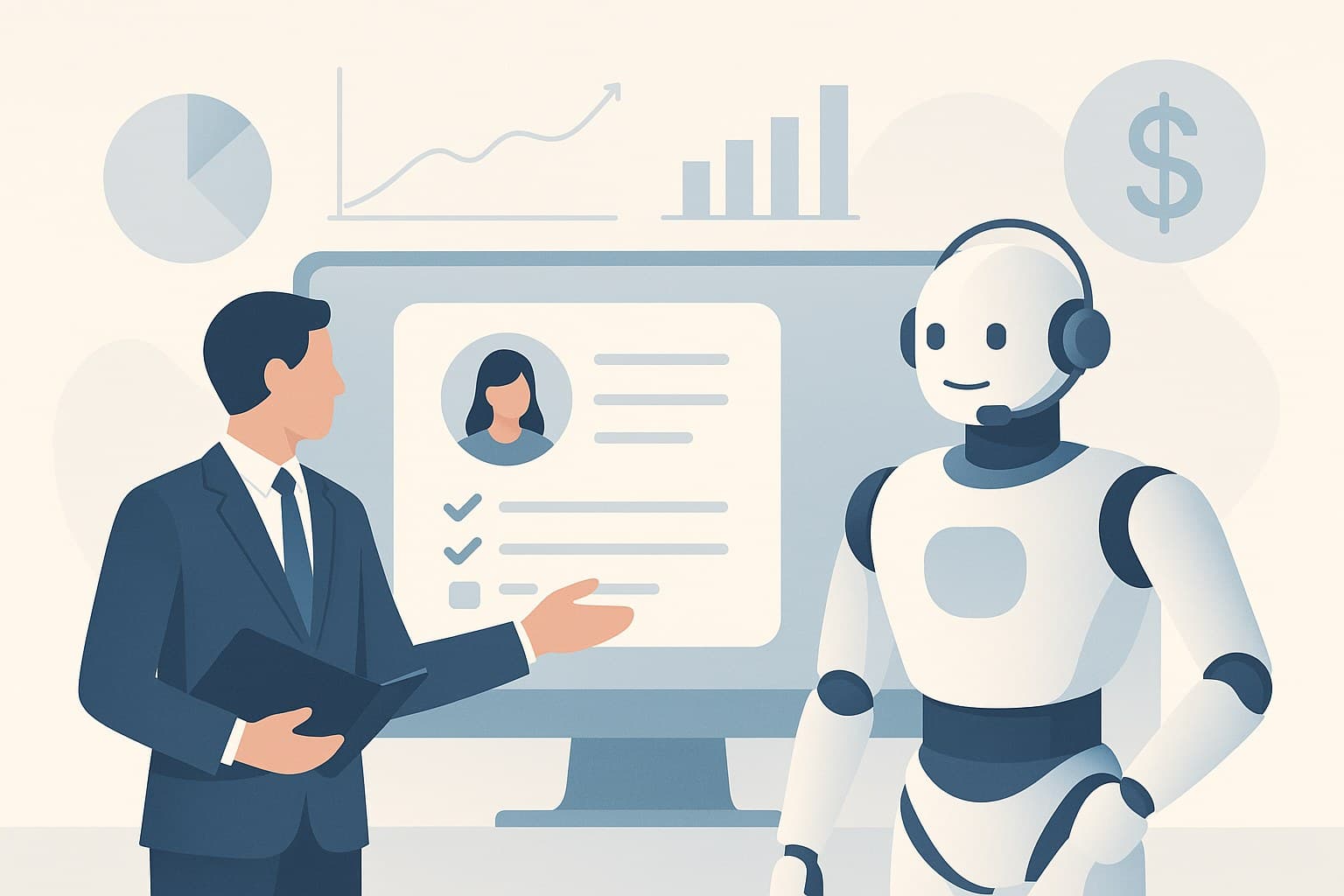
Leveraging AI Verify for Risk Reduction: A Strategic Guide for Business Decision-Makers and HR Leaders
In today’s rapidly evolving business landscape, the integration of artificial intelligence (AI) has become not just a strategic advantage but a necessity. However, with the adoption of AI technologies comes an array of risks that need to be meticulously managed to safeguard organizational integrity, data privacy, and operational efficiency. AI Verify emerges as a pivotal tool in this context, offering a robust framework for risk reduction. This article delves into how AI Verify can be a game-changer for business decision-makers and HR leaders aiming to streamline operations while mitigating potential risks.
Understanding AI Verify
AI Verify is a comprehensive tool designed to assess and validate AI systems ensuring they function as intended and adhere to ethical guidelines. It focuses on various aspects such as transparency, accountability, and fairness, which are crucial in fostering trust and reliability in AI applications. For business decision-makers, AI Verify provides a systematic approach to evaluating AI systems, ensuring they align with organizational goals and regulatory requirements.
The Importance of Risk Reduction in AI Deployment
The deployment of AI technologies is fraught with potential risks, including data breaches, biased decision-making, and compliance challenges. These risks can have far-reaching implications, from legal repercussions to reputational damage. Moreover, in sectors such as finance, healthcare, and human resources, the margin for error is exceptionally thin, and the cost of AI-related failures can be substantial.
For HR leaders, the stakes are particularly high. AI applications in HR, such as recruitment algorithms and employee monitoring systems, must be meticulously vetted to prevent discrimination and ensure fairness. AI Verify aids in identifying and mitigating these risks by providing insights into the AI system's decision-making processes and detecting potential biases.
How AI Verify Facilitates Risk Reduction
- Ensuring Compliance and Ethical Standards
AI Verify helps organizations adhere to regulatory and ethical standards by providing a clear framework for evaluating AI systems. It ensures that AI applications comply with laws such as the General Data Protection Regulation (GDPR) and other industry-specific regulations. This compliance is crucial for avoiding legal penalties and maintaining customer trust.
- Enhancing Transparency and Accountability
One of the primary concerns with AI systems is their often opaque nature, which can lead to accountability issues when things go wrong. AI Verify promotes transparency by offering detailed assessments of how AI systems make decisions. This transparency is vital for decision-makers who need to understand AI's impact on business processes and outcomes.
- Identifying and Mitigating Bias
AI systems are only as good as the data they are trained on. If the training data is biased, the AI system's outputs will likely reflect those biases. AI Verify provides tools to identify and address biases within AI systems, ensuring fair and equitable treatment of all individuals, which is particularly important in HR applications.
- Enhancing Security and Data Privacy
Data privacy is a significant concern in the digital age, and AI systems often rely on vast amounts of data to function effectively. AI Verify ensures that AI systems are designed with security in mind, reducing the risk of data breaches and unauthorized access. This focus on security is vital for maintaining customer confidence and protecting sensitive information.
Strategic Implementation of AI Verify
For business decision-makers and HR leaders, the strategic implementation of AI Verify involves several key steps:
- Conducting a Comprehensive Risk Assessment
Before deploying AI, conduct a thorough risk assessment to identify potential vulnerabilities and compliance issues. AI Verify can be instrumental in this process, providing insights into areas that require attention.
- Integrating AI Verify into the AI Lifecycle
Incorporate AI Verify into every stage of the AI lifecycle, from development to deployment and ongoing monitoring. This integration ensures continuous oversight and rapid identification of emerging risks.
- Training and Development
Equip your team with the necessary skills to effectively use AI Verify. This training should cover not only the technical aspects of the tool but also its strategic importance in risk management.
- Continuous Monitoring and Feedback Loops
AI systems are dynamic, and continuous monitoring is essential to ensure they remain compliant and effective. Establish feedback loops that allow for ongoing evaluation and refinement of AI systems using AI Verify.
Conclusion
AI Verify is an indispensable tool for business decision-makers and HR leaders looking to harness the power of AI while managing its inherent risks. By ensuring compliance, enhancing transparency, mitigating bias, and safeguarding data privacy, AI Verify provides a comprehensive solution to the challenges posed by AI deployment. As AI continues to transform industries, leveraging AI Verify for risk reduction will be key to maintaining competitive advantage and organizational integrity in the digital age.
Decision-makers and HR leaders who proactively adopt AI Verify will not only protect their organizations from potential pitfalls but also position themselves as leaders in ethical and responsible AI deployment.
Frequently Asked Questions
Key questions often raised by business leaders and HR teams:
What is AI Verify?
AI Verify is a tool designed to assess and validate AI systems, ensuring they function ethically and transparently.
How does AI Verify help in risk reduction?
AI Verify helps organizations comply with regulations, enhances transparency, identifies biases, and safeguards data privacy.
Who should use AI Verify?
Business decision-makers and HR leaders should use AI Verify to manage AI-related risks and ensure ethical deployment.
What are the key benefits of using AI Verify?
The key benefits include compliance with laws, improved accountability, bias mitigation, and enhanced data security.