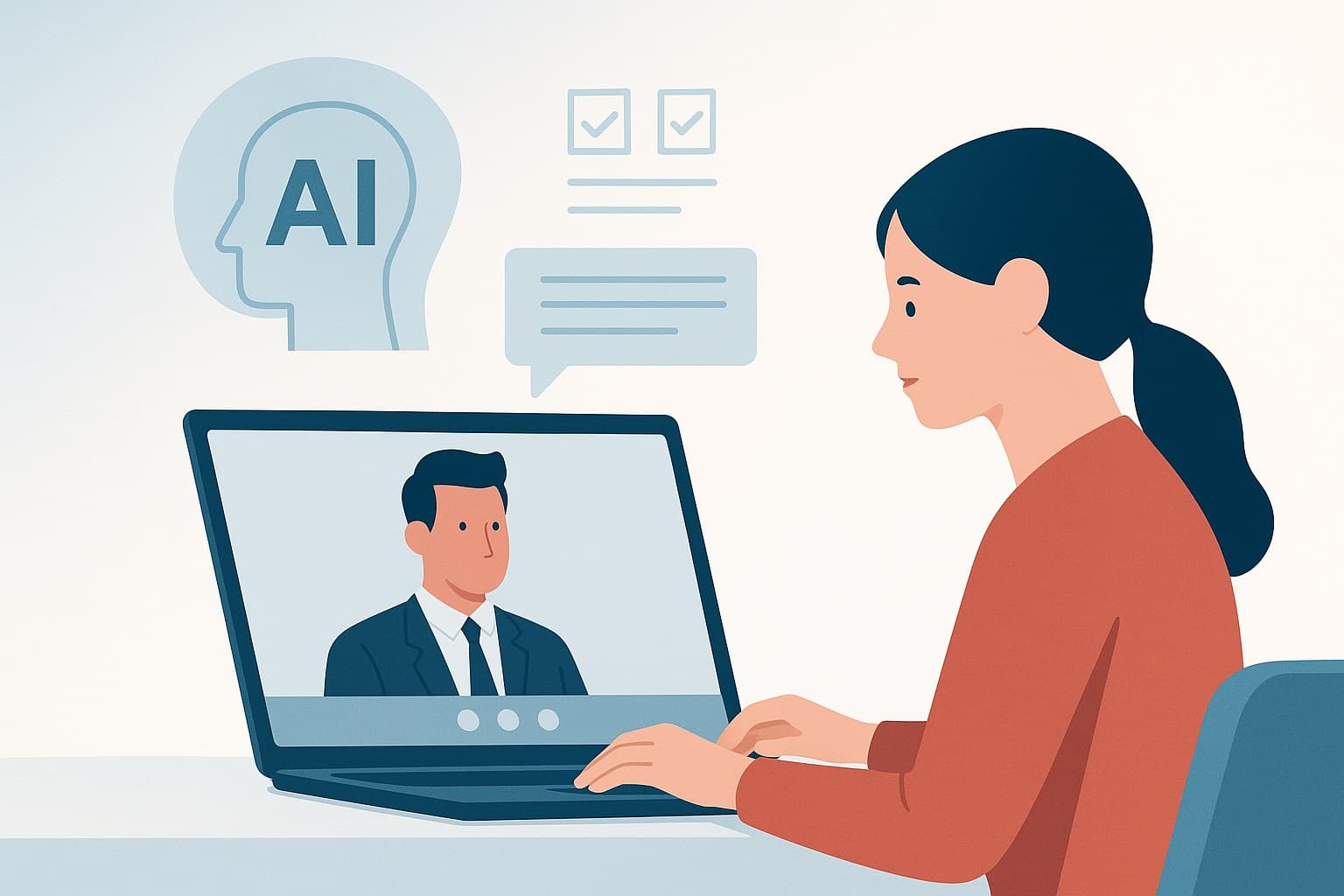
AI Video Interview Case Study: How Artificial Intelligence is Revolutionizing the Hiring Process
The rise of artificial intelligence (AI) has significantly impacted various industries, and the recruitment process is no exception. With the introduction of AI video interviews, companies are now able to streamline their hiring process, making it more efficient and effective. This case study will delve into the design and methodology of AI video interviews, as well as the key insights and benefits of implementing this technology in the recruitment process.
The Design and Methodology of AI Video Interviews
This case study uses a phenomenological approach, which focuses on understanding people's experiences and perceptions of a particular phenomenon. The participants in this study were individuals who had recent experience with AI video interviews. These interviews were conducted through an online platform, where the participants were given a set of questions and were asked to record their responses. The platform then used AI algorithms to analyze the responses and provide insights to the interviewer.
According to a study by interviewer.ai, AI video interviews are designed to assess a candidate's skills, personality, and cultural fit in a quick and efficient manner. The platform uses natural language processing (NLP) and facial recognition technology to analyze the candidate's responses and non-verbal cues, providing a more holistic evaluation compared to traditional interviews.
Key Insights from the AI Video Interview Case Study
The key insights from this case study reveal the effectiveness and benefits of using AI video interviews in the hiring process. Here are some of the notable findings:
1. Improved Efficiency and Time-Saving
One of the primary benefits of AI video interviews is the time-saving aspect. According to the case study, AI video interviews can reduce the hiring process by up to 80%. This is due to the elimination of scheduling conflicts and the ability to review candidate responses at a convenient time. Additionally, the AI algorithms can quickly analyze and rank the candidates based on their responses, reducing the time spent on manual evaluations.
2. Enhanced Candidate Experience
Candidate experience is crucial in the recruitment process, and AI video interviews can significantly improve it. The case study found that candidates appreciate the convenience and flexibility of AI video interviews, as they can complete them from the comfort of their own home. This also eliminates the need for travel, reducing costs for both the candidate and the company.
3. Elimination of Unconscious Bias
Unconscious bias is a significant issue in traditional hiring processes, where candidates are often judged based on their appearance, gender, or ethnicity. However, AI video interviews use a standardized set of questions and algorithms to evaluate the candidates, eliminating any potential bias in the selection process. This leads to a more diverse and inclusive workforce.
4. Better Predictive Accuracy
AI video interviews use NLP and facial recognition technology to analyze a candidate's responses and non-verbal cues. This provides a more accurate and objective assessment of the candidate's skills and personality, leading to better hiring decisions. According to a study by researchgate, AI video interviews have a 91% predictive accuracy compared to traditional interviews, which only have a 63% predictive accuracy.
The Future of AI Video Interviews
The use of AI video interviews in the recruitment process is still relatively new, but it is gaining momentum. According to a report by MarketsandMarkets, the AI in recruitment market is expected to reach USD 1,421 million by 2025, growing at a CAGR of 6.7% from 2020 to 2025. This shows the growing demand for AI technology in the hiring process.
As AI technology continues to advance, we can expect to see further improvements and advancements in AI video interviews. This could include the use of virtual reality to create a more immersive interview experience or the integration of AI chatbots to conduct initial screenings and assessments.
Conclusion: Embracing the Benefits of AI Video Interviews
In conclusion, this case study has shown the significant impact of AI video interviews in the recruitment process. With its ability to save time, improve candidate experience, eliminate bias, and increase predictive accuracy, AI video interviews are revolutionizing the hiring process. As the technology continues to advance, we can expect to see more companies embracing AI video interviews as a standard practice for their recruitment process.
Therefore, to stay ahead in the competitive job market, it is crucial for companies to embrace AI technology and incorporate AI video interviews into their hiring process. This will not only lead to a more efficient and effective recruitment process but also help in attracting top talent and building a diverse and inclusive workforce.
Frequently Asked Questions
Key questions often raised by business leaders and HR teams:
What are AI video interviews?
AI video interviews are a modern recruitment tool that uses artificial intelligence to assess candidates through recorded video responses.
How do AI video interviews improve the hiring process?
They enhance efficiency, reduce bias, and provide better predictive accuracy in evaluating candidates.
What technologies are used in AI video interviews?
Technologies such as natural language processing (NLP) and facial recognition are utilized to analyze candidates' responses and non-verbal cues.
Can AI video interviews eliminate bias?
Yes, by using standardized questions and algorithms, AI video interviews help minimize unconscious bias in the selection process.
What is the future of AI video interviews?
The future includes advancements like virtual reality interviews and AI chatbots for initial screenings, further enhancing the recruitment experience.