The Rise of AI Video Interview Rubric: A Comprehensive Guide
Artificial Intelligence (AI) has taken the recruitment industry by storm, revolutionizing the way companies hire and manage their workforce. One of the latest advancements in this field is AI video interview rubric, a structured screening process that uses AI technology to evaluate candidates based on their video responses. This innovative tool has gained popularity in recent years, with many companies incorporating it into their hiring process. In this comprehensive guide, we will delve deeper into the world of AI video interview rubric, its benefits, and its impact on the recruitment landscape.
What is an AI Video Interview?
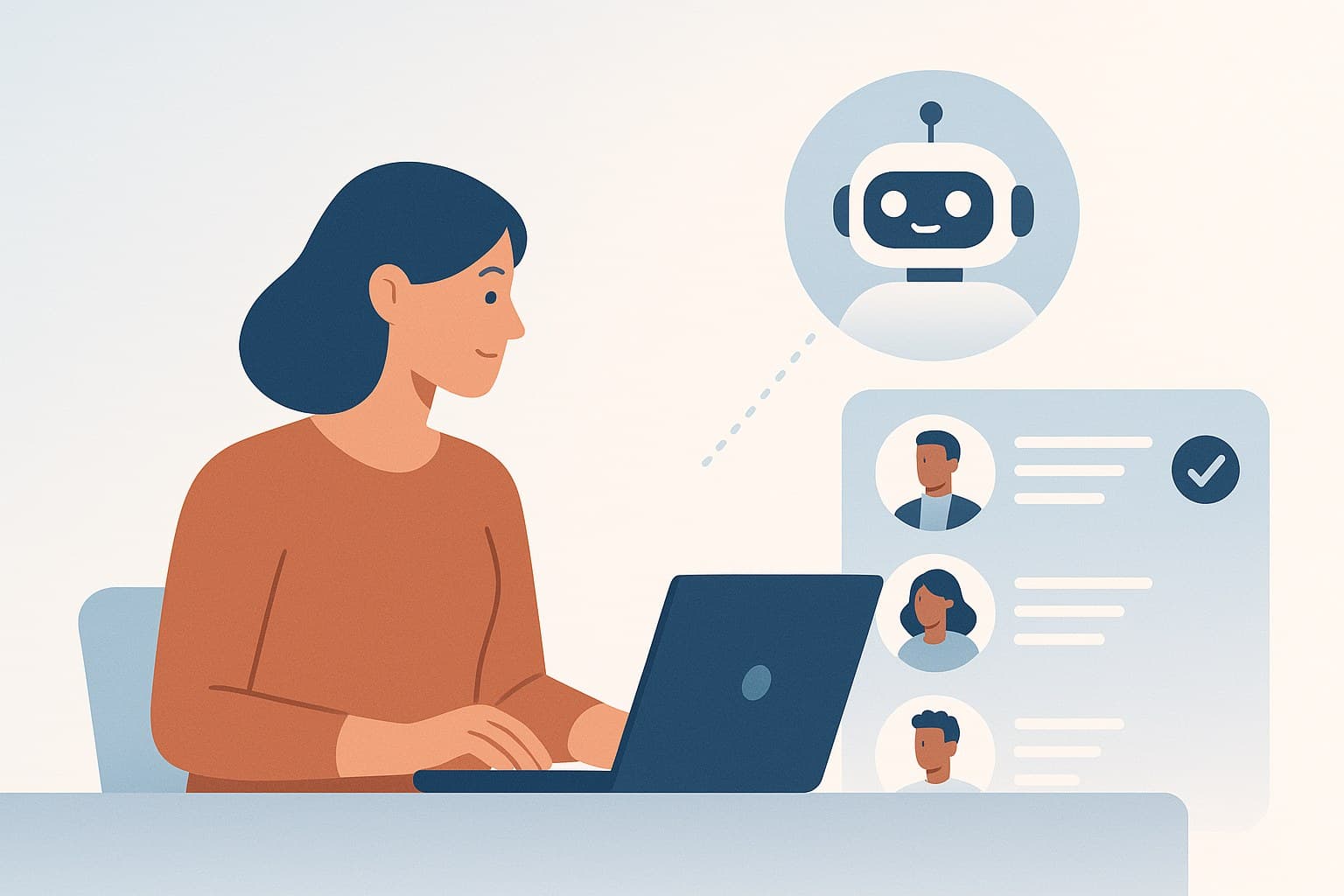
An AI video interview is a screening process where candidates are asked to respond to a set of predetermined questions on video. These questions can be pre-recorded or asked in real-time through a video conferencing platform. The recorded responses are then analyzed by AI algorithms that assess the candidate's skills, personality, and qualifications. The results are then used to create a score or ranking for each candidate, which helps recruiters make a more informed hiring decision.
The Benefits of AI Video Interviews
-
Time and Cost Efficiency One of the most significant advantages of AI video interviews is the time and cost efficiency it provides. Traditional interviews involve a lot of time and resources, from scheduling and conducting the interview to reviewing and shortlisting candidates. With AI video interviews, all these processes are streamlined, saving both time and money for the company.
-
Fair and Unbiased Evaluation AI video interviews eliminate any potential bias that may arise during traditional interviews. Candidates are evaluated based on their responses, skills, and qualifications, rather than their gender, race, or appearance. This helps promote diversity and inclusivity in the hiring process, leading to a more diverse and talented workforce.
-
Improved Candidate Experience Candidates often have to take time off work or travel for in-person interviews, leading to inconvenience and added expenses. With AI video interviews, candidates can complete the interview at their convenience, without having to leave their homes. This improves the overall candidate experience and creates a positive impression of the company.
-
Comprehensive Assessment AI video interviews provide a more comprehensive assessment of candidates, beyond what can be evaluated in a traditional interview. The AI algorithms analyze various aspects such as facial expressions, tone of voice, and vocabulary to create a detailed report on each candidate. This helps recruiters get a more accurate understanding of the candidate's skills and personality.
Challenges and Controversies
As with any new technology, AI video interviews also come with their own set of challenges and controversies. One of the main concerns is the potential for bias in the AI algorithms. These algorithms are only as unbiased as the data they are trained on, and if the data is biased, it can lead to discriminatory hiring decisions. This has led to the introduction of laws and regulations, such as the New York City Human Rights Law and the Illinois Artificial Intelligence Video Interview Act, to ensure fair and ethical use of AI in hiring.
Another challenge is the lack of human interaction in the screening process. Traditional interviews allow for a more personal connection between the candidate and the interviewer, which can help in assessing soft skills and cultural fit. With AI video interviews, this human element is missing, and it may not give a complete picture of the candidate.
The Future of AI Video Interviews
Furthermore, AI video interviews can also be used beyond just the hiring process. They can be utilized for employee evaluations, training, and development, providing a comprehensive assessment of an employee's performance.
How to Prepare for an AI Video Interview
If you are a candidate preparing for an AI video interview, here are a few tips to help you ace the process:
-
Familiarize yourself with the technology: Make sure you are comfortable using the video conferencing platform and understand how to record and submit your responses.
-
Practice your responses: Prepare for the interview by practicing your responses to common interview questions. This will help you feel more confident and comfortable during the actual interview.
-
Pay attention to your body language: Since AI algorithms analyze facial expressions and body language, make sure to maintain good posture and make eye contact with the camera.
-
Dress professionally: Treat the AI video interview just like an in-person interview and dress professionally to make a good first impression.
In Conclusion
AI video interview rubric is a game-changer in the recruitment industry, offering a more efficient, unbiased, and comprehensive assessment of candidates. While there are still challenges and controversies surrounding its use, the future looks bright for this innovative technology. As a candidate, it is essential to prepare yourself for this new form of interview and embrace the benefits it offers. And as a recruiter, incorporating AI video interviews into your hiring process will not only save time and costs but also help you make more informed and fair hiring decisions.
To learn more about AI video interview rubric and how it can benefit your company, check out [product name here]. Get ahead of the competition and embrace the power of AI in your recruitment process.
Frequently Asked Questions
Key questions often raised by business leaders and HR teams:
What is an AI video interview?
An AI video interview is a screening process where candidates respond to questions on video, analyzed by AI algorithms to evaluate their skills and qualifications.
What are the benefits of using AI video interviews?
AI video interviews save time and costs, promote unbiased evaluations, and improve the candidate experience by allowing flexibility in interview scheduling.
How can candidates prepare for an AI video interview?
Candidates should familiarize themselves with the technology, practice their responses, pay attention to body language, and dress professionally.
What challenges do AI video interviews face?
Challenges include potential bias in AI algorithms and the lack of human interaction, which can affect the assessment of soft skills.
What is the future of AI video interviews?
The use of AI in recruitment is expected to grow, with advancements in technology improving accuracy and reliability in candidate assessments.