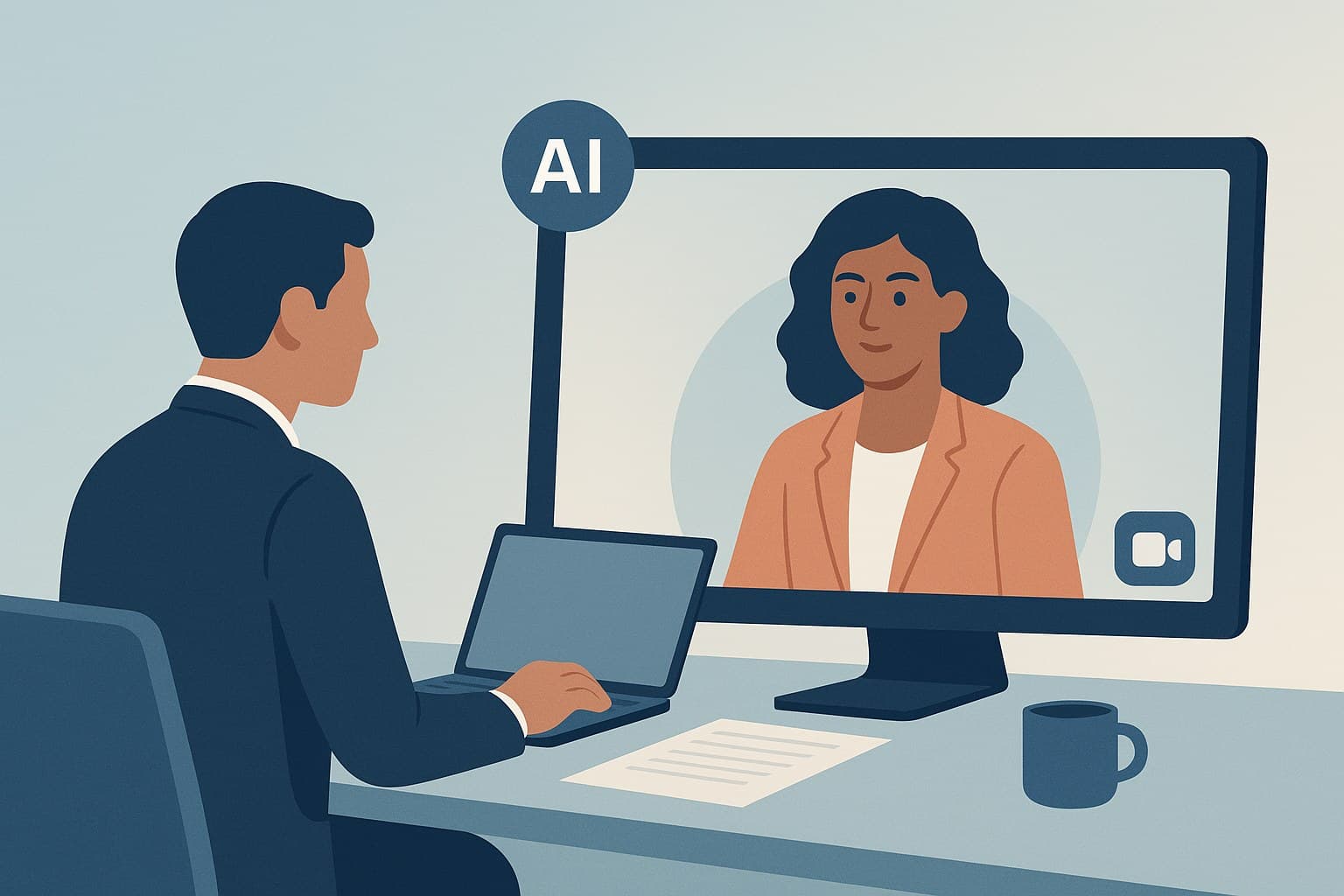
AI Video Interviews: Revolutionizing the Hiring Process
In today's fast-paced world, technology has become an integral part of our daily lives, and the recruitment process is no exception. With the rise of artificial intelligence (AI), traditional in-person interviews are being replaced by AI video interviews. This cutting-edge technology is gaining popularity among employers as it streamlines the hiring process and provides a more efficient and objective way of evaluating candidates. In this article, we will delve into the world of AI video interviews, how they work, and their benefits for both employers and candidates.
What are AI Video Interviews?
AI video interviews are a form of virtual interviews where candidates are asked a series of pre-recorded questions and are required to record their responses through a video platform. The AI technology then analyzes the candidate's facial expressions, tone, and other non-verbal cues to evaluate their communication skills, personality traits, and job fit. This innovative approach to interviewing eliminates the need for scheduling and conducting multiple rounds of in-person interviews, saving both time and resources.
According to a study by the Aberdeen Group, 86% of top-performing companies are already using AI in their recruitment process. This trend is expected to continue as AI technology continues to evolve and improve.
How do AI Video Interviews Work?
AI video interviews are powered by natural language processing (NLP) and machine learning algorithms. The AI engages in a two-way conversation with the candidate, listening, responding intelligently, and asking relevant follow-up questions. This creates a more natural and engaging experience for the candidate, putting them at ease and allowing them to showcase their skills and qualifications in a more relaxed setting.
The AI technology is also equipped with a database of interview questions tailored to the specific job role, ensuring that all candidates are asked the same set of questions, eliminating any bias or discrimination. The recorded responses are then analyzed, and the AI generates a scorecard for each candidate, highlighting their strengths and weaknesses.
Benefits of AI Video Interviews for Employers
-
Time and Cost-Effective: AI video interviews save employers valuable time and resources by eliminating the need for multiple rounds of in-person interviews. This is especially beneficial for companies with a large volume of applicants.
-
Objective Evaluation: AI video interviews provide a fair and objective evaluation of candidates based on their skills and qualifications, rather than their appearance, race, or gender. This helps to eliminate any unconscious bias and promotes diversity and inclusion in the workplace.
-
Improved Quality of Hire: With the use of AI technology, employers can identify the most qualified candidates for the job, resulting in a higher quality of hire and reducing the risk of a bad hire.
-
Better Candidate Experience: Traditional interviews can be nerve-wracking for candidates, leading to a less than ideal performance. With AI video interviews, candidates can complete the interview at their convenience, in a more relaxed setting, resulting in a better candidate experience.
Benefits of AI Video Interviews for Candidates
-
Convenience: Candidates can complete the interview at their convenience, without the need to take time off work or travel to the company's location. This is especially helpful for candidates who are not local or have a busy schedule.
-
Fair Evaluation: As AI technology eliminates any bias, candidates can be assured that they are being evaluated fairly based on their skills and qualifications.
-
More Natural Setting: AI video interviews provide a more natural setting for candidates to showcase their skills and qualifications, resulting in a more relaxed and authentic interview experience.
The Future of AI Video Interviews
AI video interviews are still relatively new, but their potential for revolutionizing the hiring process is immense. As technology continues to evolve, AI will become more sophisticated and efficient, making the recruitment process even more streamlined and objective.
According to a report by Gartner, by 2022, 80% of organizations will be using AI for recruitment and talent management. This indicates the growing importance of AI technology in the recruitment process and how it will shape the future of hiring.
Conclusion
AI video interviews are changing the game for both employers and candidates. With their ability to save time and resources, eliminate bias, and provide a more natural and engaging interview experience, they are quickly becoming a preferred method of interviewing. As AI technology continues to evolve and improve, it is safe to say that it will become an integral part of the recruitment process for companies of all sizes. So, embrace the change and stay ahead of the competition by incorporating AI video interviews into your hiring process.
Frequently Asked Questions
Key questions often raised by business leaders and HR teams:
What are AI video interviews?
AI video interviews are virtual interviews where candidates respond to pre-recorded questions, and their responses are analyzed by AI technology.
What are the benefits of AI video interviews for employers?
They save time and costs, provide objective evaluations, improve the quality of hire, and enhance the candidate experience.
How do AI video interviews benefit candidates?
Candidates enjoy convenience, fair evaluations, and a more natural setting to showcase their skills.
What technology powers AI video interviews?
They utilize natural language processing (NLP) and machine learning algorithms to create a two-way conversation.
What does the future hold for AI video interviews?
As AI technology evolves, it will become more sophisticated, further streamlining and improving the recruitment process.