Harnessing AI Video Interviews: A Strategic Guide for Business Leaders and HR Executives
In the ever-evolving landscape of talent acquisition, companies are constantly seeking innovative solutions to streamline the hiring process and identify top talent efficiently. One such technological advancement that has gained significant traction is AI video interviewing. This powerful tool combines the accessibility of video conferencing with the analytical insights of artificial intelligence, offering a transformative approach to recruitment. For business leaders and HR executives, understanding and effectively implementing AI video interviews can be a game-changer in the quest for talent optimization.
Understanding AI Video Interviews
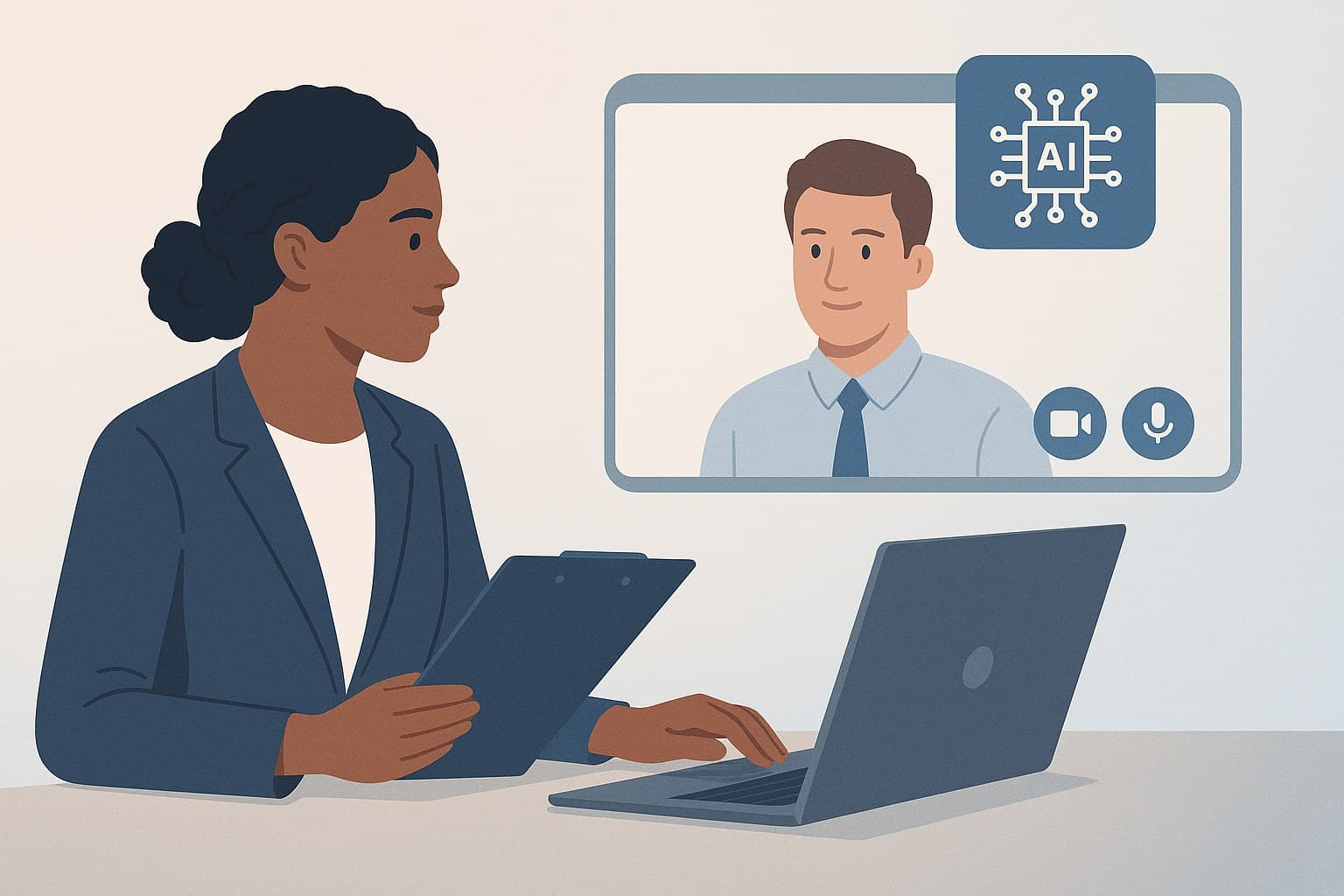
AI video interviews are digital interviews where candidates respond to pre-recorded questions via a video platform. What sets them apart is the integration of AI technologies that analyze candidates' responses, assessing various factors such as language, tone, facial expressions, and even micro-expressions. These analyses provide recruiters with detailed insights into a candidate's communication skills, emotional intelligence, and cultural fit, often beyond what traditional interviews can offer.
Benefits of AI Video Interviews
-
Efficiency and Scalability: One of the primary advantages of AI video interviews is the ability to conduct multiple interviews simultaneously, saving time for both recruiters and candidates. This scalability is particularly beneficial for large organizations that receive high volumes of applications.
-
Unbiased Assessments: AI can help reduce unconscious bias in the hiring process by focusing on objective data rather than subjective impressions. Algorithms can be trained to disregard factors unrelated to job performance, such as gender, ethnicity, or age, promoting diversity and inclusion within the workplace.
-
Enhanced Candidate Experience: Candidates can complete interviews at their convenience without the need for travel or scheduling conflicts. This flexibility often leads to a more positive candidate experience, enhancing the company’s employer brand.
-
Data-Driven Decisions: AI provides quantifiable data that can enhance decision-making processes. By analyzing patterns and trends in candidate responses, recruiters can make informed decisions based on empirical evidence rather than intuition alone.
-
Cost Savings: Reducing the time spent on initial screening and interviews translates into significant cost savings for organizations. Additionally, the automated nature of AI interviews can lead to a more streamlined hiring process.
Implementing AI Video Interviews
For business leaders and HR executives considering the integration of AI video interviews into their recruitment strategy, several key steps should be taken to ensure successful implementation:
-
Define Clear Objectives: Understand what you aim to achieve with AI video interviews. Whether it's reducing time-to-hire, increasing diversity, or improving candidate quality, having clear objectives will guide the implementation process.
-
Choose the Right Platform: Not all AI video interview platforms are created equal. Evaluate different options based on their features, ease of use, integration capabilities, and support services. Platforms like HireVue, Spark Hire, and VidCruiter offer various functionalities tailored to different organizational needs.
-
Ensure Compliance and Fairness: It's essential to ensure that AI tools comply with legal standards and industry regulations. Collaborate with legal and compliance teams to ensure that AI algorithms are transparent and do not inadvertently perpetuate biases.
-
Train Your Team: Implementing AI technology requires change management. Training recruitment teams on how to interpret AI-generated data and insights is crucial for effective utilization. Encourage a mindset shift from traditional interviewing techniques to data-driven assessments.
-
Monitor and Optimize: Continuously monitor the effectiveness of AI video interviews. Gather feedback from candidates and recruiters to identify areas for improvement. Regularly update algorithms to reflect organizational changes and evolving job requirements.
Challenges and Considerations
While AI video interviews offer numerous advantages, they are not without challenges. Concerns about privacy, data security, and the ethical use of AI need to be addressed proactively. Organizations must ensure that candidate data is stored securely and used appropriately. Moreover, transparency in how AI assessments are made can help build trust with candidates.
Additionally, AI is only as good as the data it is trained on. Poor or biased training data can lead to inaccurate assessments. Companies should invest in high-quality data and continuous algorithm refinement to maintain the integrity of the hiring process.
The Future of AI in Recruitment
The integration of AI video interviews is part of a broader trend towards digital transformation in HR. As AI technology continues to evolve, its applications in recruitment will expand, offering even more sophisticated tools for talent identification and management. Voice analysis, behavioral prediction, and real-time feedback are just a few areas where AI is likely to make further inroads.
For business leaders and HR executives, staying ahead of these trends is crucial. Embracing AI video interviews today not only provides a competitive edge in the current job market but also positions organizations for future success in the dynamic world of talent acquisition.
Conclusion
AI video interviews represent a significant advancement in recruitment technology, offering efficiency, objectivity, and enhanced candidate experiences. By understanding the benefits and challenges of AI video interviews, business leaders and HR executives can leverage this tool to transform their hiring processes. With careful implementation and continuous optimization, AI video interviews can become a cornerstone of a modern, data-driven recruitment strategy, driving organizational success and fostering a diverse, talented workforce.
Frequently Asked Questions
Key questions often raised by business leaders and HR teams:
What are AI video interviews?
AI video interviews are digital interviews where candidates respond to pre-recorded questions, with AI analyzing their responses for insights.
How do AI video interviews improve recruitment?
They enhance efficiency, reduce bias, and provide data-driven insights, making the hiring process more effective.
What are the challenges of using AI in recruitment?
Challenges include privacy concerns, data security, and ensuring that AI algorithms do not perpetuate bias.
How can organizations implement AI video interviews successfully?
Organizations should define clear objectives, choose the right platform, ensure compliance, train their teams, and continuously monitor the process.
What is the future of AI in recruitment?
The future includes advancements like voice analysis and behavioral predictions, further enhancing talent identification.