Leveraging AI-Driven Video Interviews to Measure Soft Skills at Scale
In today's fast-paced business environment, the ability to assess and cultivate soft skills within an organization is becoming increasingly crucial. Soft skills, such as communication, teamwork, adaptability, and problem-solving, are often the differentiators that enable employees to thrive in dynamic work settings. As businesses continue to navigate the complexities of a globalized economy, the challenge lies in effectively measuring these intangible skills at scale. This is where AI-driven video interviews emerge as a powerful tool for HR leaders and corporate decision-makers.
The Importance of Soft Skills in the Workplace
Soft skills complement hard skills, which are the technical abilities and knowledge required for a job. While hard skills can be taught and quantified easily, soft skills are more intrinsic and subjective, making them harder to evaluate. However, numerous studies have shown that employees with strong soft skills perform better, contribute to a positive work culture, and help organizations achieve their strategic goals.
For HR professionals, the task of assessing soft skills during the recruitment process is daunting but essential. Traditional methods, such as face-to-face interviews and reference checks, are not only time-consuming but also prone to biases. Moreover, these methods do not scale well, especially when organizations are dealing with large volumes of candidates.
AI Video Interviews: A Game Changer for HR
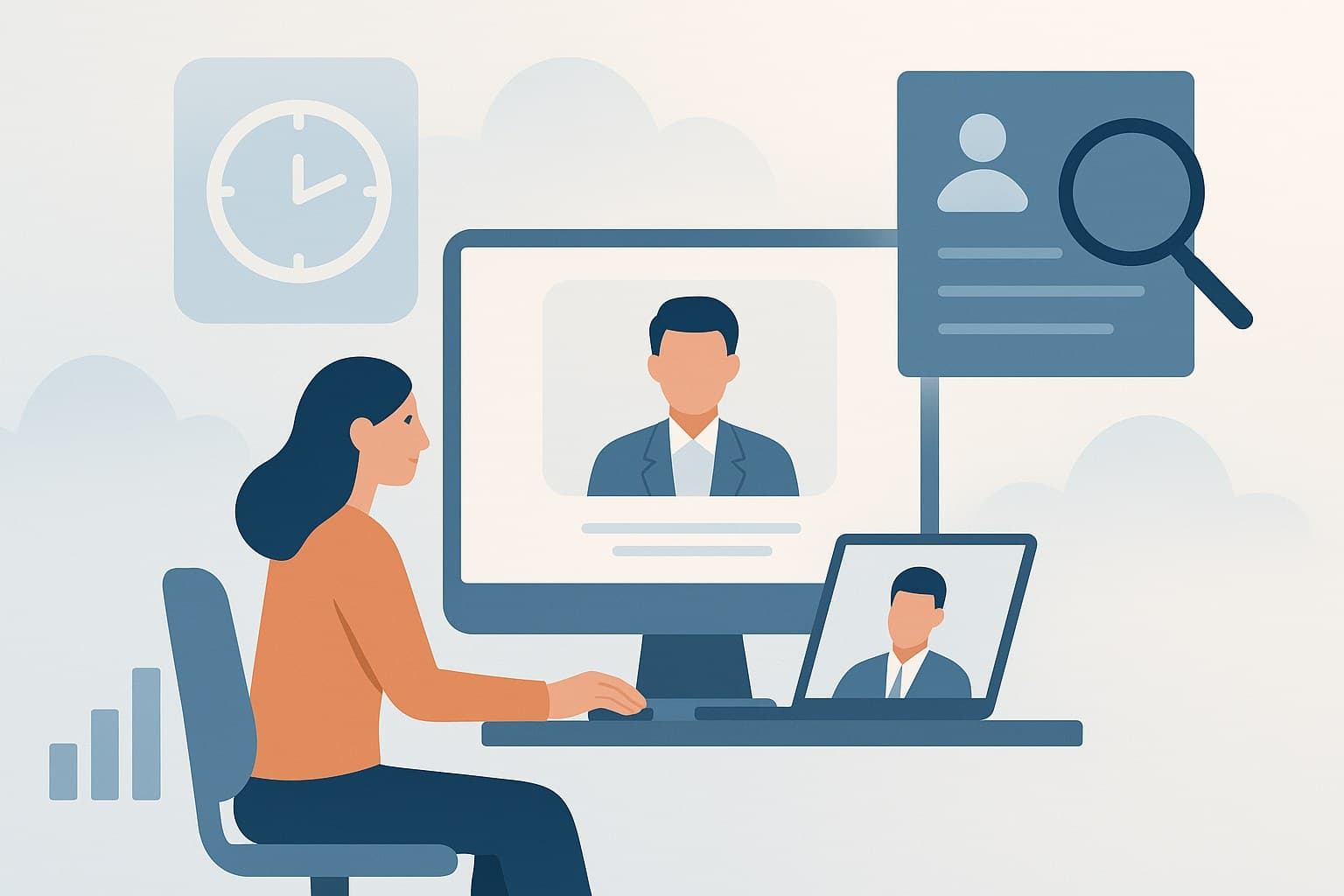
AI-driven video interviews provide a scalable solution to the challenge of measuring soft skills. By leveraging artificial intelligence, these platforms can analyze candidates’ verbal and non-verbal cues, assess their responses, and provide objective insights into their soft skills.
Here are several reasons why AI video interviews are transforming the landscape of talent acquisition:
-
Scalability and Efficiency: AI-powered platforms can handle thousands of candidates simultaneously, significantly reducing the time and resources required for the initial screening process. This scalability ensures that businesses can maintain a high throughput without compromising the depth of evaluation.
-
Consistency and Objectivity: Unlike human interviewers, AI systems are not influenced by unconscious biases. This ensures a level of consistency and objectivity that is difficult to achieve with traditional interviewing techniques. AI evaluates all candidates based on the same criteria, leading to fairer and more equitable hiring decisions.
-
Data-Driven Insights: AI platforms provide detailed analytics on candidates' soft skills, offering insights into areas such as emotional intelligence, leadership potential, and cultural fit. These data-driven insights enable HR professionals to make informed decisions based on quantifiable metrics rather than subjective opinions.
-
Enhanced Candidate Experience: AI video interviews offer candidates the flexibility to complete interviews at their convenience, improving the overall candidate experience. This flexibility can be a significant differentiator in attracting top talent, particularly in competitive job markets.
Implementing AI Video Interviews: Best Practices
For organizations considering the integration of AI video interviews into their recruitment processes, careful implementation is key to maximizing their potential benefits. Here are some best practices for HR leaders:
-
Define Clear Evaluation Criteria: Before deploying AI interviews, it is crucial to establish clear criteria for the soft skills you wish to measure. Align these criteria with your organizational values and the specific requirements of the roles you are hiring for.
-
Ensure Ethical AI Use: Transparency is vital when using AI in hiring. Inform candidates about how the AI system works, what it evaluates, and how their data will be used. This transparency builds trust and ensures compliance with ethical standards and regulations.
-
Continuous Calibration and Improvement: AI systems should be regularly calibrated and updated to reflect changing business needs and to eliminate any potential biases. This involves ongoing monitoring and analysis of system performance and outcomes.
-
Integrate with Human Judgment: While AI can provide valuable insights, it should not replace human judgment entirely. Use AI as a tool to augment human decision-making, combining data-driven insights with the nuanced understanding that experienced HR professionals bring to the table.
-
Provide Feedback and Support: Offering feedback to candidates based on the AI assessment can be a valuable part of their professional development. Additionally, providing training and support for HR staff on how to interpret AI-generated data ensures that the technology is used effectively.
The Future of AI in Soft Skills Assessment
As AI technology continues to evolve, its role in assessing soft skills will likely expand. Future advancements may include more sophisticated natural language processing capabilities, facial expression analysis, and even the ability to assess team dynamics and collaboration skills.
However, the human element will remain indispensable. AI should be seen as a complementary tool that enhances the recruitment process rather than a replacement for human intuition and expertise. By balancing technology with human insight, organizations can build more effective, dynamic teams equipped to meet the challenges of tomorrow.
In conclusion, AI-driven video interviews represent a significant advancement in the ability to measure soft skills at scale. For HR leaders and corporate decision-makers, embracing this technology can lead to more efficient hiring processes, better candidate experiences, and ultimately, stronger organizational performance. As businesses strive to build agile and resilient workforces, AI video interviews offer a strategic advantage in the pursuit of top-tier talent.
Frequently Asked Questions
Key questions often raised by business leaders and HR teams:
What are AI video interviews?
AI video interviews are recruitment tools that use artificial intelligence to analyze candidates' verbal and non-verbal cues during video interviews.
How do AI video interviews improve soft skills assessment?
They provide objective insights by evaluating candidates consistently and without bias, enabling HR professionals to make informed hiring decisions.
What best practices should be followed when implementing AI video interviews?
Organizations should define clear evaluation criteria, ensure ethical AI use, and integrate human judgment with AI insights.
Can AI video interviews enhance the candidate experience?
Yes, they allow candidates to complete interviews at their convenience, improving overall satisfaction during the recruitment process.
What is the future of AI in soft skills assessment?
Future advancements may include enhanced natural language processing and facial expression analysis, further refining the assessment of soft skills.