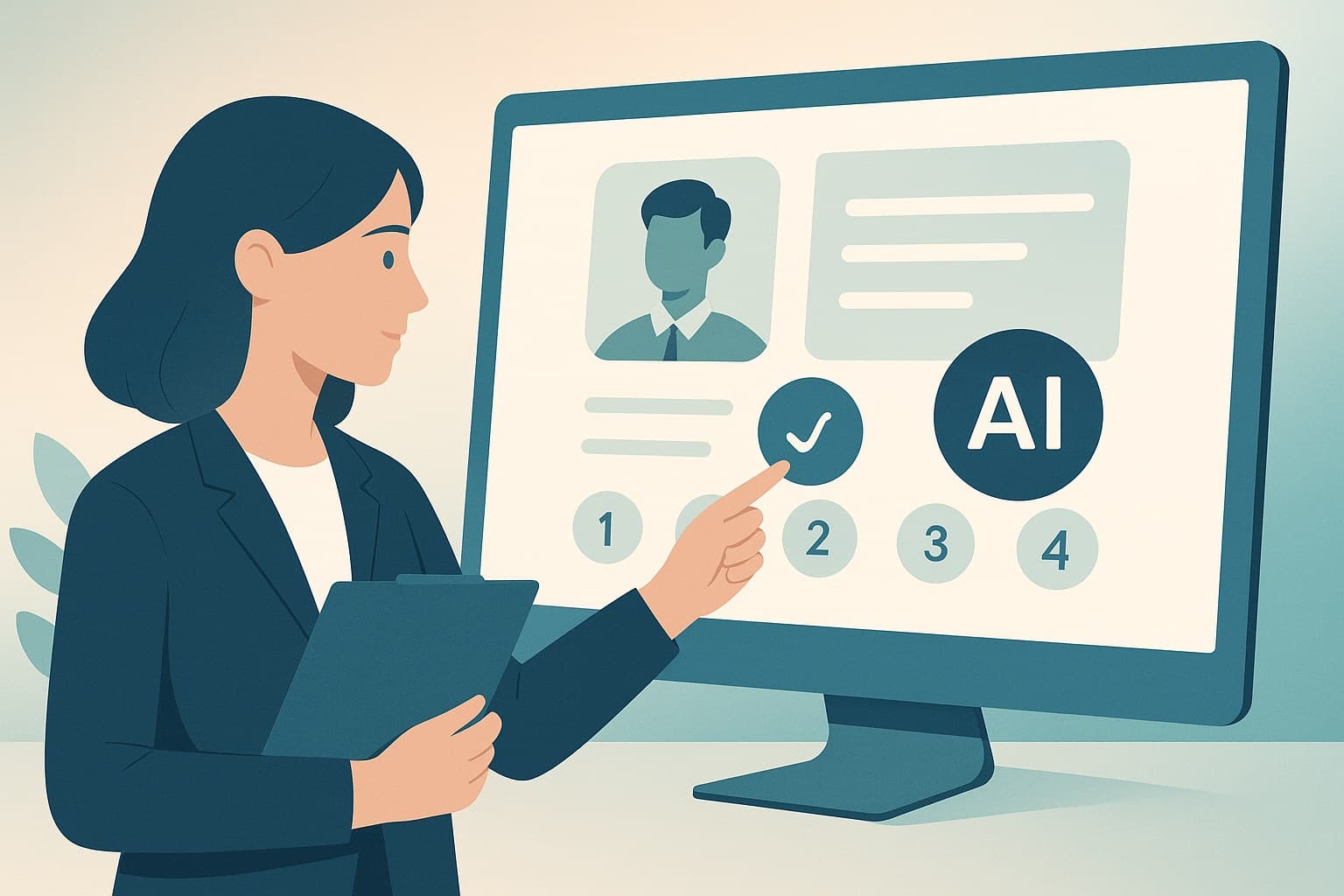
Leveraging AI for Visa Screening: A Game Changer for HR Managers and Business Decision Makers
In today's rapidly globalizing world, businesses are increasingly tapping into the international talent pool to drive innovation and maintain a competitive edge. However, navigating the complex maze of visa regulations and screening processes can be daunting for HR managers and decision-makers. The advent of artificial intelligence (AI) offers a transformative solution to streamline visa screening, ensuring compliance while enhancing efficiency. This article explores how AI can revolutionize the visa screening process, providing valuable insights for HR managers and business decision-makers.
The Complexities of Visa Screening
Visa screening is a critical step in hiring international employees. It involves verifying the authenticity of documents, ensuring compliance with immigration laws, and assessing the eligibility of candidates for specific roles. Traditional visa screening processes are often manual, time-consuming, and prone to human error. This not only delays the hiring process but also increases the risk of non-compliance with immigration laws, which can have severe legal and financial implications for businesses.
HR managers are tasked with the challenging responsibility of balancing the need for efficiency with the necessity of thoroughness in visa screening. The stakes are high, and the margin for error is minimal. This is where AI can play a pivotal role.
AI: A Catalyst for Change
AI technologies, such as machine learning and natural language processing, have the potential to revolutionize visa screening by automating and enhancing various aspects of the process. Here are some key ways AI can be leveraged:
-
Automated Document Verification: AI can swiftly verify the authenticity of documents such as passports, visas, and educational certificates. By using machine learning algorithms, AI systems can recognize patterns and anomalies that might indicate fraudulent documents. This reduces the reliance on manual checks and significantly speeds up the verification process.
-
Compliance Monitoring: AI can continuously monitor changes in immigration laws and regulations, ensuring that businesses remain compliant. It can alert HR managers to any changes that may impact the visa status of current or prospective employees, thus mitigating the risk of non-compliance.
-
Predictive Analytics: AI can analyze historical data to predict potential visa approval outcomes. By assessing factors such as the candidate's profile, the role, and the country of origin, AI can provide insights into the likelihood of a successful visa application. This can help HR managers make informed decisions and manage expectations.
-
Natural Language Processing (NLP): NLP can be used to assess the language proficiency of candidates, ensuring they meet the linguistic requirements of the visa application. This is particularly useful for roles that require specific language skills.
-
Enhanced Candidate Experience: AI can streamline the visa application process, reducing wait times and improving communication. Chatbots, for example, can provide candidates with real-time updates on their application status, answer queries, and offer guidance, thus enhancing their overall experience.
Challenges and Considerations
While the benefits of AI in visa screening are substantial, there are challenges and considerations that HR managers and business decision-makers must address:
-
Data Privacy and Security: Handling sensitive personal information requires robust data protection measures. Businesses must ensure that their AI systems comply with data privacy laws and have strong security protocols in place to protect candidate information.
-
Bias and Fairness: AI systems must be trained on diverse datasets to avoid bias. It's crucial to regularly audit AI algorithms to ensure fairness and prevent discrimination against candidates based on race, gender, or nationality.
-
Integration with Existing Systems: Implementing AI solutions requires seamless integration with existing HR and recruitment systems. This may involve significant investment in terms of time and resources.
-
Regulatory Compliance: Businesses must ensure that their use of AI in visa screening complies with both local and international regulations. This may require collaboration with legal experts to navigate the complex regulatory landscape.
The Future of Visa Screening
The integration of AI into visa screening is not merely a technological upgrade but a strategic advancement that aligns with the broader goals of efficiency, compliance, and enhanced candidate experience. As AI technologies continue to evolve, their capabilities will expand, offering even more sophisticated solutions for HR managers and decision-makers.
In the future, we can expect AI to offer more personalized and adaptive screening processes, further reducing the time and effort required to bring international talent on board. Moreover, as global mobility continues to rise, the demand for efficient and compliant visa screening solutions will only increase, making AI an indispensable tool for businesses.
Conclusion
For HR managers and business decision-makers, leveraging AI for visa screening offers a strategic advantage in today's competitive landscape. By automating and enhancing the visa screening process, AI not only ensures compliance and reduces errors but also accelerates the hiring process, allowing businesses to secure top international talent swiftly.
As businesses continue to embrace globalization, those who invest in AI-driven visa screening solutions will be better positioned to navigate the complexities of international hiring, ultimately gaining a competitive edge in the global market. The future of visa screening is here, and it is intelligent, efficient, and compliant. Embracing this change is not just an option but a necessity for forward-thinking businesses.
Frequently Asked Questions
Key questions often raised by business leaders and HR teams:
How does AI improve the visa screening process?
AI automates document verification, monitors compliance, and uses predictive analytics to enhance decision-making, making the process faster and more accurate.
What challenges do businesses face when implementing AI for visa screening?
Challenges include data privacy concerns, potential bias in AI algorithms, integration with existing systems, and ensuring regulatory compliance.
Can AI help with candidate experience during visa applications?
Yes, AI can streamline communication and provide real-time updates, improving the overall experience for candidates.
What is the future of AI in visa screening?
The future includes more personalized and adaptive screening processes, further enhancing efficiency and compliance in hiring international talent.
Why is AI essential for HR managers in the global market?
AI helps HR managers navigate complex visa regulations, reduces errors, and accelerates the hiring process, giving businesses a competitive edge.