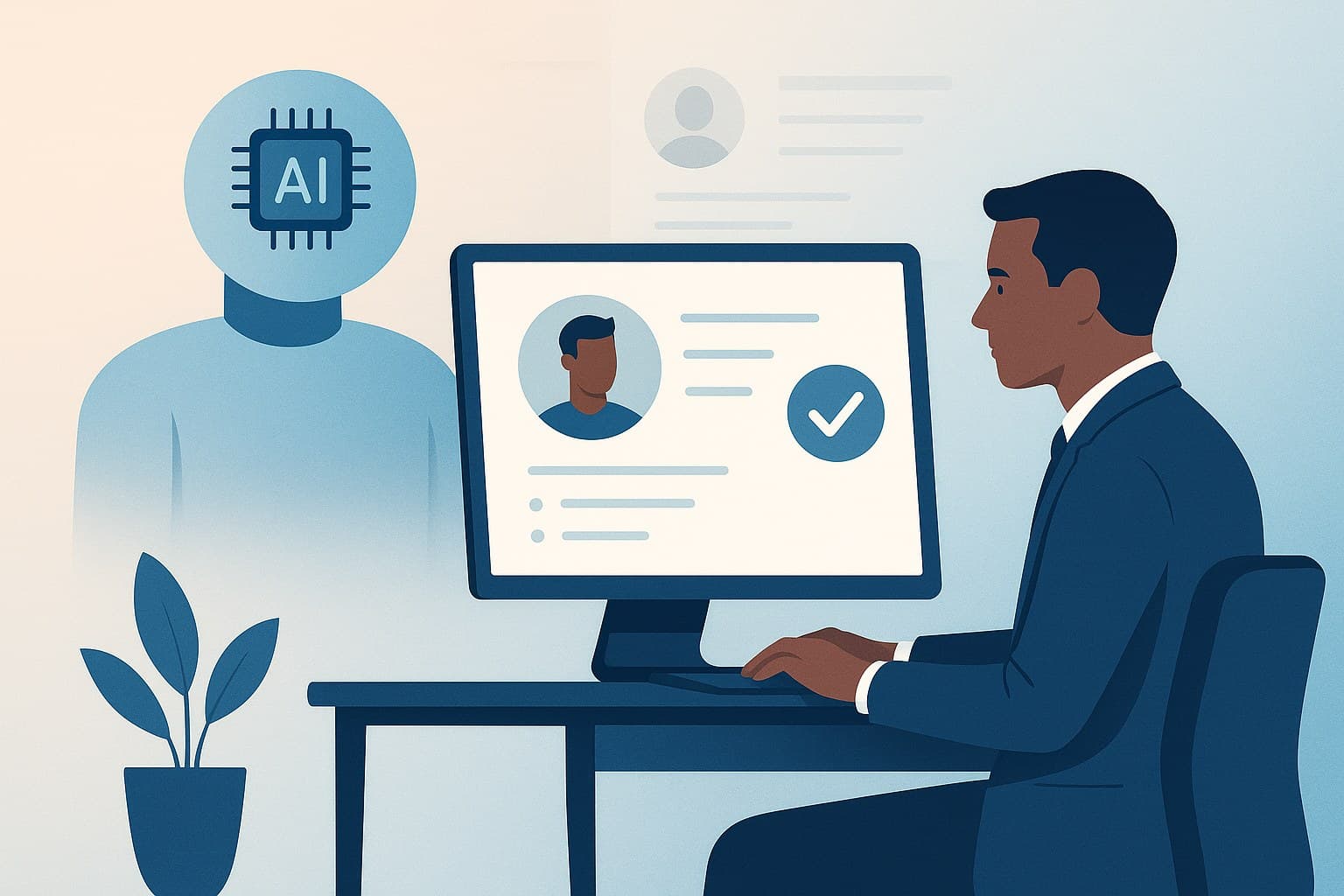
Comparing Campus Hiring Cost Models: AI vs. Traditional Agencies
In the competitive world of talent acquisition, businesses are constantly seeking the most efficient and cost-effective strategies to onboard the best talent. Campus hiring, which typically involves recruiting fresh graduates from universities, is a critical component of many organizations' talent acquisition strategies. Two predominant models for campus hiring are emerging: leveraging Artificial Intelligence (AI) tools and utilizing traditional recruitment agencies. This article aims to provide a comprehensive analysis of these two models, focusing on their cost implications and overall efficiency to aid HR leaders and corporate decision-makers in making informed choices.
Understanding Campus Hiring
Campus hiring involves engaging with universities and colleges to attract and recruit fresh graduates. This process can be complex, involving multiple steps such as employer branding, sourcing, interviewing, and onboarding. The goal is to identify and secure young talent who can bring fresh perspectives and skills to the organization. Traditionally, companies have relied on recruitment agencies to manage these processes, but with advancements in technology, AI-driven solutions are increasingly being adopted.
The Traditional Agency Model
Recruitment agencies have been the go-to solution for many companies due to their established networks and expertise in the hiring process. These agencies handle everything from sourcing candidates to conducting preliminary interviews and coordinating campus recruitment events. The cost structure for using agencies generally includes retainer fees, success fees (a percentage of the candidate's first-year salary), and sometimes additional charges for specific services such as employer branding or recruitment marketing.
Advantages of Traditional Agencies:
-
Expertise and Networks: Agencies have deep connections with educational institutions and understand the nuances of different campuses, including the quality of their graduates and specific programs.
-
Time-Saving: By outsourcing the recruitment process, HR teams can focus on other strategic activities. Agencies manage the logistics, negotiations, and initial screenings.
-
Reduced Internal Workload: Agencies often handle administrative tasks, reducing the burden on internal HR teams.
Challenges of Traditional Agencies:
-
High Costs: The fees charged by agencies can be substantial, especially for high-volume recruitment. Success fees can add up quickly, making this an expensive option.
-
Lack of Customization: Agencies may not fully align with a company's culture or specific needs, potentially leading to mismatches in candidate selection.
-
Dependency: Relying heavily on agencies can lead to a lack of in-house recruitment capability and knowledge.
The AI-Powered Model
AI in recruitment is transforming how companies approach campus hiring. AI tools can automate many aspects of the recruitment process, from sourcing and screening candidates to scheduling interviews and even conducting preliminary assessments. These systems use machine learning algorithms to analyze vast amounts of data, enabling more precise and efficient recruitment.
Advantages of AI in Campus Hiring:
-
Cost Efficiency: AI tools often require an initial investment, but they can significantly reduce long-term costs by automating labor-intensive processes. This eliminates the need for success fees associated with agencies.
-
Scalability: AI systems can handle large volumes of applications and data, making them ideal for high-volume campus recruitment.
-
Improved Candidate Matching: Through data analysis, AI can identify candidates who are the best fit for the organization, considering both skills and cultural fit.
-
Enhanced Candidate Experience: AI can streamline communication, providing timely updates to candidates and reducing the time taken to move from application to offer.
Challenges of AI in Campus Hiring:
-
Initial Setup and Training: Implementing AI solutions requires a significant upfront investment in technology and training for HR teams to effectively utilize these tools.
-
Data Privacy Concerns: AI systems handle a lot of data, raising concerns about candidate privacy and data security.
-
Dependence on Data Quality: The effectiveness of AI is heavily reliant on the quality of data fed into the system. Poor data can lead to inaccurate assessments and decisions.
Cost Comparison
When comparing the cost implications of AI versus agency hiring models, several factors need to be considered:
-
Initial Investment vs. Ongoing Costs: AI requires upfront costs related to software acquisition and training but offers lower ongoing costs. Agencies, on the other hand, have lower initial costs but higher ongoing fees with each hire.
-
Volume and Scale: For organizations that require a large number of recruits from campuses, AI provides economies of scale that agencies cannot match.
-
Long-term Value: Investing in AI can enhance the organization’s ability to recruit efficiently over time, offering long-term savings and increased recruitment capacity.
Strategic Considerations for Decision-Makers
For HR leaders and corporate decision-makers, the choice between AI and agency models should be guided by strategic priorities:
-
Assess Organizational Needs: Determine the volume of hires, the importance of speed, and the need for precision in candidate selection.
-
Evaluate Budget Constraints: Consider both short-term budget limits and long-term strategic investments.
-
Consider Cultural Fit: Ensure that the chosen model aligns with the company's culture and values, enhancing employer brand and candidate experience.
-
Plan for the Future: Consider scalability and the potential for technology to adapt to future recruitment needs.
Conclusion
As organizations strive to build competitive and innovative teams, making informed decisions about campus hiring models is crucial. While traditional agencies offer expertise and convenience, AI-driven solutions promise efficiency and cost-effectiveness. Ultimately, the choice between AI and agency models should align with the organization's strategic goals, budget, and long-term vision for talent acquisition. By carefully weighing the benefits and challenges of each approach, HR leaders can optimize their recruitment strategies to secure the best talent from the academic world.
Frequently Asked Questions
Key questions often raised by business leaders and HR teams:
What are the main advantages of using AI in campus hiring?
AI offers cost efficiency, scalability, and improved candidate matching, making the recruitment process faster and more effective.
Why do companies still use traditional recruitment agencies?
Traditional agencies provide expertise, established networks, and save time by managing the recruitment logistics for companies.
What are the challenges associated with AI in recruitment?
Challenges include the initial setup costs, data privacy concerns, and reliance on the quality of data for accurate assessments.
How do the costs of AI and traditional agencies compare?
AI requires a higher initial investment, but offers lower ongoing costs, while agencies have lower upfront costs but higher fees per hire.
What should HR leaders consider when choosing between AI and traditional agencies?
HR leaders should assess organizational needs, budget constraints, cultural fit, and future scalability when making their decision.