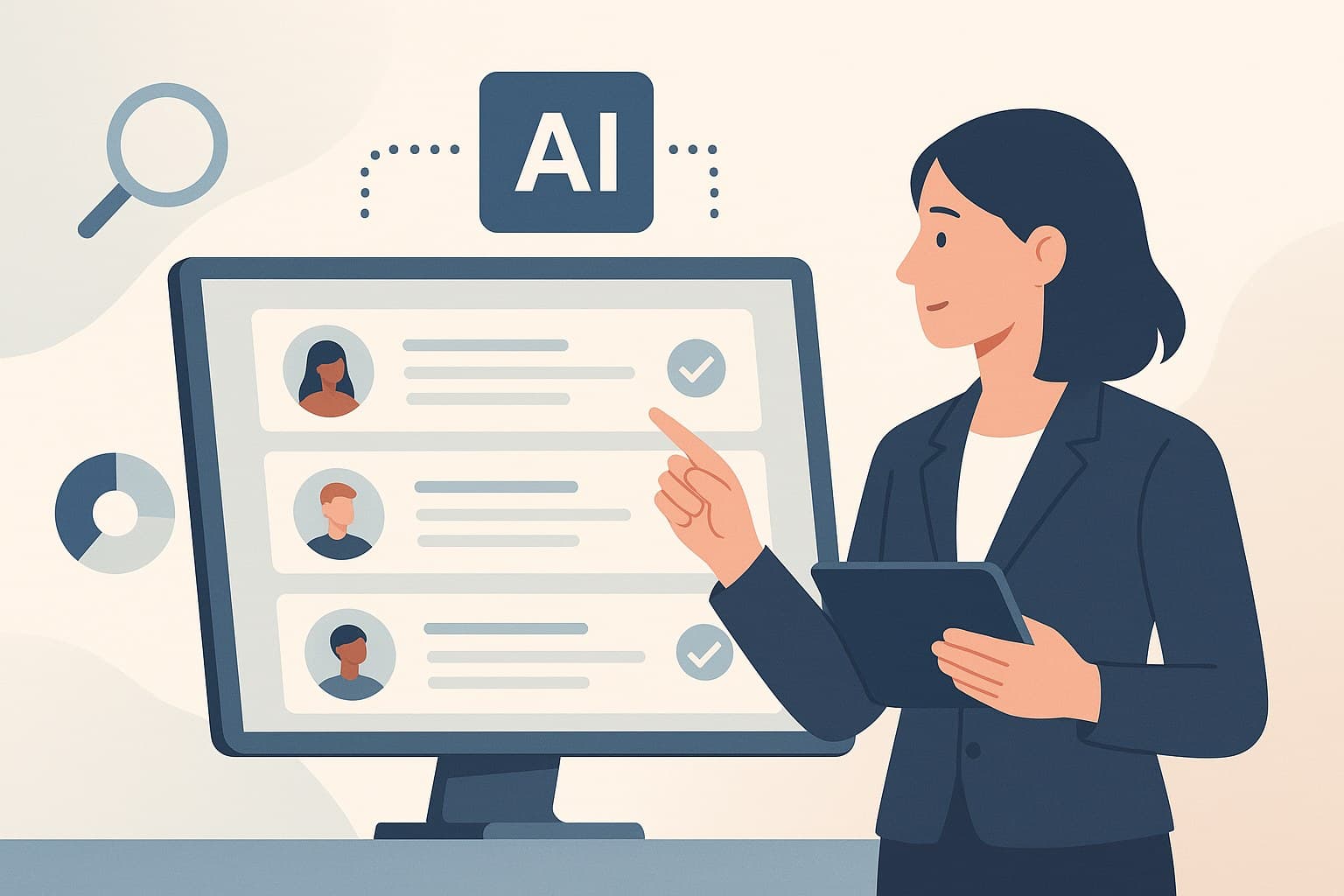
Anti-Spoofing AI Interviews: A Comprehensive Guide
In the digital age, the recruitment process has evolved significantly with the advent of Artificial Intelligence (AI). Among the most recent innovations are AI-driven interviews, which aim to streamline the hiring process by utilizing machine learning algorithms to assess candidates. However, with these advancements come new challenges, one of which is the risk of spoofing. This article delves into the concept of anti-spoofing in AI interviews, providing valuable insights and actionable takeaways for businesses navigating this new terrain.
Understanding AI-Driven Interviews
AI-driven interviews utilize machine learning algorithms to conduct and assess interviews with job candidates. These systems can analyze verbal and non-verbal cues, assess language proficiency, and evaluate personality traits. By leveraging AI, companies can expedite the recruitment process, reduce human biases, and ultimately make more informed hiring decisions.
Despite these benefits, AI interviews are not without their challenges. The primary concern is the potential for spoofing, where candidates manipulate or deceive the AI system to gain an unfair advantage. This necessitates the development and implementation of robust anti-spoofing measures.
What is Spoofing in AI Interviews?
Spoofing in AI interviews refers to the manipulation of AI systems by candidates to influence the outcome of the interview. This can be achieved through various methods such as deepfake technology, voice alteration, or even feeding scripted responses to the AI. The intention is to deceive the AI into perceiving the candidate more favorably, thereby skewing the results of the interview process.
Examples of Spoofing Techniques
- Deepfakes: Utilizing advanced deepfake technology to alter facial expressions or replace one's face with another, misleading the AI's facial recognition systems.
- Voice Modulation: Changing voice pitch or accent to manipulate AI algorithms that assess verbal communication skills.
- Scripted Responses: Pre-programming responses that are delivered in a way that aligns perfectly with AI's scoring algorithms.
The Importance of Anti-Spoofing Measures
The integrity of AI-driven interviews is paramount for businesses that rely on these technologies for hiring. Spoofing not only undermines this integrity but also poses significant risks, including poor hiring decisions, increased turnover rates, and damage to a company's reputation. Therefore, implementing anti-spoofing measures is essential for maintaining the credibility of the AI interview process.
Concrete Insights and Data Points
- A 2022 survey by Gartner found that 60% of HR leaders are concerned about AI interview spoofing, with 35% having experienced some form of AI manipulation during the hiring process.
- Research by Forrester indicates that companies using advanced anti-spoofing technologies saw a 25% improvement in the accuracy of their AI-driven recruitment assessments.
Anti-Spoofing Technologies and Strategies
To safeguard the AI interview process, businesses can deploy various anti-spoofing technologies and strategies. Here are some of the most effective methods:
1. Multi-Factor Authentication
Implementing multi-factor authentication (MFA) can significantly enhance security. By requiring additional verification steps, such as biometric data or unique codes, companies can ensure that the person undergoing the interview is indeed the candidate in question.
2. Advanced Biometric Analysis
Utilizing advanced biometric technologies can help detect anomalies in facial recognition and voice patterns. These systems are designed to identify subtle inconsistencies that may suggest spoofing attempts, such as unnatural facial movements or pitch alterations.
3. Continuous Monitoring
Continuous monitoring during interviews can help identify suspicious behaviors in real-time. AI systems equipped with anomaly detection algorithms can flag irregular activities, triggering further investigation or validation processes.
4. Behavioral Analysis
Behavioral analysis algorithms can assess candidates' responses and actions throughout the interview for authenticity. By examining response patterns, pause durations, and emotional consistency, these systems can detect scripted or unnatural responses.
5. Regular System Updates
Keeping AI systems updated with the latest security patches and enhancements is crucial for defending against evolving spoofing techniques. Regular updates ensure that AI algorithms remain robust against new threats.
Actionable B2B Takeaways
For businesses looking to leverage AI-driven interviews while mitigating the risk of spoofing, here are some actionable takeaways:
Invest in Robust Anti-Spoofing Technologies
Investing in sophisticated anti-spoofing technologies is essential for protecting the integrity of AI interviews. Consider partnering with AI vendors that prioritize security and offer comprehensive anti-spoofing solutions.
Train HR Teams
Equip HR teams with the knowledge and skills necessary to identify and address potential spoofing incidents. Regular training sessions can help foster a culture of awareness and vigilance.
Implement a Layered Security Approach
Adopt a multi-layered security strategy that combines various anti-spoofing measures. This approach minimizes the risk of manipulation by addressing multiple potential vulnerabilities simultaneously.
Conduct Regular Audits
Perform regular audits of AI interview systems to assess their effectiveness and identify areas for improvement. These audits can help ensure that the latest anti-spoofing technologies are in place and functioning as intended.
Foster a Culture of Transparency
Encourage transparency within the hiring process by clearly communicating the use of AI-driven interviews and the measures in place to prevent spoofing. This transparency can deter potential spoofing attempts and reassure candidates of the fairness of the process.
Conclusion
As AI-driven interviews become increasingly prevalent, the need for robust anti-spoofing measures has never been more critical. By understanding the risks associated with spoofing and implementing effective countermeasures, businesses can protect the integrity of their recruitment processes and make more reliable hiring decisions. Investing in advanced technologies, training HR teams, and adopting a layered security approach are essential steps in navigating this new frontier in recruitment.
In the rapidly evolving landscape of AI and recruitment, staying informed and proactive is key. By prioritizing anti-spoofing measures, businesses can not only safeguard their AI interview processes but also gain a competitive edge in attracting and retaining top talent.
Frequently Asked Questions
Key questions often raised by business leaders and HR teams:
What is spoofing in AI interviews?
Spoofing in AI interviews refers to candidates manipulating the AI system to influence their interview results, often using techniques like deepfakes or voice modulation.
Why are anti-spoofing measures important?
Anti-spoofing measures are crucial for maintaining the integrity of AI-driven interviews, helping to ensure fair hiring practices and protect company reputation.
What are some effective anti-spoofing technologies?
Effective anti-spoofing technologies include multi-factor authentication, advanced biometric analysis, and continuous monitoring during interviews.
How can businesses train their HR teams against spoofing?
Businesses can train HR teams by providing regular training sessions focused on identifying and addressing potential spoofing incidents.
What should companies do to ensure their AI systems are secure?
Companies should conduct regular audits of their AI interview systems and keep them updated with the latest security patches to defend against evolving spoofing techniques.