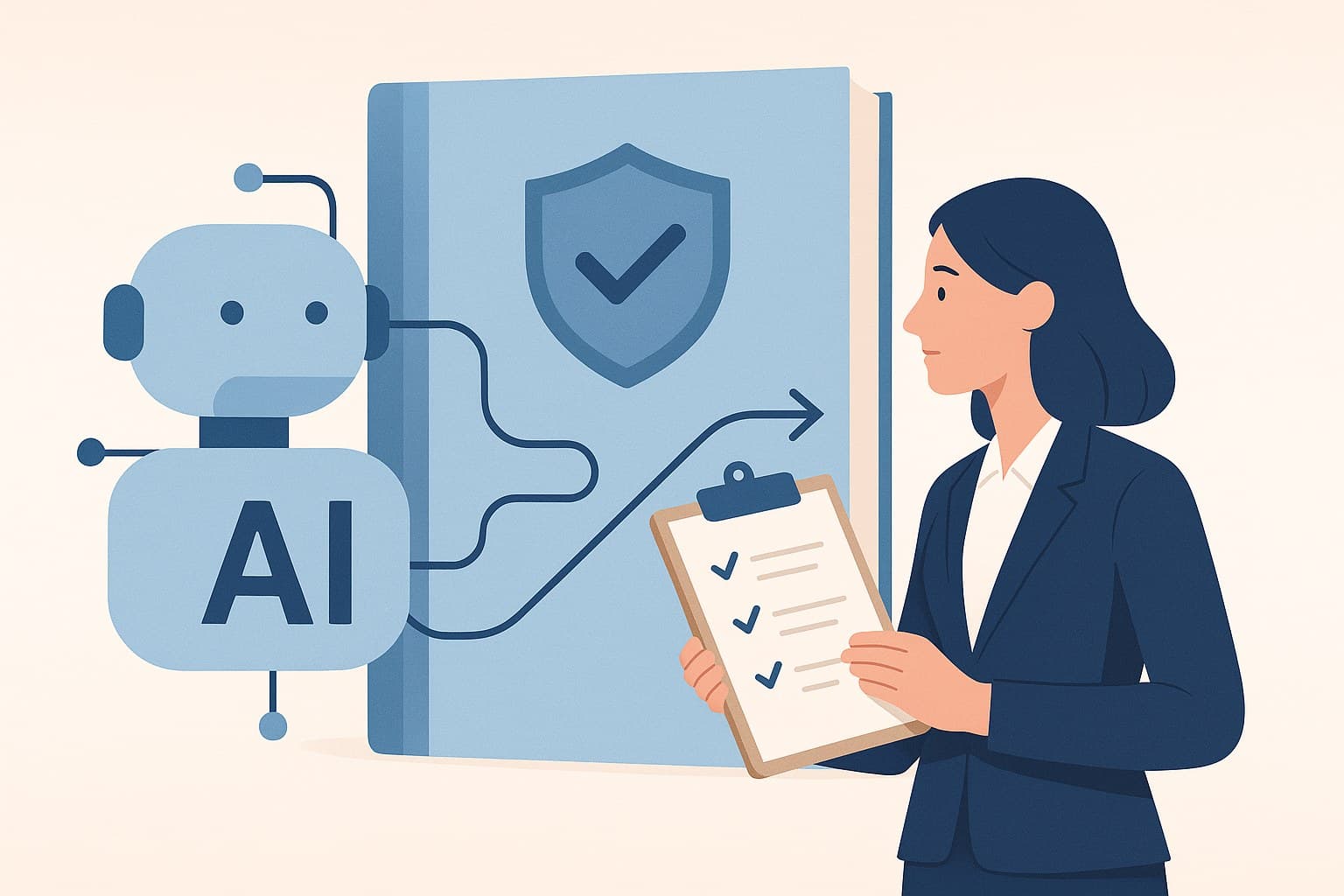
Understanding Assessment Tests in Selection Interviews
In today's competitive job market, assessment tests are becoming integral to selection interviews, providing employers with deeper insights into candidates' capabilities. These tests can determine whether you secure the job of your dreams or continue your search. Knowing what to expect and how to prepare can give you a significant advantage.
Why Assessment Tests Matter in Selection Interviews
Assessment tests play a critical role in the hiring process. They help employers gauge a candidate's aptitude, skills, and personality traits beyond what a resume or interview might reveal. This is essential because a candidate with the right credentials might not always fit the company culture or possess the necessary soft skills. These tests aim to ensure a good match between the candidate and the job requirements, ultimately leading to better job performance and satisfaction.
For job seekers, understanding the significance of these tests is crucial. They are a tool that can either open doors or become a hurdle if not approached thoughtfully. Recognizing their importance allows candidates to prepare adequately, thereby increasing their chances of success.
Common Types of Assessment Tests
Different types of assessment tests are used, each serving a specific purpose. The most common ones include aptitude tests, personality tests, skills tests, and cognitive ability tests. Each type assesses different aspects of a candidate's profile:
-
Aptitude Tests: These evaluate logical reasoning, problem-solving abilities, and the capacity to understand complex concepts. They are often used for positions that require analytical thinking.
-
Personality Tests: These assess various personality traits and how they align with the company's culture. They help determine if a candidate's behavior and motivations suit the job environment.
-
Skills Tests: These focus on specific skills related to the job, such as typing speed, software proficiency, or technical knowledge. They provide a clear picture of a candidate's practical abilities.
-
Cognitive Ability Tests: These measure general intelligence, including memory, attention, and verbal and numerical skills. They are indicative of a candidate's potential to learn and adapt.
Understanding these tests and their purposes can help you tailor your preparation and excel during the assessment phase of the interview process.
Preparing for Assessment Tests
Preparation is key to performing well in assessment tests. Here are some strategies to help you prepare:
-
Research the Company and Role: Understanding the company culture and job requirements can give you insights into what the assessment tests might focus on.
-
Practice with Sample Tests: Many online resources offer practice tests. Familiarizing yourself with the format and types of questions can alleviate test anxiety and improve your performance.
-
Develop Test-Taking Strategies: Time management is crucial during assessments. Practice answering questions quickly and accurately to improve your efficiency.
-
Focus on Weak Areas: Identify your weaknesses through practice tests and work on improving them. This targeted approach can significantly boost your overall score.
Preparation not only increases your confidence but also enhances your ability to perform under pressure, improving your chances of success.
Common Challenges and How to Overcome Them
Assessment tests can be daunting, and candidates often face several challenges. The most common issues include test anxiety, time constraints, and unfamiliarity with the test format. Here's how to tackle these challenges:
-
Test Anxiety: Anxiety can impair your performance. Practice relaxation techniques such as deep breathing or meditation to calm your nerves before the test.
-
Time Constraints: Practice pacing yourself to ensure you have enough time to answer all questions. Start with the questions you find easiest to build confidence and momentum.
-
Unfamiliar Test Formats: Familiarize yourself with different test formats through practice tests. Understanding the structure and types of questions can help you navigate the test more effectively.
By addressing these challenges head-on, you can improve your test performance and increase your chances of making a positive impression on potential employers.
Anonymous Scenarios and Common Pitfalls
Imagine a hiring manager at a mid-size tech firm who relies heavily on assessment tests to identify candidates with the right mix of technical and interpersonal skills. Candidates often fall into common pitfalls, such as overconfidence or underestimating the complexity of the tests.
One scenario involved a candidate who excelled in technical skills but struggled with the personality test, revealing a potential mismatch with the company's collaborative culture. This highlights the importance of being well-rounded and understanding the role's demands beyond technical expertise.
Avoiding such pitfalls involves thorough preparation and honest self-assessment. Candidates should strive to present a balanced profile that demonstrates both technical competence and cultural fit.
Conclusion
Assessment tests in selection interviews are a gateway to your career aspirations. Understanding their importance, types, and preparation strategies can make a significant difference in how you perform. By addressing common challenges and learning from anonymous scenarios, you can navigate these tests confidently and improve your chances of landing the job.
Are you ready to face the challenge of assessment tests and showcase your true potential to employers? Consider what steps you will take to ensure you stand out in your next interview.
Frequently Asked Questions
Key questions often raised by business leaders and HR teams:
What are assessment tests?
Assessment tests are tools used during selection interviews to evaluate a candidate's skills, personality, and aptitude beyond their resume.
How can I prepare for assessment tests?
You can prepare by researching the company, practicing with sample tests, and focusing on your weak areas to improve your performance.
What types of assessment tests are commonly used?
Common types include aptitude tests, personality tests, skills tests, and cognitive ability tests, each serving a specific purpose in evaluating candidates.
How can I overcome test anxiety?
Practicing relaxation techniques like deep breathing or meditation can help calm your nerves before the test.
Why are assessment tests important?
They help ensure a good match between candidates and job requirements, leading to better job performance and satisfaction.