Title: Understanding the Cost Model of Asynchronous AI Interviews: A Guide for Business Decision-Makers and HR Leaders
In the rapidly evolving landscape of talent acquisition, businesses are constantly seeking innovative solutions to streamline their recruitment processes and enhance the quality of hires. One such advancement that has gained significant traction is the use of asynchronous AI interviews. This article aims to provide business decision-makers and HR leaders with a comprehensive understanding of the cost model associated with these AI-driven tools, helping them make informed decisions about integrating this technology into their hiring processes.
The Rise of Asynchronous AI Interviews
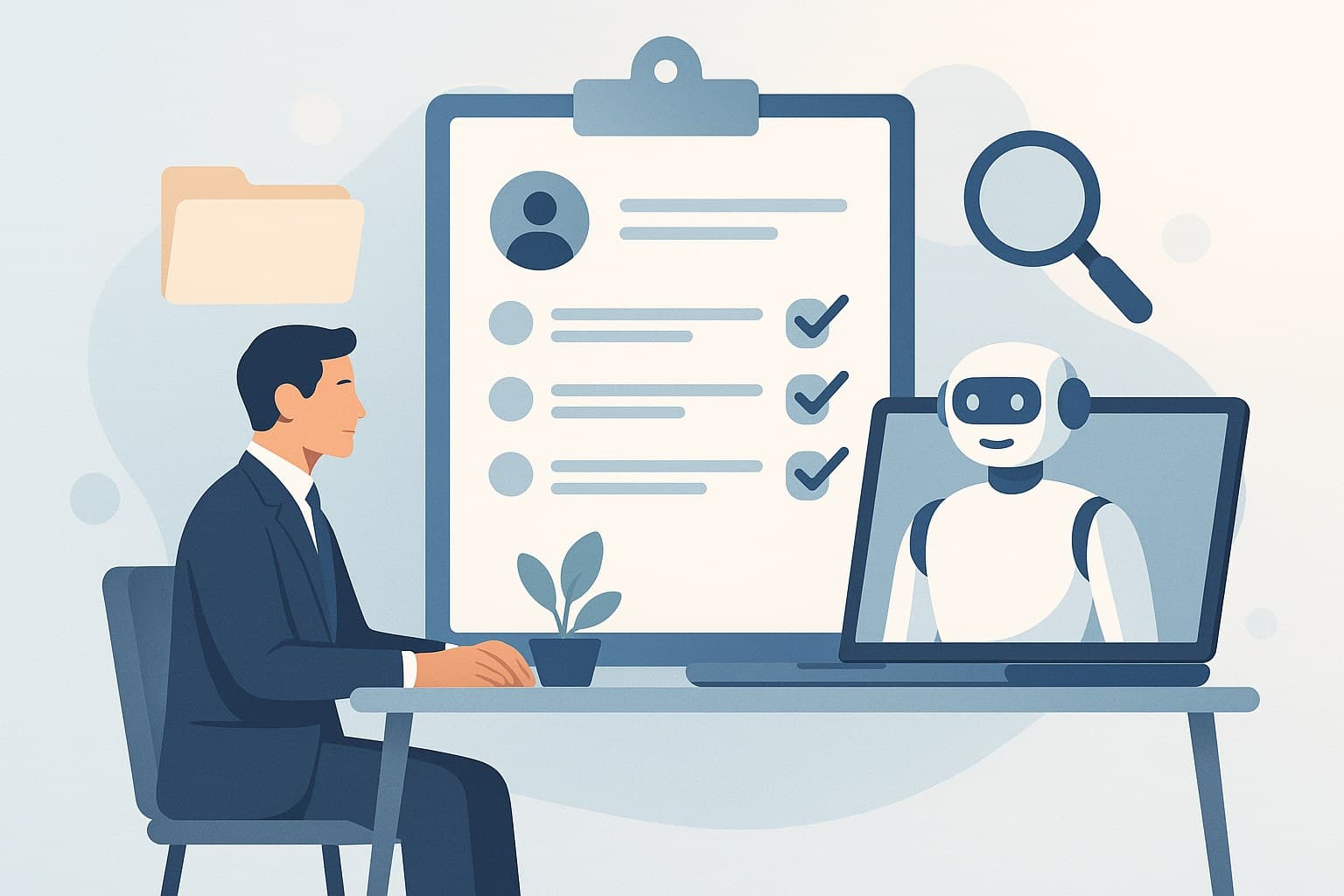
Traditional interview methods, while reliable, often come with logistical challenges and time constraints. Asynchronous AI interviews offer a modern solution, allowing candidates to record their responses to pre-set questions at their convenience. These responses are then analyzed by AI algorithms to assess various competencies, providing recruiters with valuable insights without the need for real-time interaction.
Components of the Cost Model
When evaluating the cost model of asynchronous AI interviews, it is essential to consider several key components:
-
Initial Setup Costs:
- Software Licensing: Implementing an asynchronous AI interview platform involves acquiring a software license, which can vary significantly depending on the provider and the features offered.
- Customization and Integration: Tailoring the AI platform to align with the company’s specific requirements may incur additional costs. This includes integrating the software with existing HR systems and customizing interview questions to reflect the company’s culture and job roles.
-
Operational Costs:
- Subscription Fees: Many AI interview platforms operate on a subscription model, charging businesses on a monthly or annual basis. Subscription fees often depend on the number of users or the volume of interviews conducted.
- Maintenance and Support: Ongoing technical support and software updates are crucial to ensure the platform functions optimally. These services are typically included in the subscription but may also come as separate charges.
-
Training and Onboarding:
- Employee Training: HR teams and hiring managers will require training to effectively use the AI platform. Training sessions can incur additional costs, particularly if they involve personalized, in-depth instruction.
- Candidate Onboarding: While the platform is designed to be user-friendly, some candidates may require guidance to navigate the interview process, necessitating resources for candidate support.
-
Data Management and Security:
- Data Storage: Storing interview data securely is a critical component of the cost model. Providers may charge for data storage, especially if large volumes of video content are involved.
- Compliance and Security Measures: Ensuring the platform complies with data protection regulations (such as GDPR) may involve additional expenses related to security audits and legal consultations.
Evaluating the Return on Investment (ROI)
Despite the costs associated with asynchronous AI interviews, the potential return on investment can be substantial. HR leaders should consider the following benefits when evaluating ROI:
- Efficiency Gains: By automating the initial stages of the interview process, businesses can save considerable time and resources, allowing HR teams to focus on higher-value tasks.
- Enhanced Candidate Experience: Flexibility in scheduling and a streamlined interview process can significantly improve the candidate experience, enhancing the company's employer brand.
- Improved Quality of Hire: AI-driven analyses provide objective insights into candidate competencies, helping recruiters make more informed hiring decisions and potentially improving the overall quality of hires.
- Scalability: Asynchronous AI interviews are particularly beneficial for companies experiencing rapid growth, as they can easily scale the interview process to accommodate a larger applicant pool.
Strategic Considerations for Implementation
To maximize the benefits of asynchronous AI interviews, HR leaders should consider the following strategic aspects:
- Vendor Selection: Choosing the right vendor is crucial. Decision-makers should evaluate potential vendors based on their track record, technological capabilities, and customer support.
- Change Management: Implementing new technology requires careful change management to ensure smooth adoption within the organization. Clear communication and addressing employee concerns are vital components of this process.
- Ethical Considerations: As with any AI application, ethical considerations must be addressed. Ensuring transparency in how AI decisions are made and maintaining a commitment to unbiased hiring practices are essential.
Conclusion
Asynchronous AI interviews represent a significant step forward in modernizing the recruitment process. While the cost model involves various components, the potential benefits in terms of efficiency, candidate experience, and quality of hire make it a worthwhile investment for many organizations. By understanding and strategically managing these costs, business decision-makers and HR leaders can harness the full potential of AI technology to drive their recruitment efforts forward.
In the competitive landscape of talent acquisition, embracing innovative solutions like asynchronous AI interviews can position companies at the forefront of attracting and retaining top talent. With careful planning and execution, this technology can become a cornerstone of a successful, future-ready recruitment strategy.
Frequently Asked Questions
Key questions often raised by business leaders and HR teams:
What are asynchronous AI interviews?
Asynchronous AI interviews allow candidates to record their responses to questions at their convenience, which are then analyzed by AI for recruitment insights.
What are the initial costs associated with asynchronous AI interviews?
Initial costs include software licensing, customization, and integration with existing HR systems.
How can asynchronous AI interviews improve the hiring process?
They enhance efficiency, improve candidate experience, and provide objective insights, leading to better hiring decisions.
What ongoing costs should businesses expect?
Businesses should budget for subscription fees, maintenance, support, and potential training for HR teams.
Why is vendor selection important for AI interview platforms?
Choosing the right vendor ensures you have the necessary support, technology, and features tailored to your recruitment needs.